Check out my new blog on Substack!

Dear readers:

It’s a been while since I’ve posted on this website. One reason is that Elizabeth and I have been traveling a lot since last September. We sold our home in the Washington DC suburb of Vienna, Virginia, a year ago, and since last fall we’ve been on the move visiting family and seeing sights across the United States and abroad.

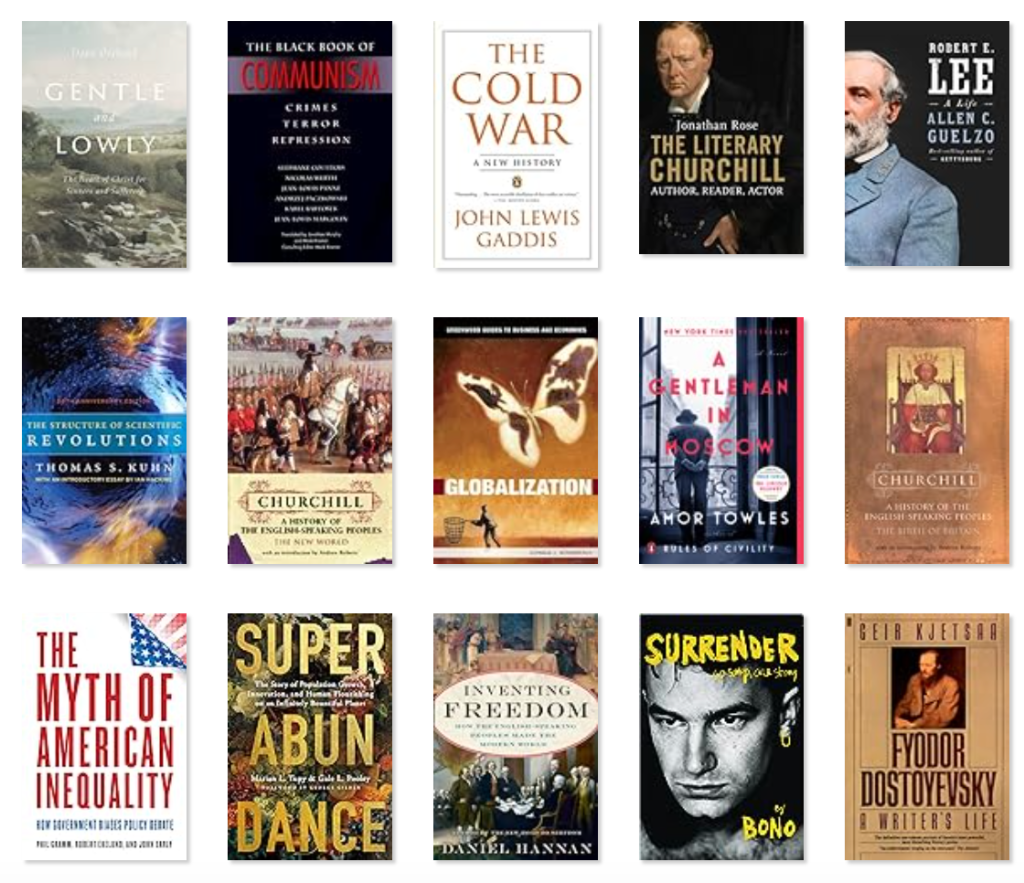
Another reason I haven’t posted lately is that I’ve established a new blog site on Substack, which I’ve cleverly titled “Daniel’s Substack.” (See a fresh screenshot of the page below.) Substack has become a popular blogging platform for discussing big and controversial topics. We’ve explored plenty of meaty subjects on this website, but it’s a bit of an island in cyberspace, while my blog site on Substack is more of a storefront in a bustling and growing city with a lot more foot traffic.
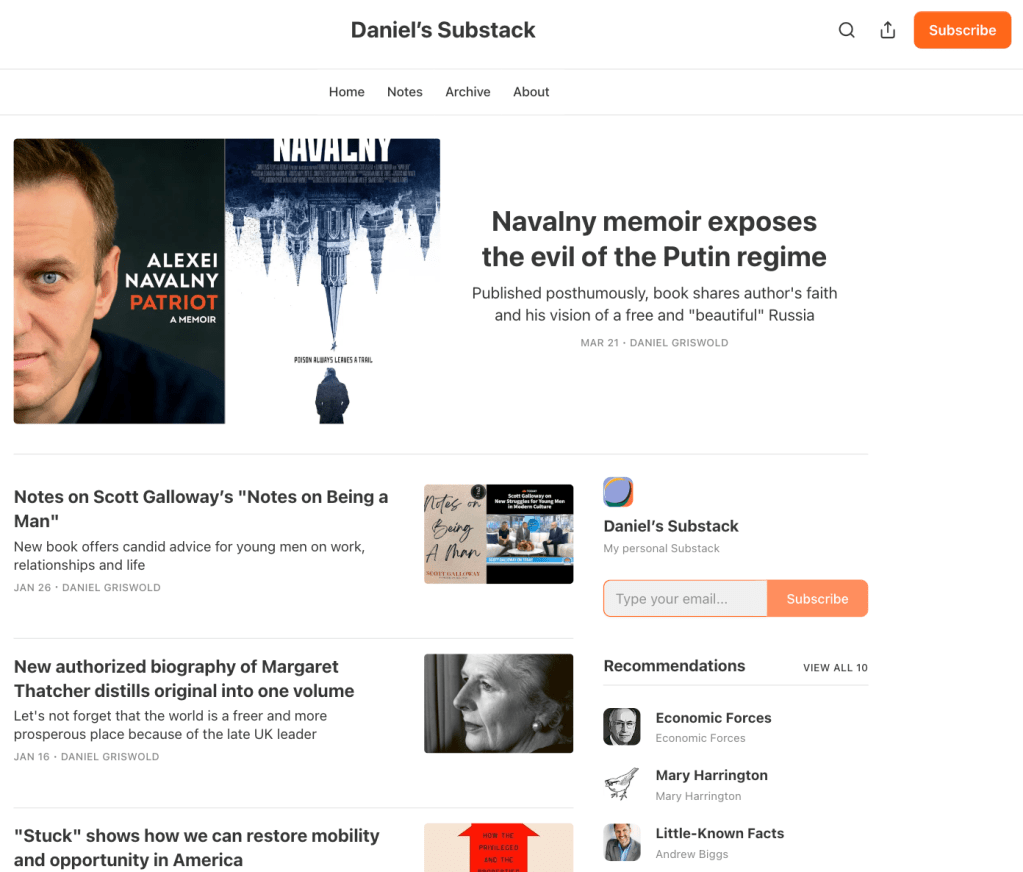
If you haven’t already, please check out the recent posts on my Substack site–and please click the free “Subscribe” button. Here are a few offerings on the site that may pique your interest:

Last week I shared my thoughts about the book Patriot, the posthumous memoir by the Russian opposition figure Alexei Navalny, who was imprisoned and murdered for exposing corruption in the Putin government. As I note, “The corruption in Russia emanates from the very top. Besides wielding unchecked power over a huge population and land mass, Putin has used that power to indulge his desires for wealth and other pleasures.”

In another post, I discuss the recent book Notes on Being a Man, by business professor Scott Galloway. While I quibble with a few minor points, I find a lot of wisdom in the author’s observations about why so many young men today are struggling. He tackles the hot-button issues of social media, relationships, sex and pornography, and marriage and monogamy. Among my observations, “Galloway dismisses the notion that being a male is a social construct assigned at birth. Manhood is a physical reality driven by genes and testosterone. We should embrace this biological fact, not deny it.”

The last post I’ll highlight is “My failed effort to reform the real-estate industry.” It tells my personal story of how little has changed despite the multi-million dollar settlement against the industry over stubbornly high commissions for both buyer and seller agents. As I concluded, “In today’s real estate market, despite the big settlement, you can come to any arrangement you want when buying or selling a home–as long as you pay the buyer’s agent an non-negotiable 2.5 percent!”

In coming weeks and months, I plan to post about other topical books I’m reading, a potential follow-up to the real-estate blog when we get around to buying a house in our new home of Colorado Springs, and my keen interest in the nexus between political economy and religion, or what you could call the moral underpinnings of our market democracy. All that and more is in the mental pipeline!

Please stay subscribed to my WordPress site, “Daniel Griswold’s Blog,” where I plan to keep posting about our travels and other more personal subjects. But please also check out and subscribe to my new Substack blog. I would love to see you come in the front door for an engaging discussion!
Books I’m glad I read in 2023

In the past year, I managed to read 40 books. Being retired from paid employment, I have the time as well as the desire to travel in my mind to places I haven’t been before, or to explore familiar topics in more detail. I’m a plodding reader, so I need to put in extra time to read this many books. That also means I need to be choosy about what I read—no airport crime thrillers on my list! I was also a lazy student as a kid and an undisciplined reader for many years as an adult, so I’m also playing catch up by reading books that I assume every literate person has already read.

National Review’s founder William F. Buckley Jr. didn’t get around to reading Herman Melville’s Moby Dick until he was 50 years old. After finishing the book, he reportedly told his friends, “To think I might have died without having read it.” One of my goals in retirement is to read as many of those kinds of books as possible before God calls me home.

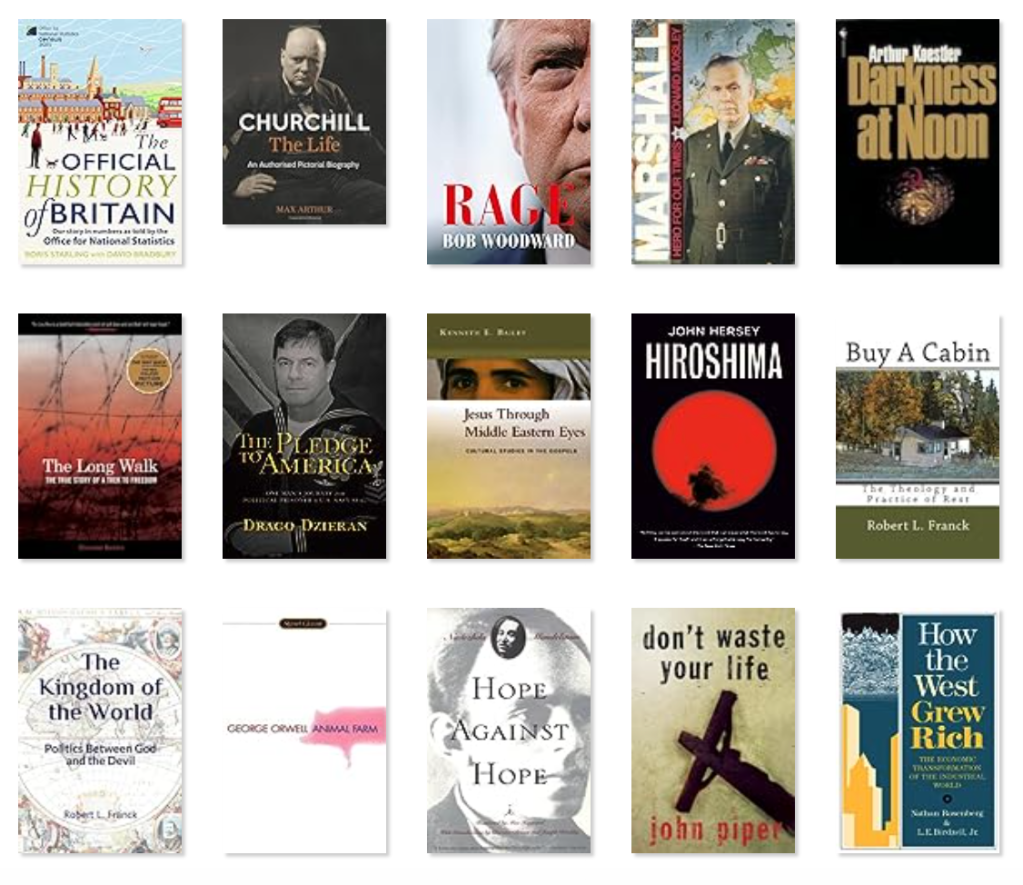
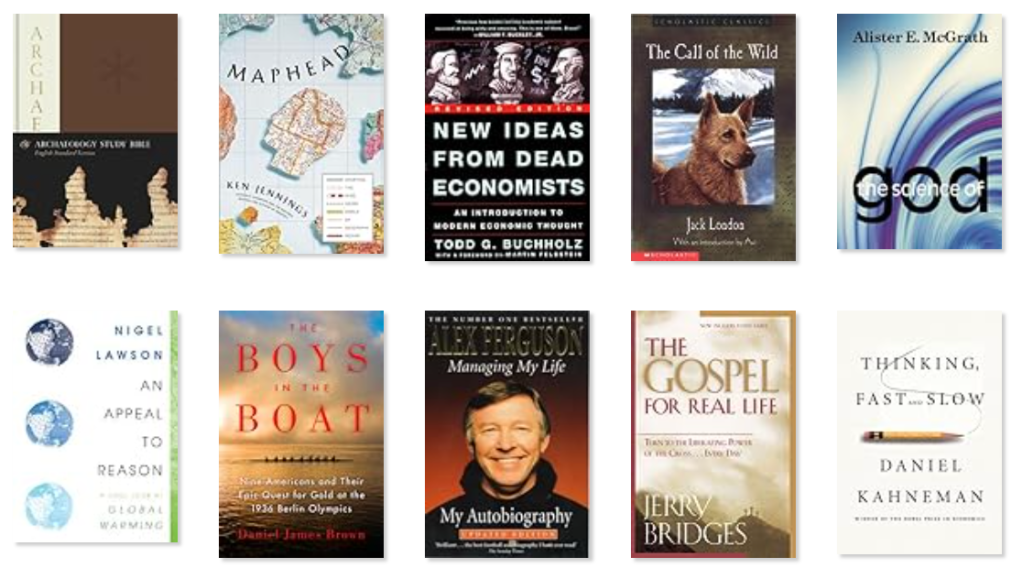
I’ll attach a full list below of the books I read last year, but among my favorites were:

The Boys in the Boat: Nine Americans and Their Epic Quest for Gold at the 1936 Berlin Olympics by Daniel James Brown. This was a great personal story about young men growing up in the Northwest in a time of the Great Depression and the rise of the Nazi regime in Germany. It was also a story about the highest form of training and teamwork.

Hope Against Hope by Nadezhda Mandelstam. A friend in college first brought this book to my attention, and now more than 40 years later I finally got around to reading it, and I’m so glad I did. It’s a moving personal story of a literary couple whose life together was destroyed by Stalin’s purges of the 1930s. The Soviet system turned these peaceful, generous, cultured people into hunted animals. Along the way, I met people who showed courage and kindness in helping them survive, including Boris Pasternak. I’ll never forget the image at the end of the book of Osip Mandelstham’s naked and frozen body thrown into a mass grave outside the transit camp near Vladivostok. This is how the communist regime treated the man considered to be Russia’s greatest poet of the 20th century.

A Gentleman in Moscow by Amor Towles. A great story with lots of sympathetic characters, told against the backdrop of Stalin’s Russia.

Jesus Through Middle Eastern Eyes: Cultural Studies in the Gospels by Kenneth E. Bailey. A Christian friend has recommended this book to me for a decade or two. I’m glad I finally read it. It gave me a deeper understanding of just how radical the message of Jesus was on the role of women in society and how we should treat the poor and the outcast.

The Structure of Scientific Revolutions by Thomas S. Kuhn. Another classic that I’m glad I finally read. Science does not progress in linier fashion, but instead undergoes periodic revolutions in thinking. The book helped me see that scientists are people like the rest of us, prone to group-think and slow to embrace challenges to conventional thinking.

Books read in 2023 by category:

History and Biography (19)

The Boys in the Boat: Nine Americans and Their Epic Quest for Gold at the 1936 Berlin Olympics by Daniel James Brown

Hope Against Hope by Nadezhda Mandelstam

Fyodor Dostoyevsky: A Writer’s Life by Geir Kjetsaa

Hiroshima by John Hersey

How the West Grew Rich: The Economic Transformation of The Industrial World by Nathan Rosenberg and L.E. Birdzell Jr.

The Black Book of Communism: Crimes, Terror, Repression by Stéphane Courtois, Andrzej Paczkowski and Karel Bartosek

The Cold War: A New History by John Lewis Gaddis

Managing My Life: My Autobiography by Alex Ferguson

Inventing Freedom: How the English-Speaking Peoples Made the Modern World by Daniel Hannan

Churchill: The Life by Max Arthur

The Literary Churchill: Author, Reader, Actor by Jonathan Rose

The New World (A History of the English Speaking Peoples, #2) by Winston S. Churchill

The Birth of Britain (A History of the English Speaking Peoples, #1) by Winston S. Churchill

The Official History of Britain: Our Story in Numbers as Told by the Office for National Statistics by Boris Starling and David Bradbury

Marshall: Hero for Our Times by Leonard Mosley

The Pledge to America: One Man’s Journey from Political Prisoner to U.S. Navy SEAL by Drago Dzieran

Robert E. Lee: A Life by Allen C. Guelzo

Surrender: 40 Songs, One Story by Bono

Long Walk: The True Story of a Trek to Freedom by Sławomir Rawicz

Literature and Art (4)

A Gentleman in Moscow by Amor Towles

The Call of the Wild by Jack London

Darkness at Noon by Arthur Koestler

Animal Farm by George Orwell

Current Affairs (6)

An Appeal to Reason: A Cool Look at Global Warming by Nigel Lawson

Globalization by Donald J. Boudreaux

The Myth of American Inequality: How Government Biases Policy Debate by Phil Gramm, Robert Ekelund and John Early

Superabundance: The Story of Population Growth, Innovation, and Human Flourishing on an Infinitely Bountiful Planet by Marian L. Tupy and Gale L. Pooley

New Ideas from Dead Economists: An Introduction to Modern Economic Thought by Todd G. Buchholz

Rage by Bob Woodward

Religion (8)

ESV Archaeology Study Bible

Jesus Through Middle Eastern Eyes: Cultural Studies in the Gospels by Kenneth E. Bailey

The Gospel for Real Life: Turn to the Liberating Power of the Cross… Every Day by Jerry Bridges

Buy A Cabin: The Theology and Practice of Rest by Robert L. Franck

The Kingdom of the World: Politics Between God and the Devil by Robert L. Franck

The Science of God by Alister McGrath

Don’t Waste Your Life by John Piper

Gentle and Lowly: The Heart of Christ for Sinners and Sufferers by Dane C. Ortlund

Science (3)

The Structure of Scientific Revolutions by Thomas S. Kuhn

Thinking, Fast and Slow by Daniel Kahneman

Maphead: Charting the Wide, Weird World of Geography Wonks by Ken Jennings