One of the organizing principles of our RV trip around the country this year was visiting as many national parks as we could. We love the outdoors, and one of my passions is hiking to beautiful spots. I collected national park brochures along the way like a big game hunter collecting mounted trophies.
In the course of our eight-month, 10,500-mile journey, we visited 22 national parks. I’ve blogged in more detail about each of them, but I thought it would be useful to list the parks here and briefly note the highlights of each, with links to the relevant blog posts I wrote at the time of our visit.
Our trip reminded me that our national park system is a treasure. Ken Burns went a step too far in saying the parks are “America’s best idea.” I would assign that honor to limited, constitutional government and the guarantee of individual rights. But national parks were a very good idea, and I’m grateful for the foresight that was exercised to preserve these places for the public’s enjoyment. We found the park facilities generally well run and park service employees helpful and usually friendly, although the facilities were often stricter about COVID rules than society in general.
Since we’ve been asked a few times what were our favorite national parks of those we visited, I’ll organize the list below starting with the parks that were the most awesome down to those that were merely interesting to visit.
At the top of the list:
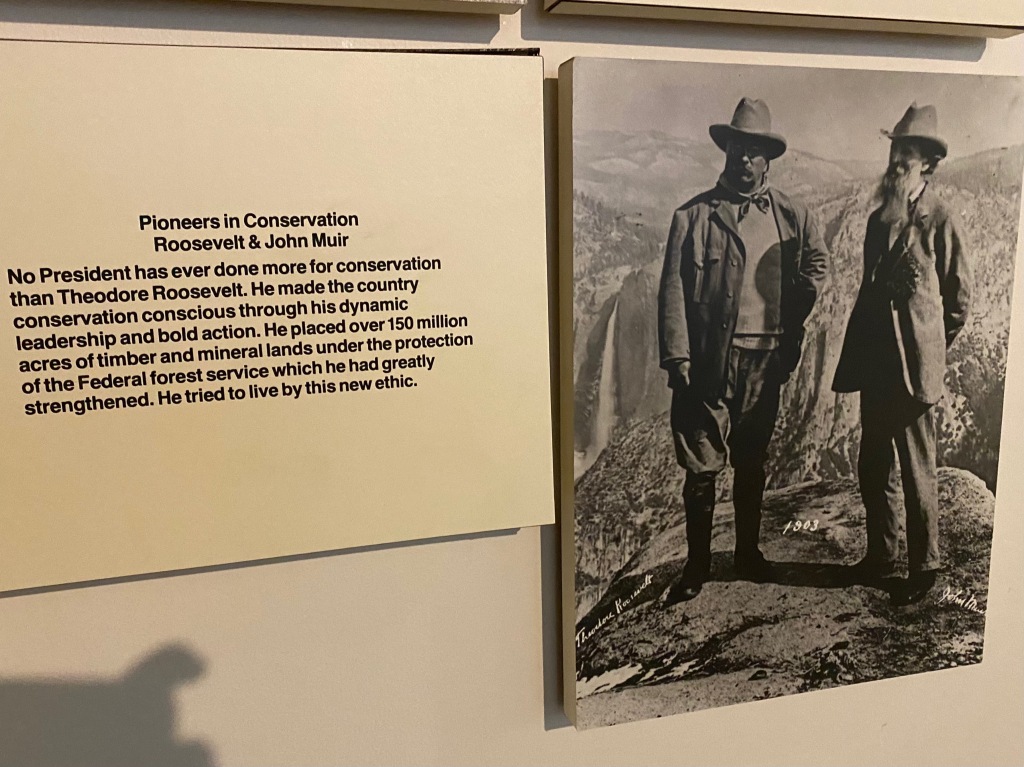
Yosemite (California). Top sights were the water falls and the views from the valley and the rim. See “Hiking to the top of Upper Yosemite Falls.” and “A final misty hike.”
Yellowstone (Wyoming). We saw Old Faithful, hot springs, and lots of wildlife. See “Camping near bison.”
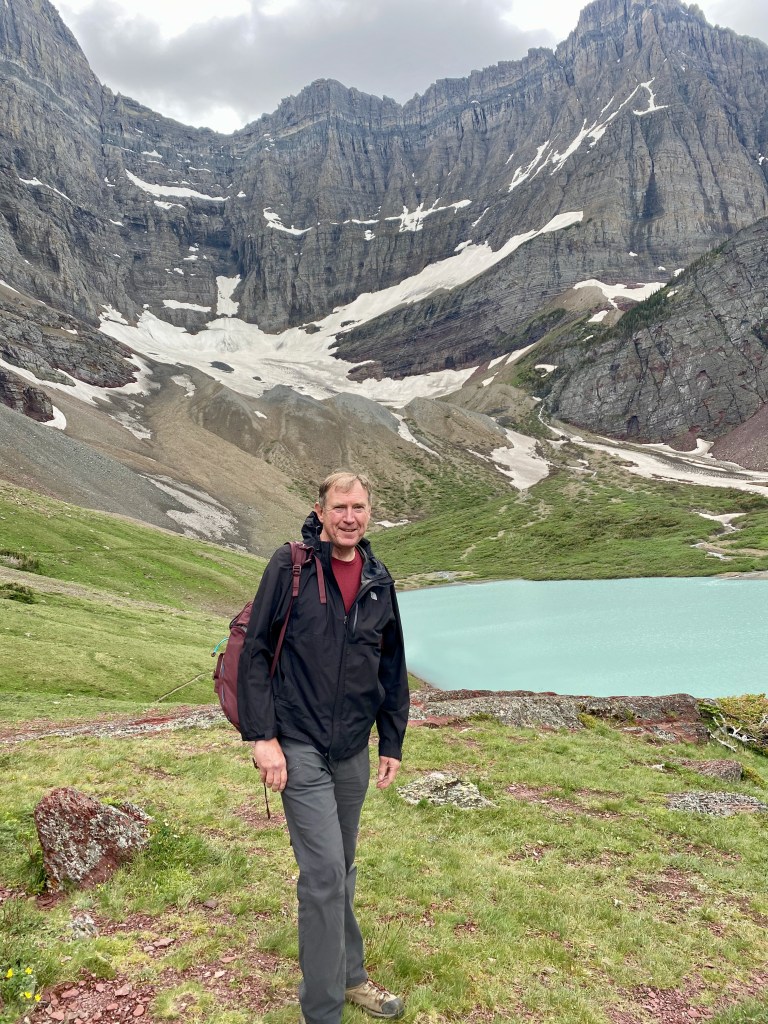
Glacier (Montana). We hiked to glacial lakes, encountered a black bear, boated on Lake McDonald, and drove the Going to the Sun Road up to Logan Pass. See “Sampling the wonders of Glacier.”
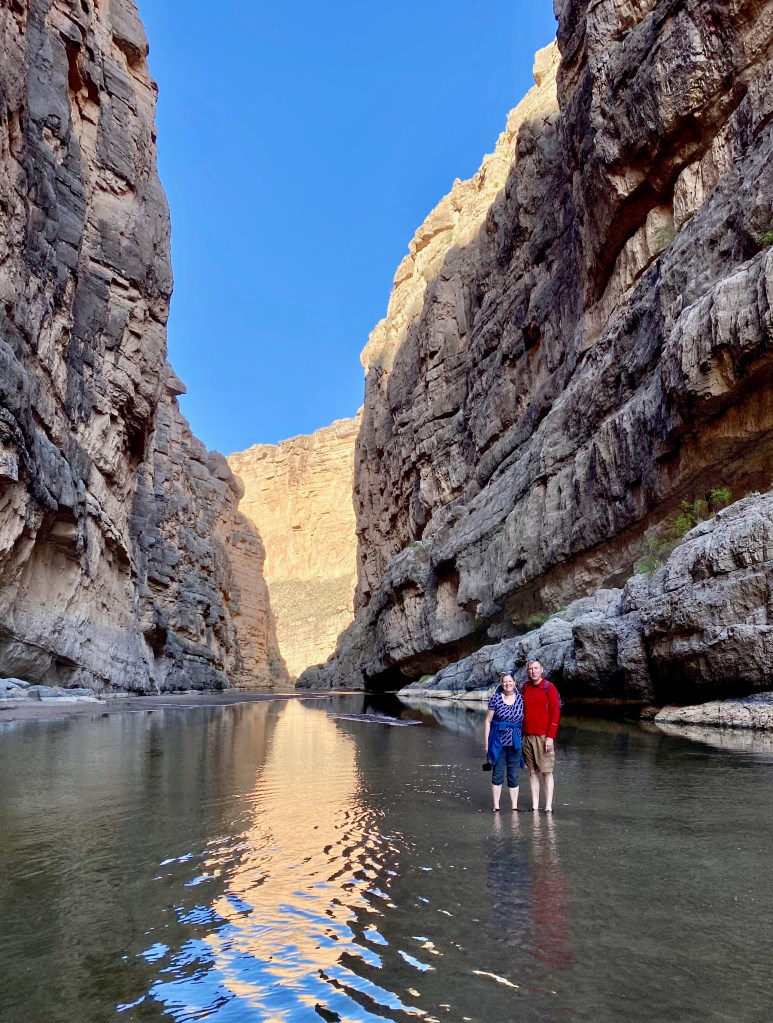
Big Bend (Texas). We waded in the Rio Grande River, and hiked into canyons and through the Chisos Mountains. Our visit there was eventful enough to rate three blog posts! See “Boondocking in Big Bend,” “Hiking the South Rim,” and “Hiking into Santa Elena Canyon.”


Other favorites:
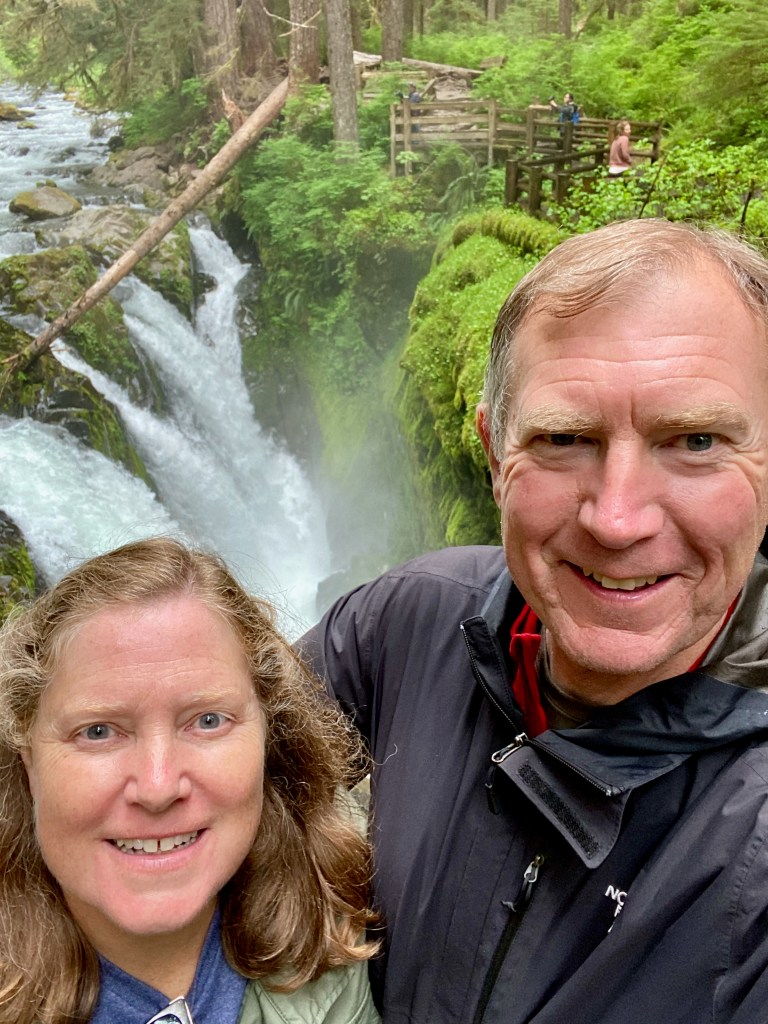
Olympic (Washington). We hiked up to Hurricane Ridge, biked along Lake Crescent, and visited Sol Duc Falls. I ventured into the Hoh River Rain Forest on a two-night backpacking trip. See “Hiking Hurricane Ridge” and “Backpacking into the enchanted wilderness.”
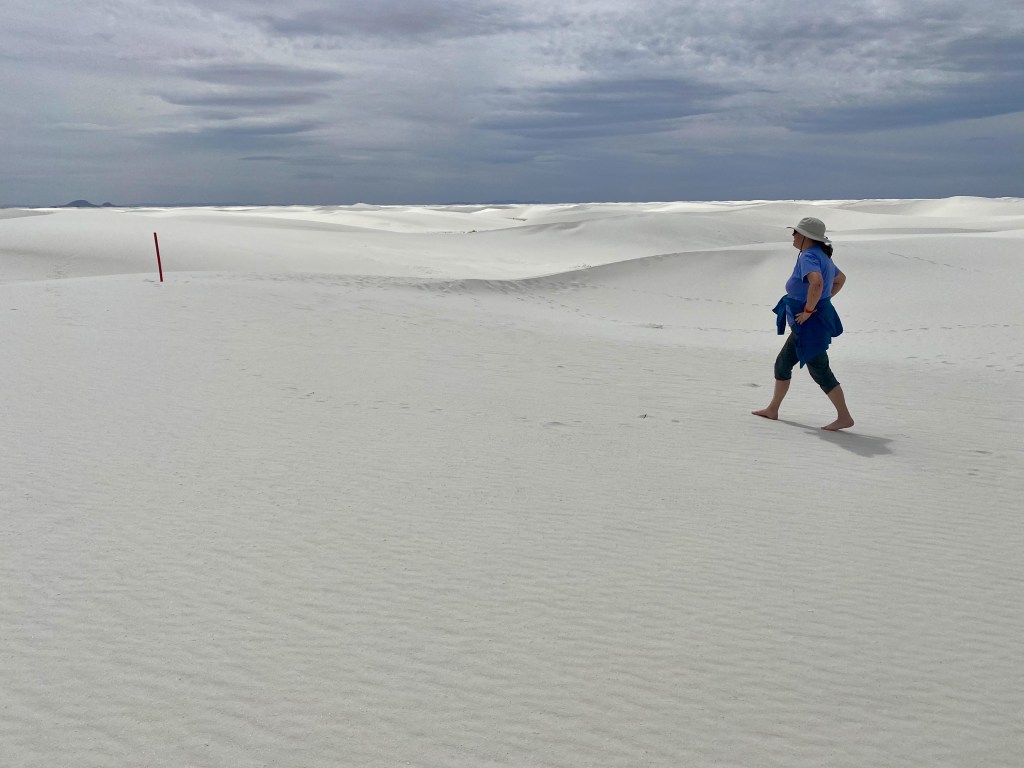
White Sands (New Mexico). This park and Big Bend were the two that exceeded expectations by the widest margins. We loved our five-mile walk in bare feet across the cool sand to the Alkali Flats and back. See “The otherworldly expanse of White Sands.”
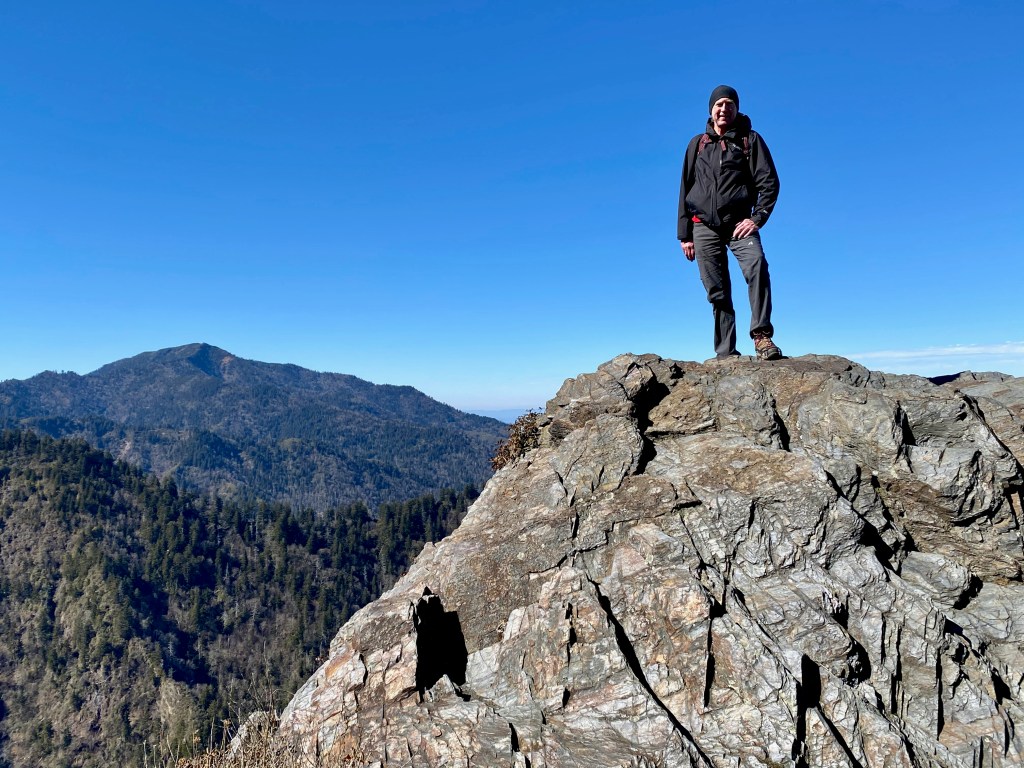
Great Smoky Mountains (Tennessee/North Carolina). We’ve visited here before, hiking the Alum Cave Trail to Mount LeConte. During this trip, I hiked a four-mile section of the Appalachian Trail to Charlies Bunion on a winter’s day for amazing views. See “Hiking the Appalachian Trail.”
Carlsbad Caverns (New Mexico) and Guadalupe (Texas). The caverns are spectacular and make just about all other cave systems rather ordinary. Just down the road Guadalupe offers great views from the highest point in Texas and unique terrain shaped by an ancient sea. See “From Carlsbad Caverns … to Guadalupe Peak.”
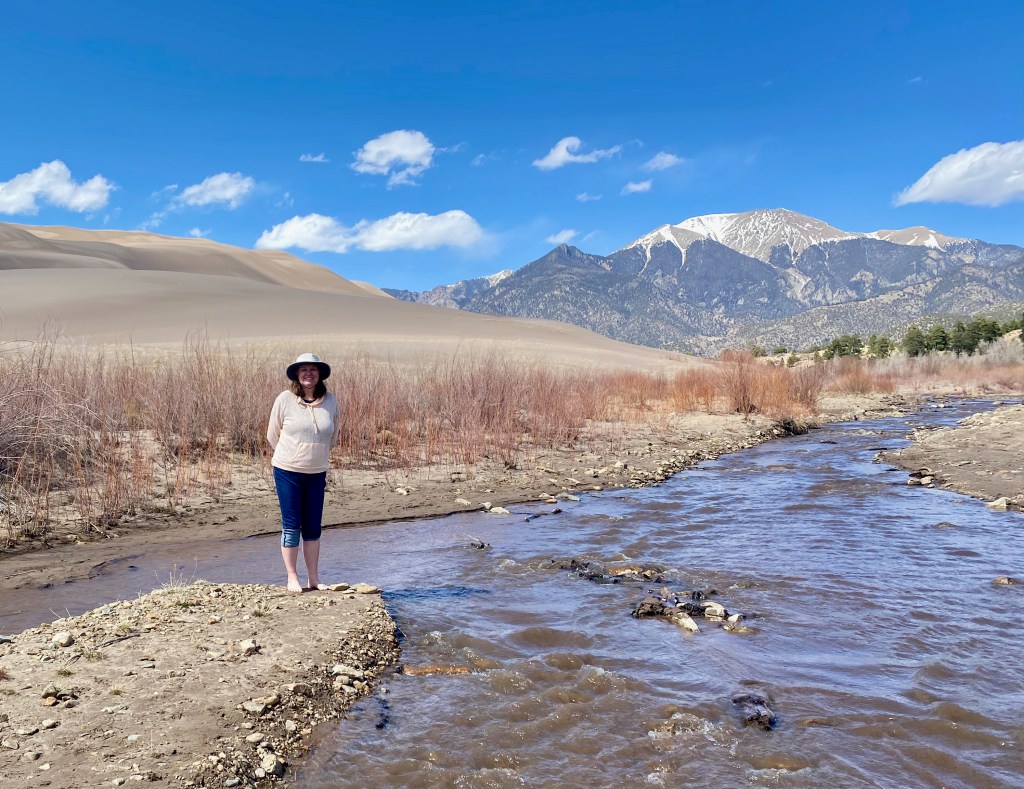
Great Sand Dunes (Colorado). Be sure to go here in spring or early summer when the water is running through Medano Creek. Otherwise it’s just a big pile of hot sand. See “Great Sand Dunes National Park.”
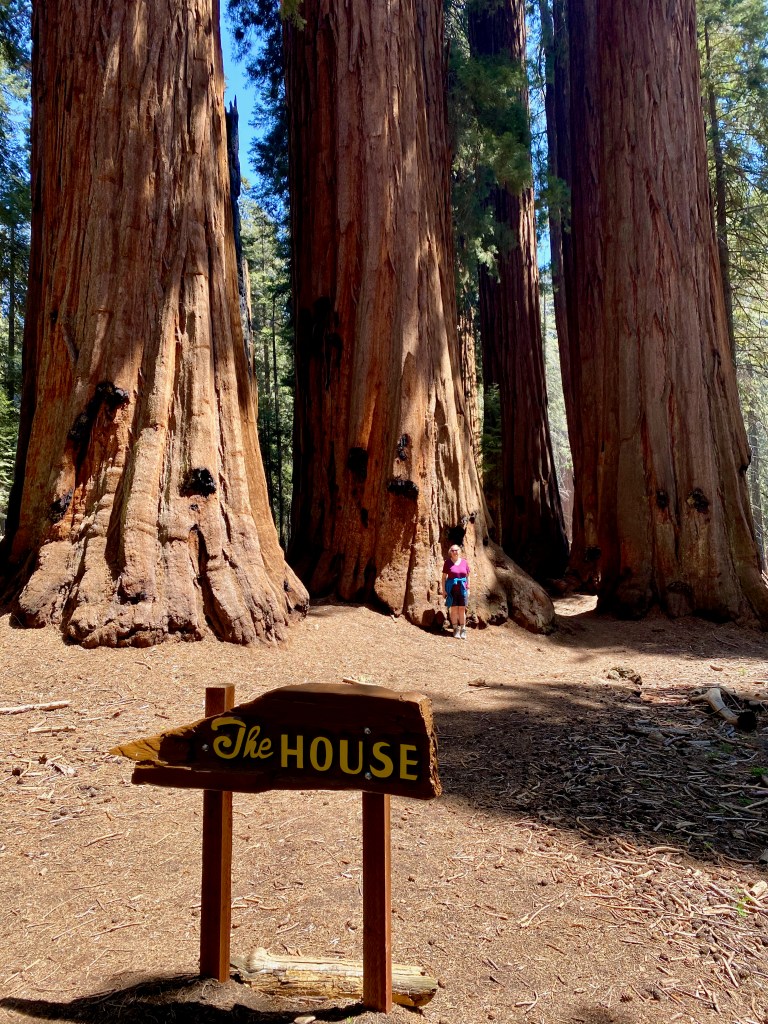
Sequoia, Kings Canyon, and Redwood (California). The main attraction at all three are the towering redwoods. We savored every quiet moment along the pine-needle paths with the trees towering 200-300 feet above us. See “Standing tall with Generals Sherman and Grant” and “Admiring the giant redwoods.”
Other parks:
Hot Springs (Arkansas). The main attraction in this small, urban park is the hot springs, which we thoroughly enjoyed during our 20-minute session in a private bath. See “Soaking in hot springs.”
Saguaro (Arizona). We learned a lot about the desert and its plant life at the park and the nearby desert center. We were only able to tour the west unit. See “Admiring the sentinels of the desert.”
Joshua Tree (California). This park is worth visiting for a full day, but the hiking opportunities are limited. See “Joshua Tree National Park.”
Lassen Volcanic (California). The park’s main road was still closed for snow removal when we visited in May, so we were only able to experience a sulfur-scented mud pot at the entrance. See “Smelling sulfur and feeling the heat.”
North Cascades (Washington). We enjoyed the view of Diablo Lake from the main road, but the hiking opportunities seem to be limited. See “The clouded peaks of North Cascades National Park.”
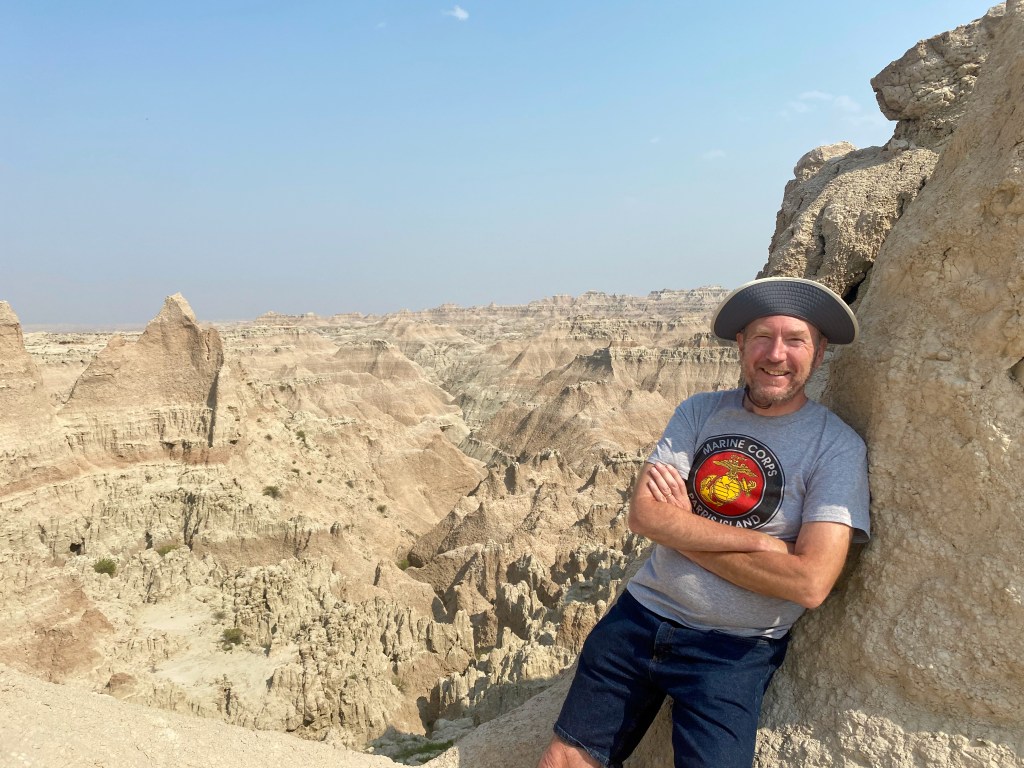
Badlands and Wind Cave (South Dakota). These two parks are about 70 miles apart. I hiked out onto the Badlands and savored the stark landscape. Wind Cave features some unique formations, but the tours were limited and they only offer same-day reservations. See “A glorious day in the Black Hills.”
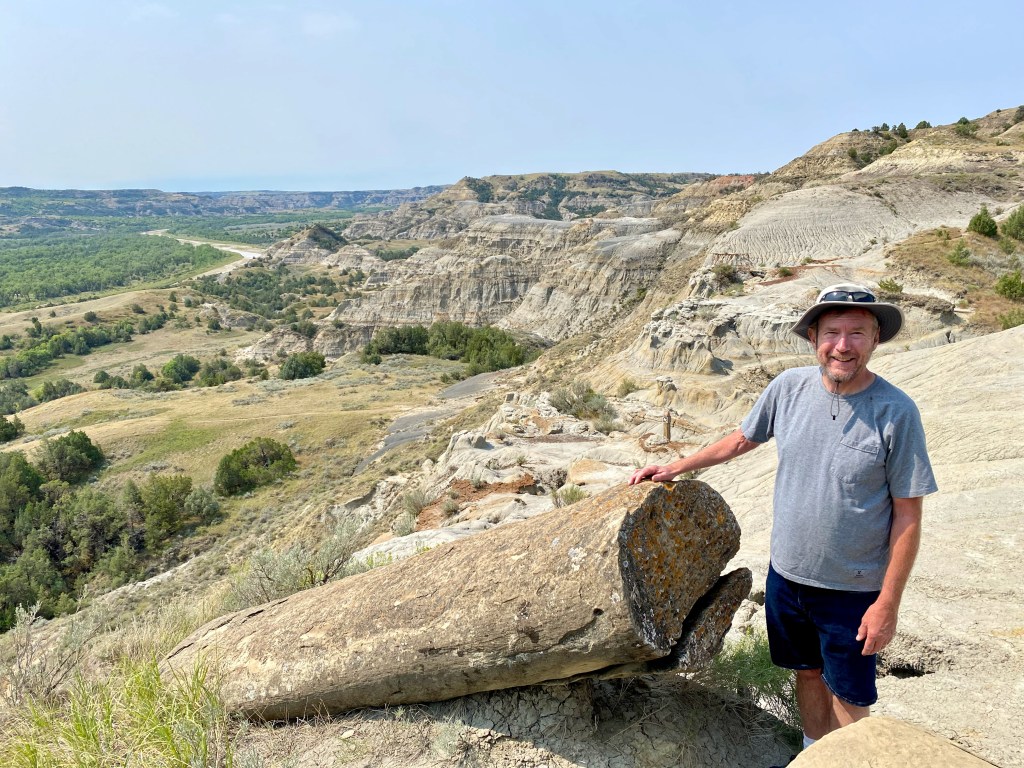
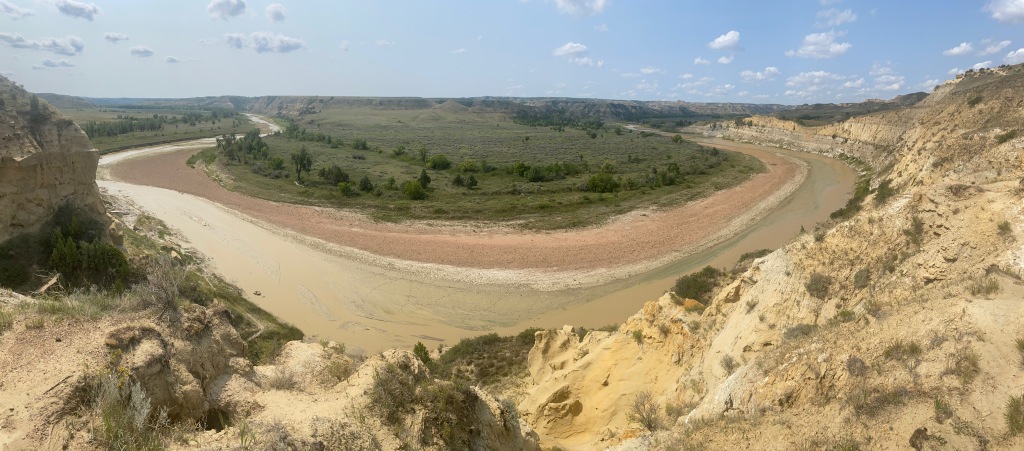
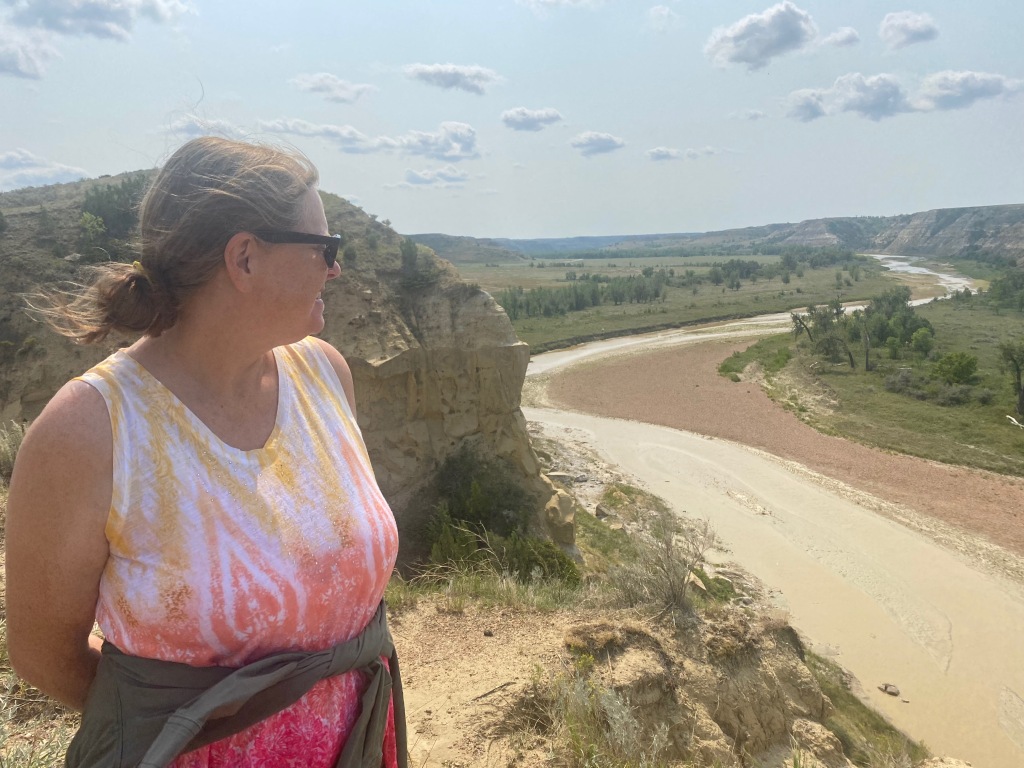
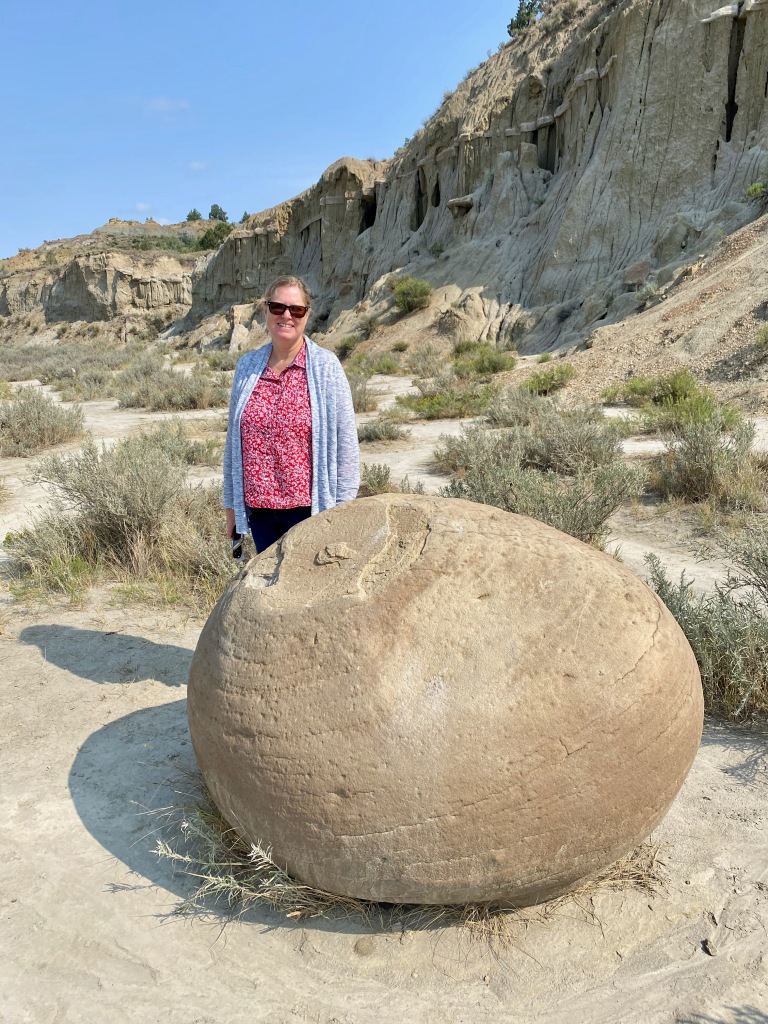
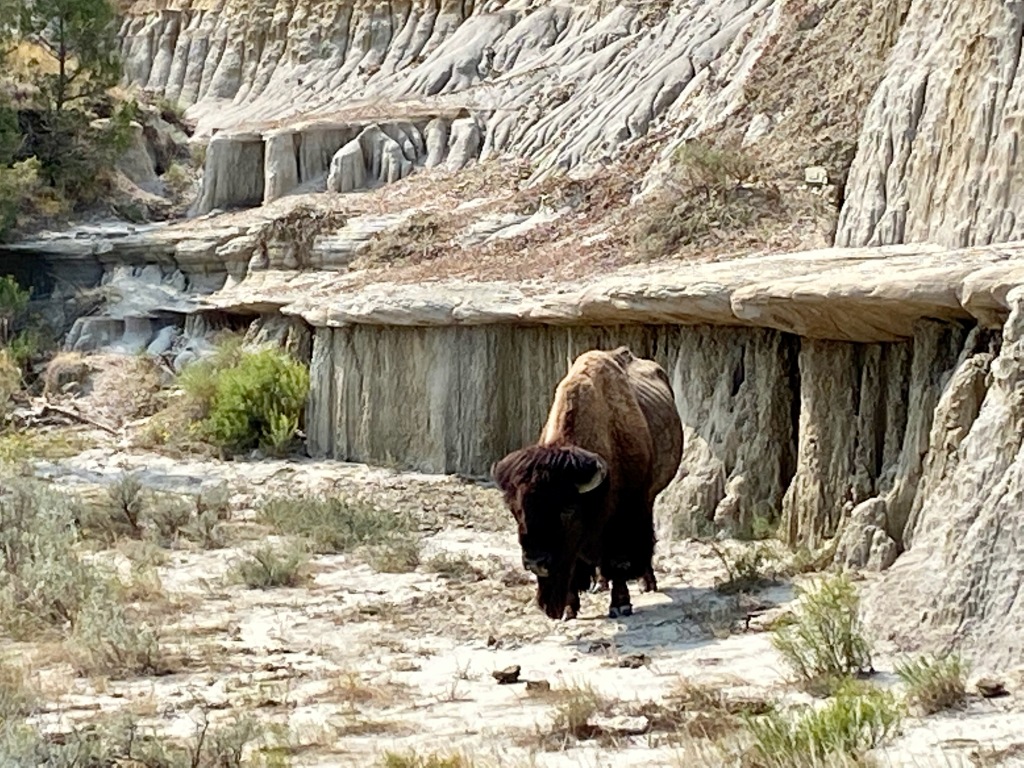
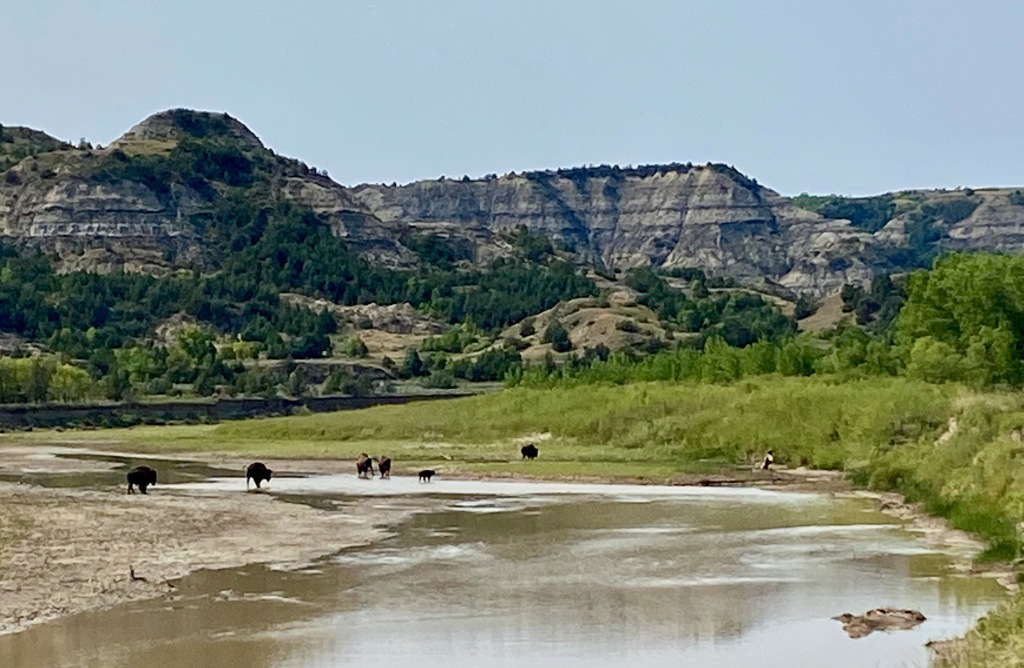
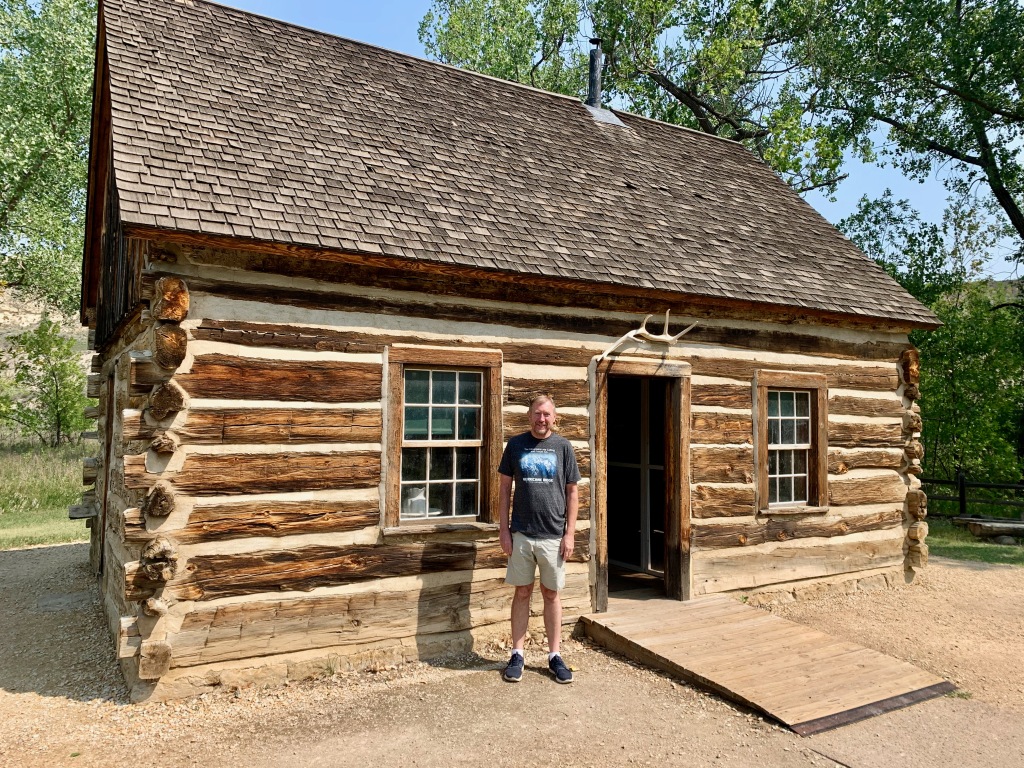
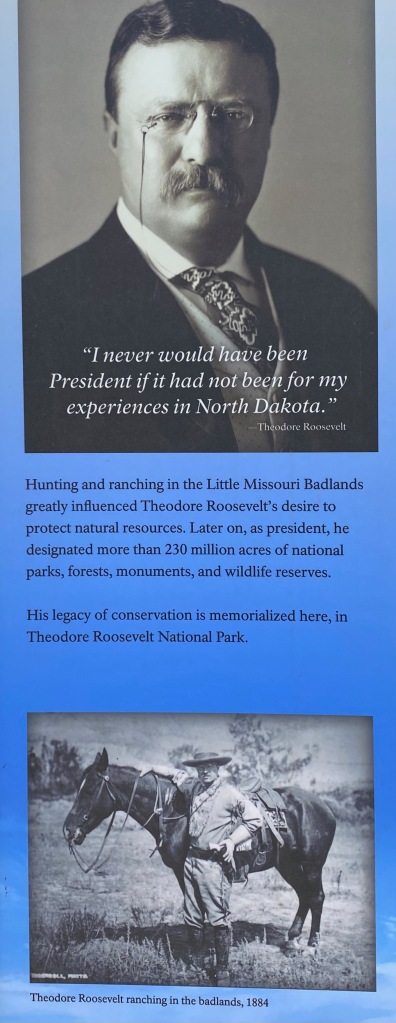
Theodore Roosevelt (North Dakota). This remote park (especially the north unit) offered its own more subtle “badlands” beauty and historical ties to a former U.S. president. See “Following ‘The Little Mo’ and the buffalo.”
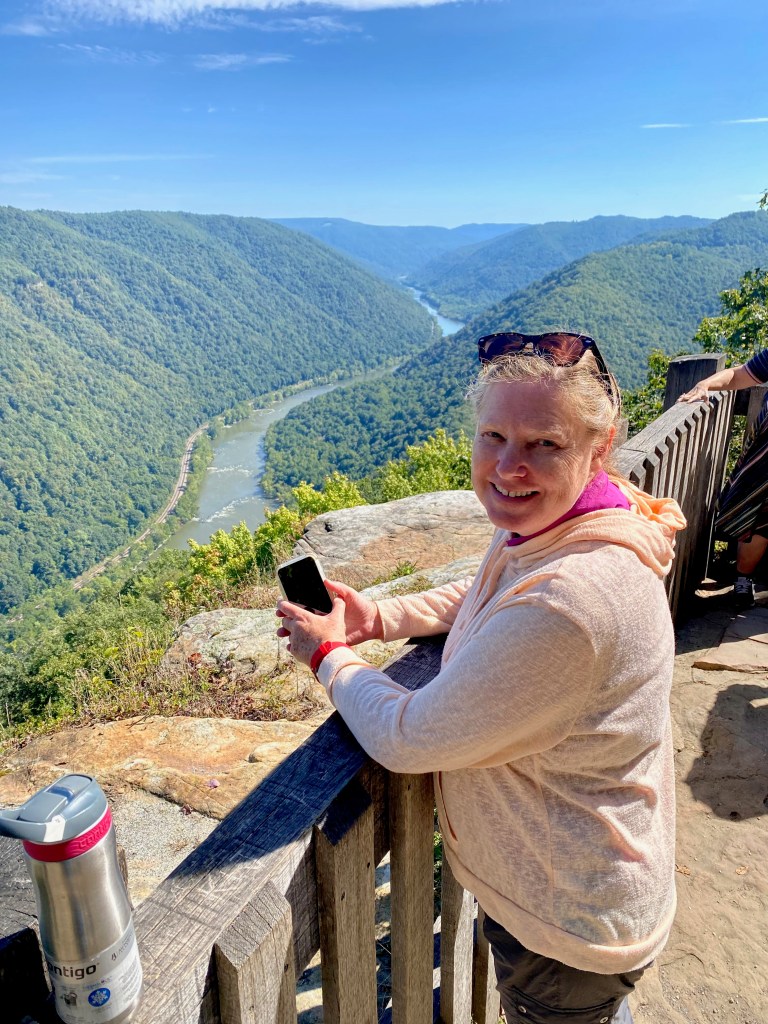
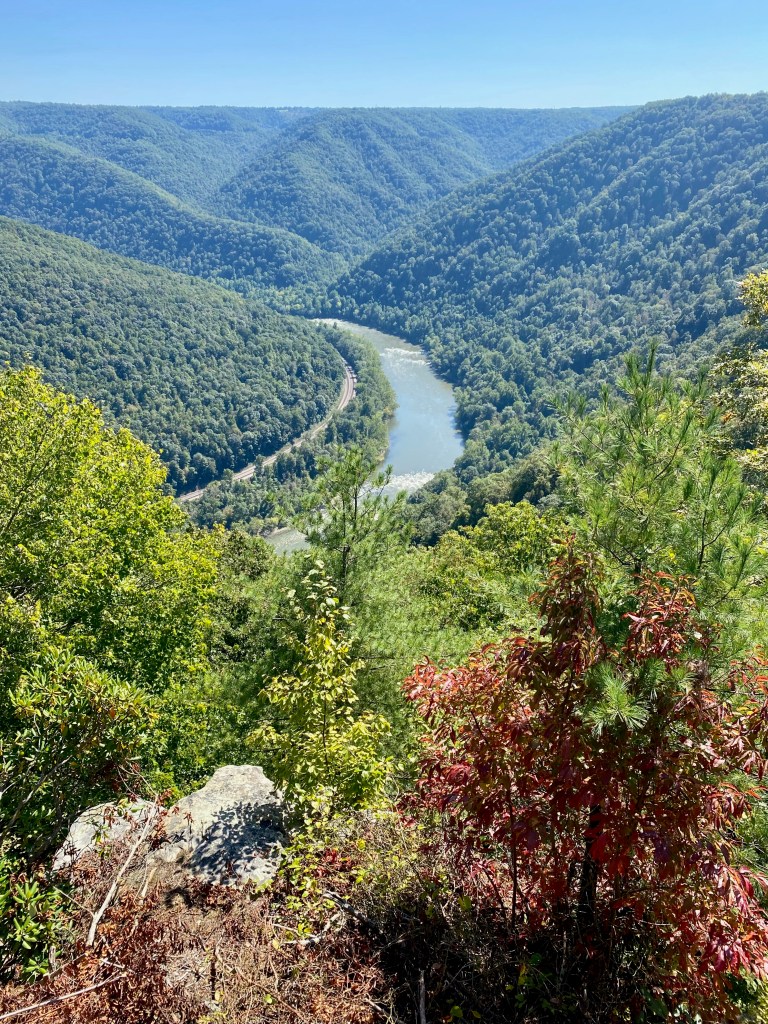
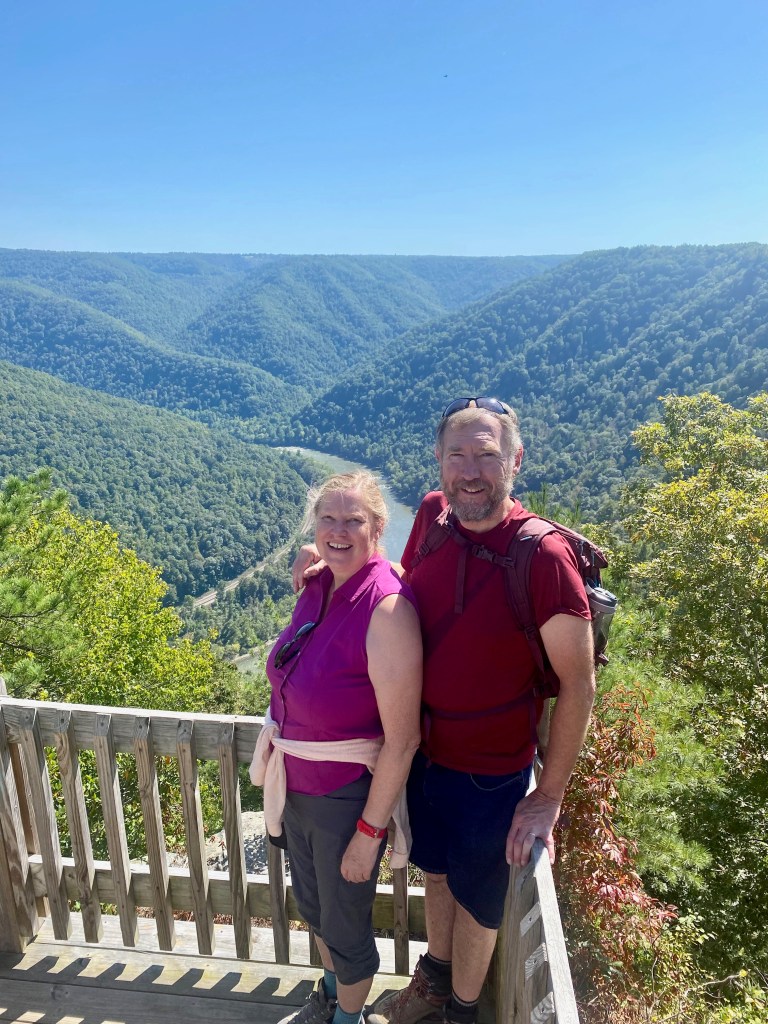
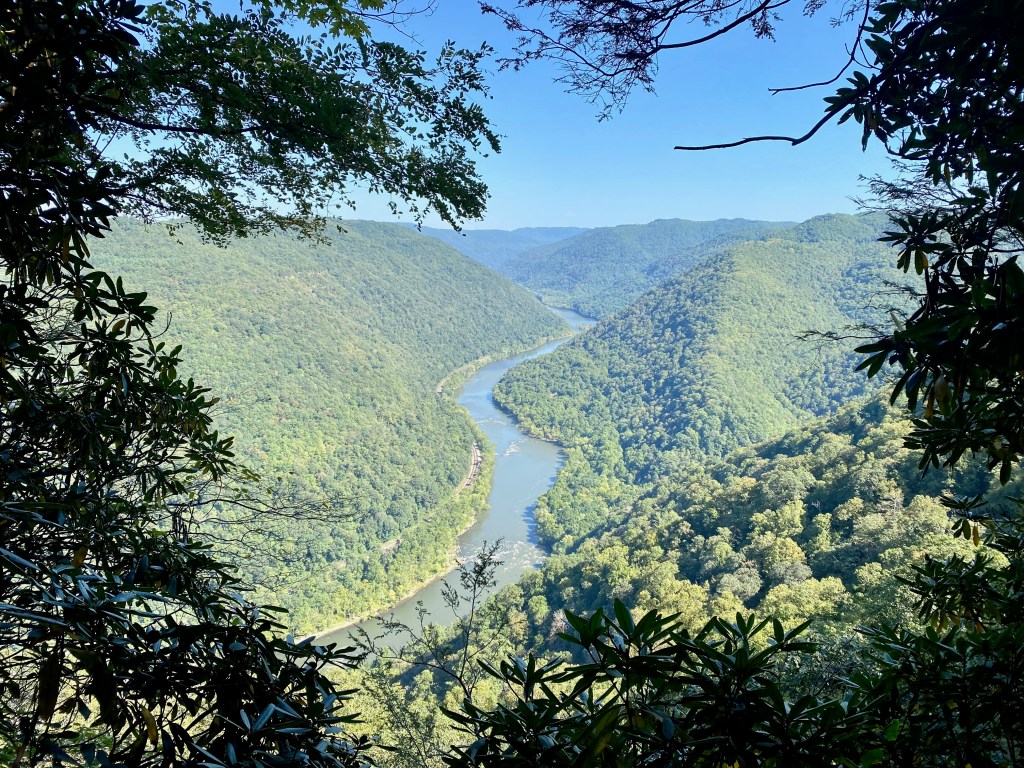
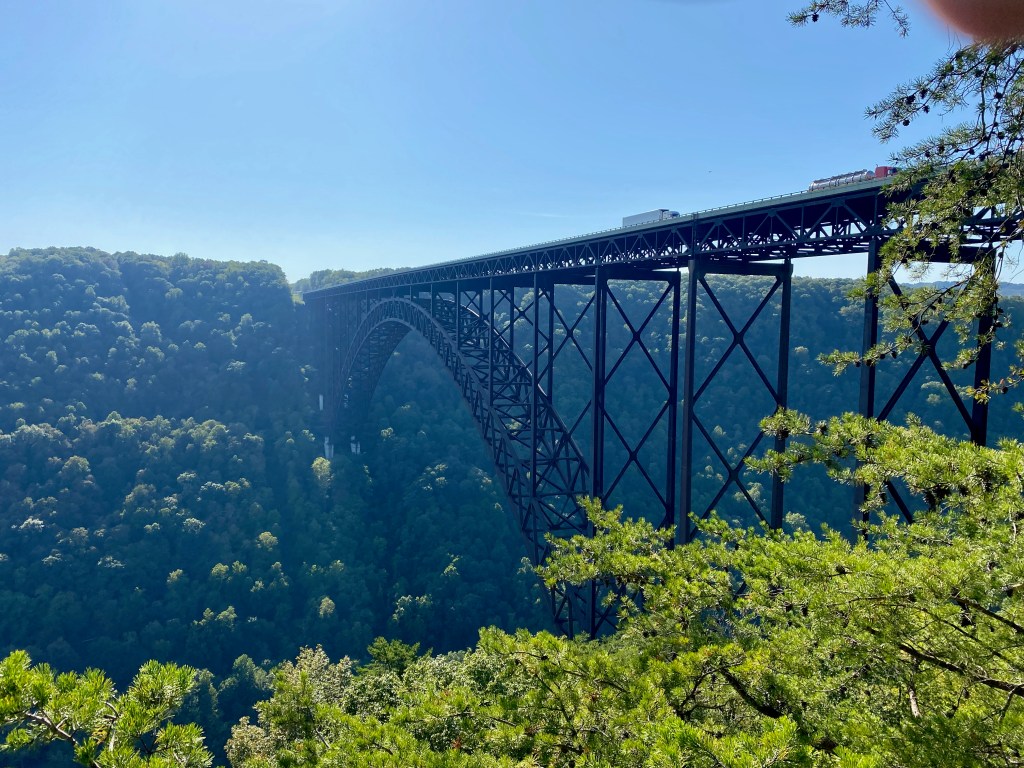
New River Gorge (West Virginia). We enjoyed a hike along the ridge 1,400 feet above this picturesque river. If we visit again, we might try rafting. See “Gazing down on West Virginia’s New River Gorge.”

***
Along our journey there were at least six parks that we could have visited but for various reasons we weren’t able to: The Grand Canyon (Arizona) was just a bit out of the way and we could not find a campsite reservation nearby; the rim road around Crater Lake (Oregon) was still snowed in when we arrived in southwest Oregon in mid-May; Mount Rainier (Washington) was also a bit out of the way as we made our way from Washington to Montana in June; we passed near the Grand Tetons (Wyoming) in July but there were no available campsites when we got around to inquiring; Voyager (Minnesota) in Northern Minnesota was also a bit out of the way for us; and Isle Royale (Michigan) was only a three-hour ferry ride away when we were in Copper Harbor, MI, but I had left the reservations too late and the ferry and lodge were all booked up.
Oh well, we’ll just need to plan another trip one of these years, Lord willing!



























 Daniel Griswold's Blog