The Isle of Man will stay in my memory as a pastoral patch of green hills set in the Irish Sea, alive with the history of steam trains, castles and a Viking heritage of self-rule going back a thousand years.
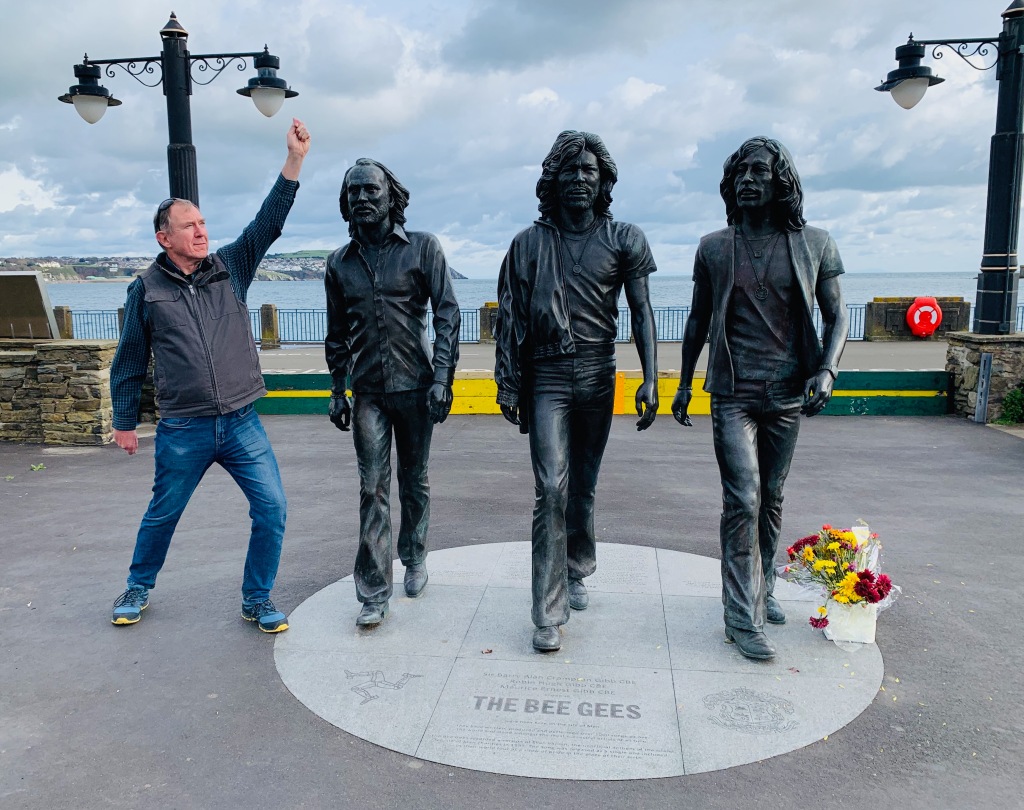
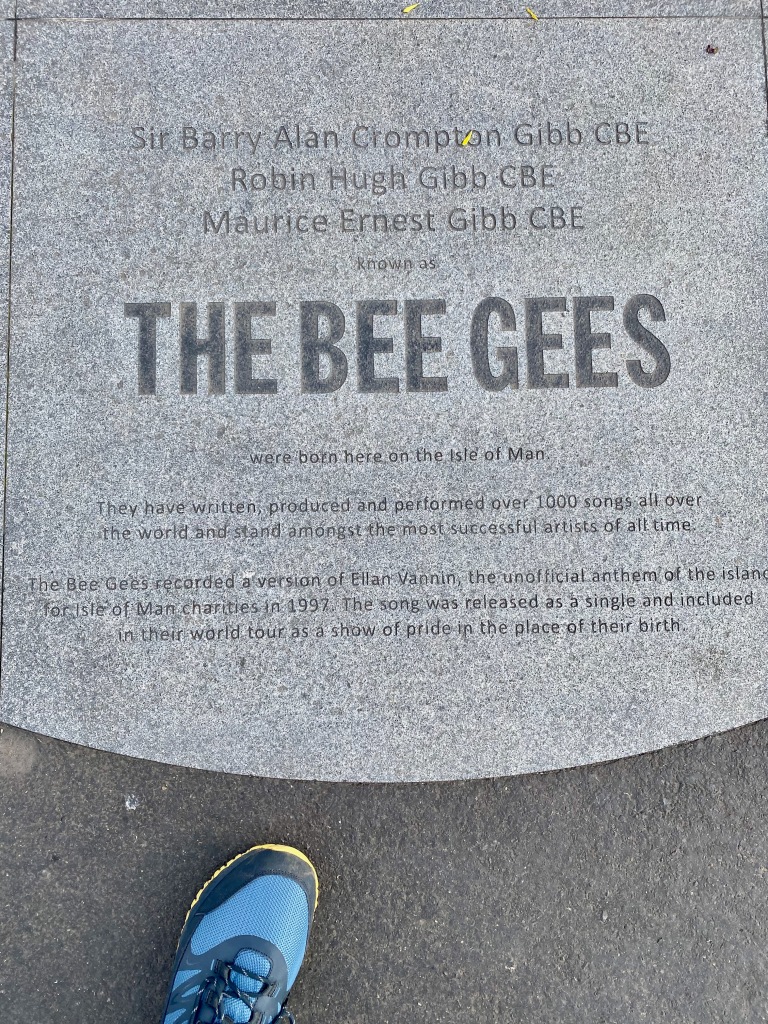
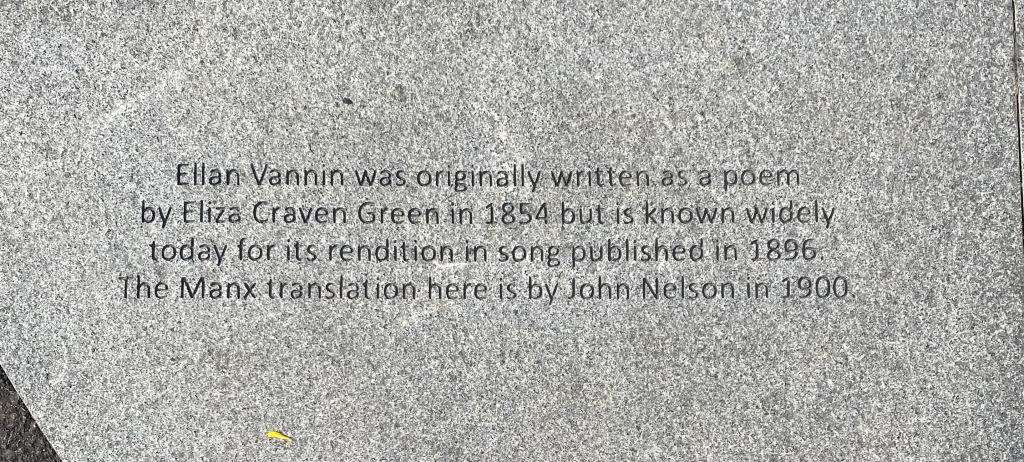
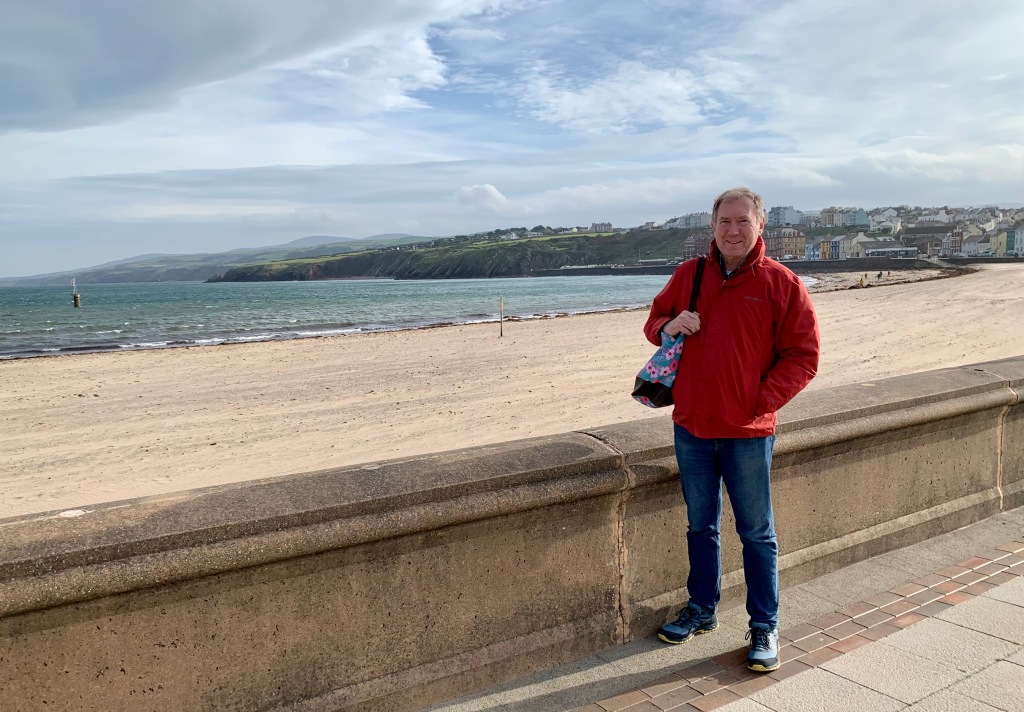
Looking for a field trip during our extended stay in the north of England, Elizabeth and I set off by ferry last week to spend four days on the Isle of Man. We arrived from Liverpool late in the evening of Sunday, October 15. Walking along the promenade the next morning, we found a statue of the three famous Gibb brothers—Barry, Maurice, and Robin, aka The Bee Gees. They were born on the Isle of Man but then moved with their family first to Manchester and then to Australia. Next to the statue was inscribed a famous 1854 poem, “Ellan Vallin,” which is the name of the island in Manx Gaelic. The poem was set to music later in the century and has become the island’s unofficial national anthem. It was performed beautifully by Robin Gibb and the Bee Gees themselves in 1998. (See the YouTube video at the end of the post.)
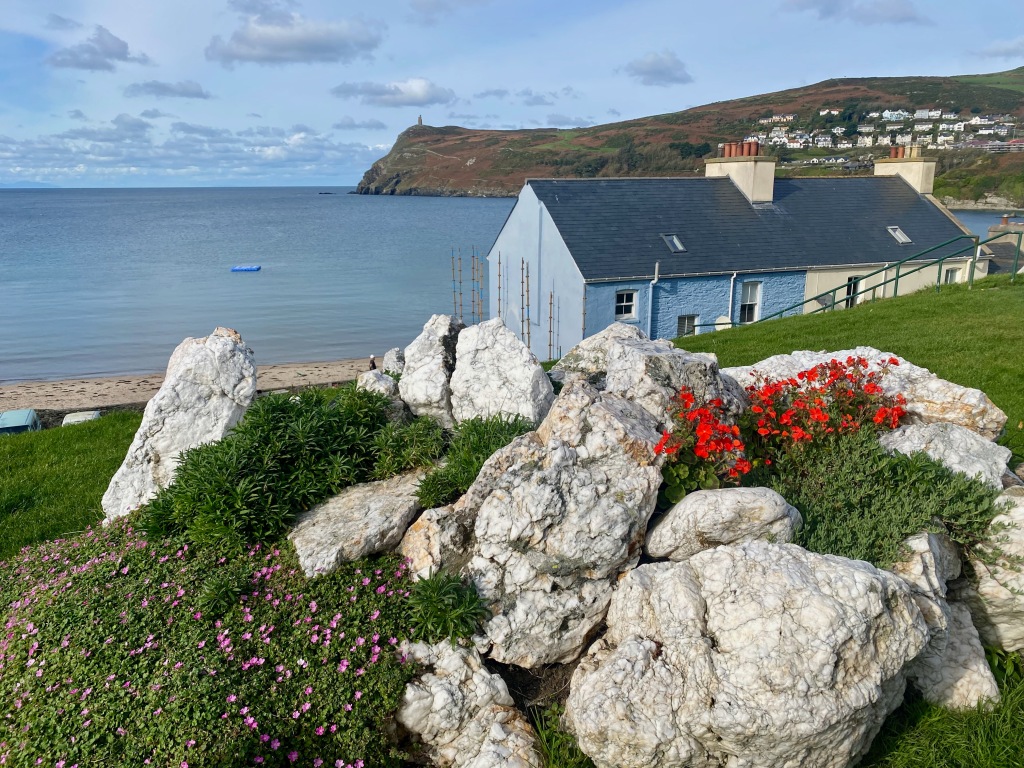
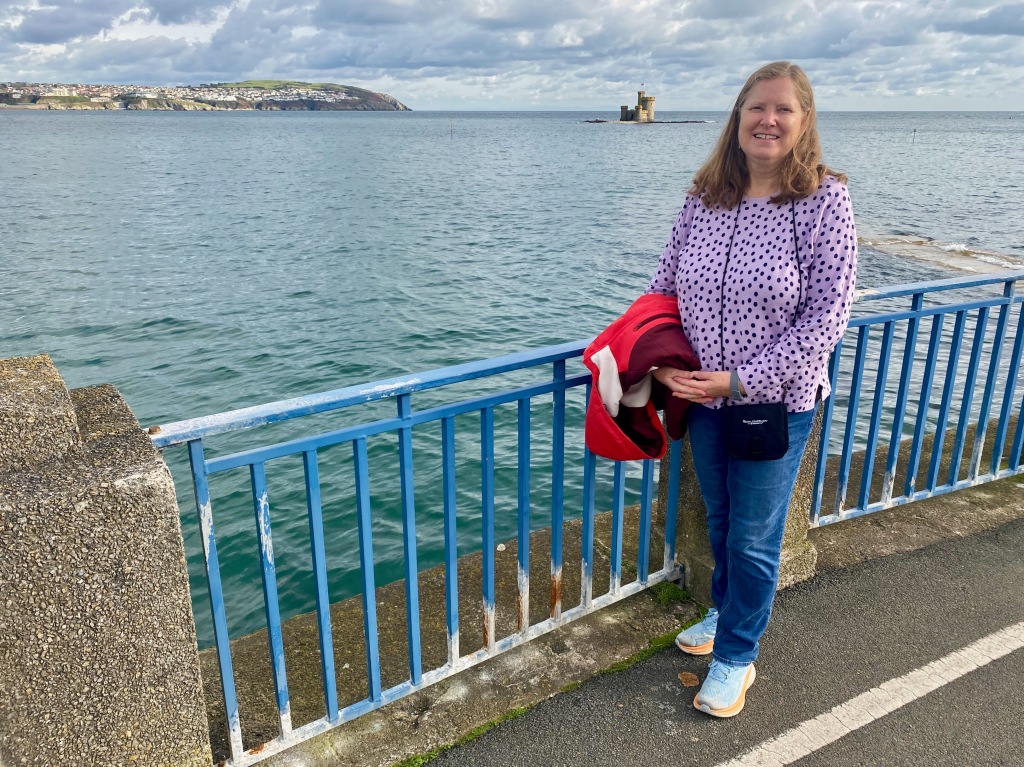
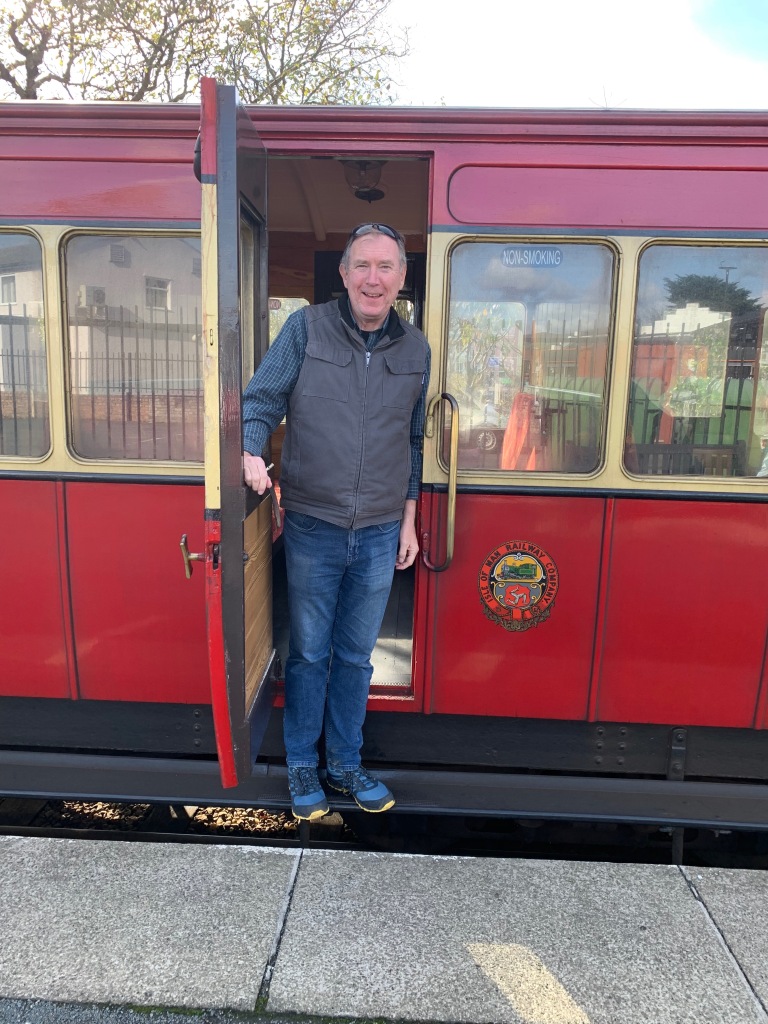
We then hopped on a bus for the town of Port Erin on the southwest end of the island. We were encouraged by a nice lady at the visitors center to hire a cab when we got there to go on to tip of the island to a café overlooking The Sound and the small Isle of Calf. Alas, there was no taxi or Uber service available, so we walked to the end of the village overlooking a bay and the Milner Tower in the distance. Then we headed to the Isle of Man Steam Railway Station in town where we toured the small railway museum before boarding the train for Castletown on the way back to Douglas.
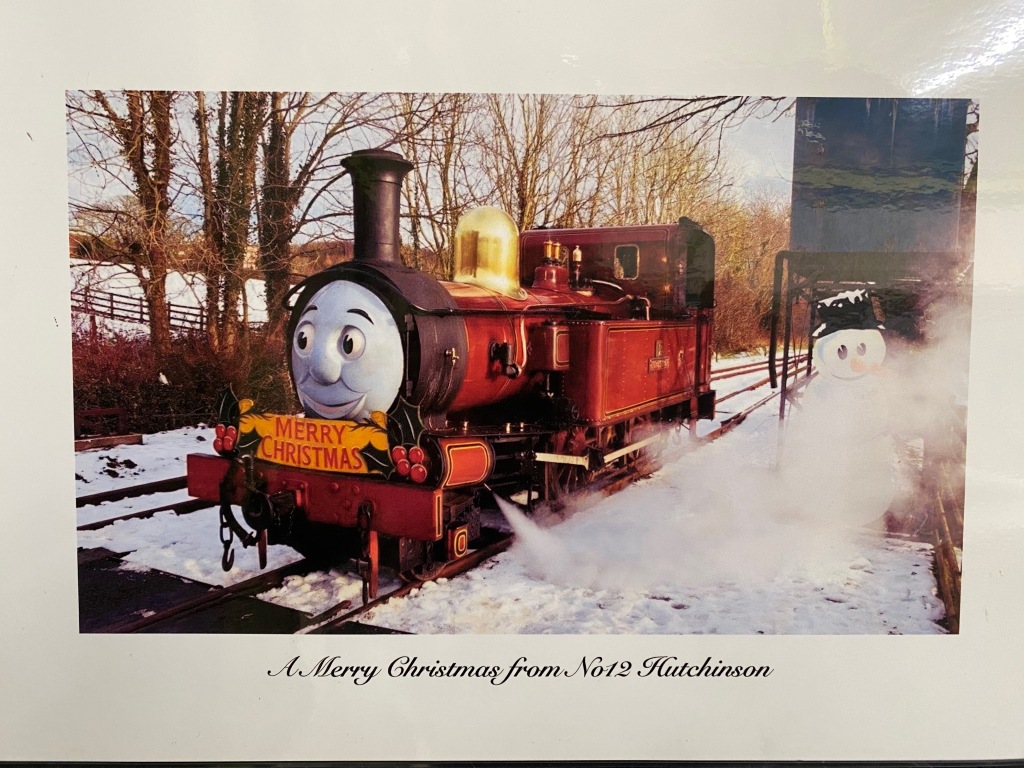
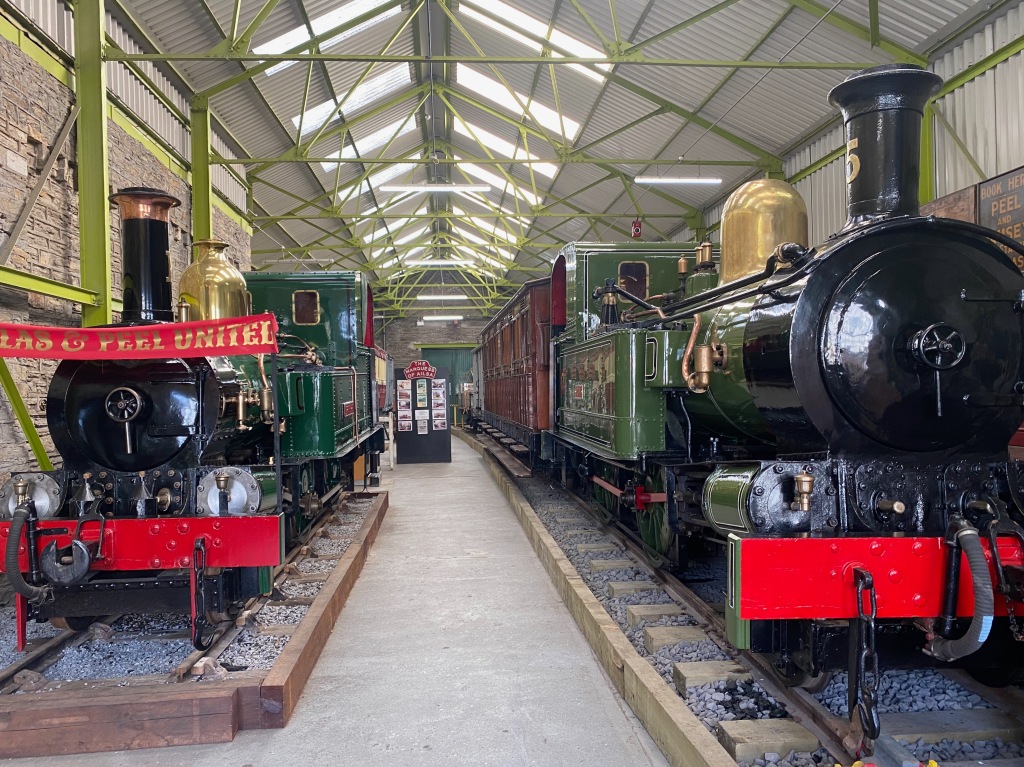
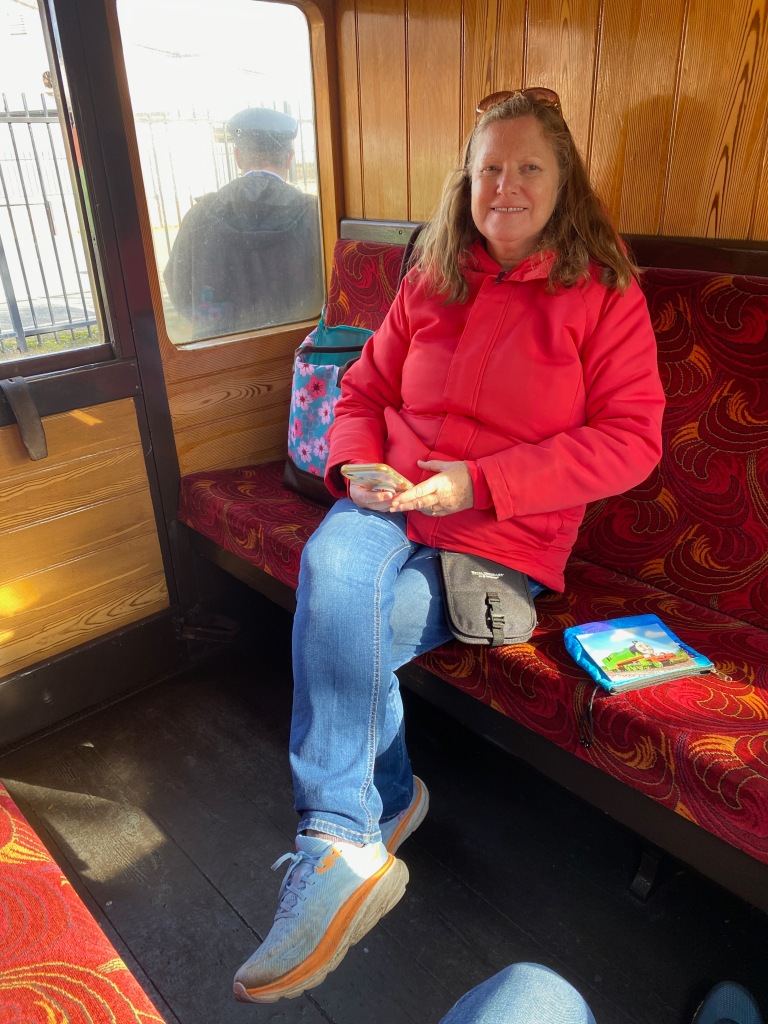
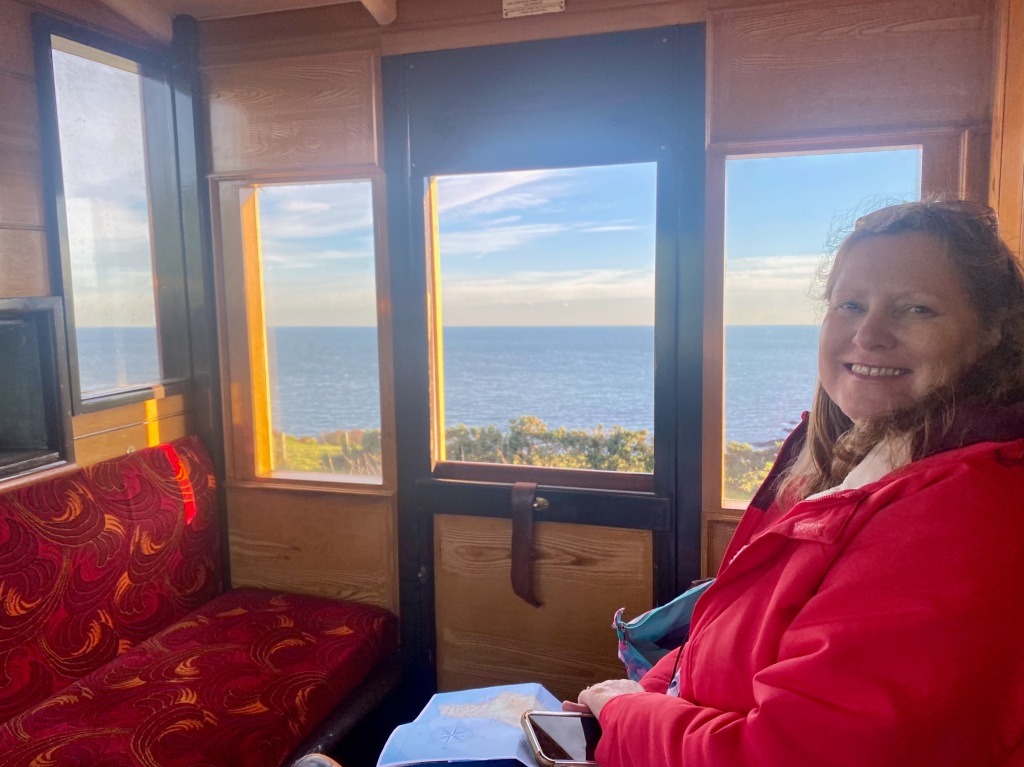
The Isle of Man Steam Railway dates back to 1873 and runs 15 miles between Douglas and Port Erin. It was great fun to ride the train as it chugged along at 25 mph beside the sheep fields and along the coast. We were able to ride for part of the way in the “Guard’s Van,” the car at the front behind the locomotive. The whistle would blast at road crossings and the smoke billow through underpasses. At the railway museum we learned that the Rev. Wilbert V. Awdry, the author of the Thomas the Tank Engine books we read to our kids, was inspired by the trains on the island. So that is two cultural icons connected to the Isle of Man!
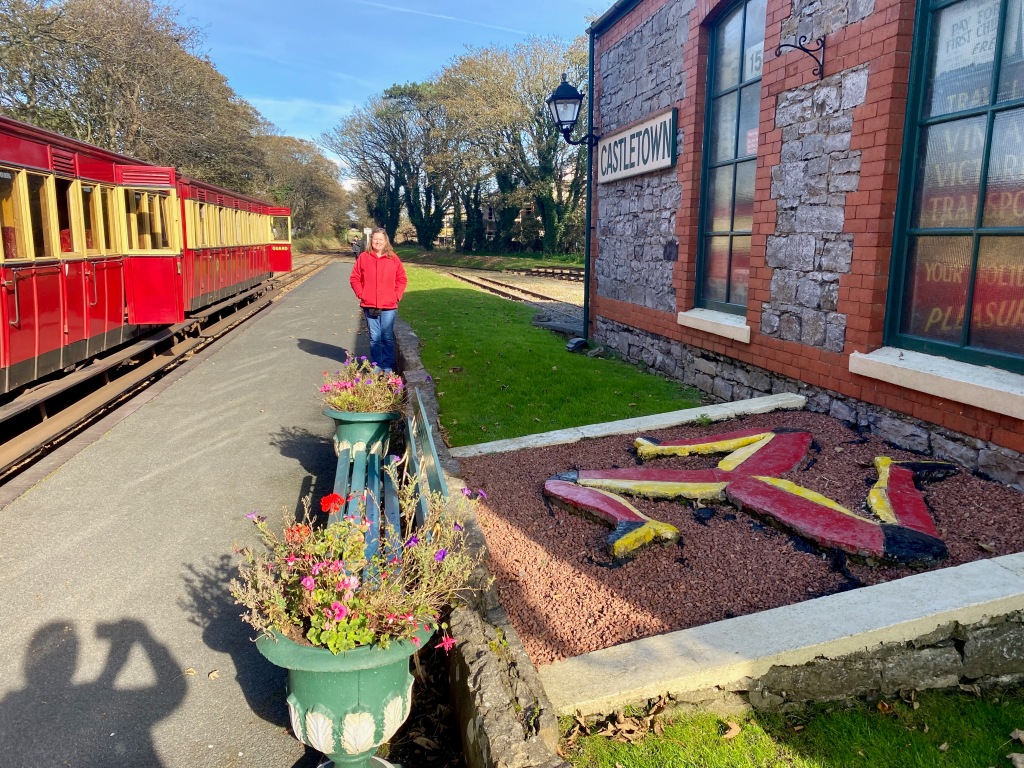
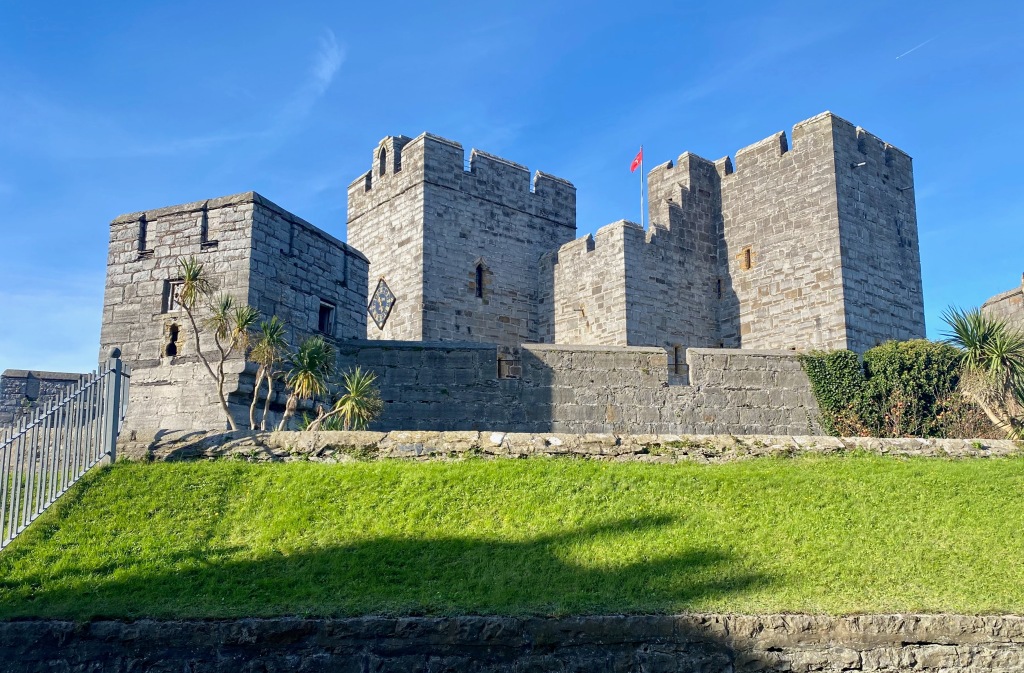
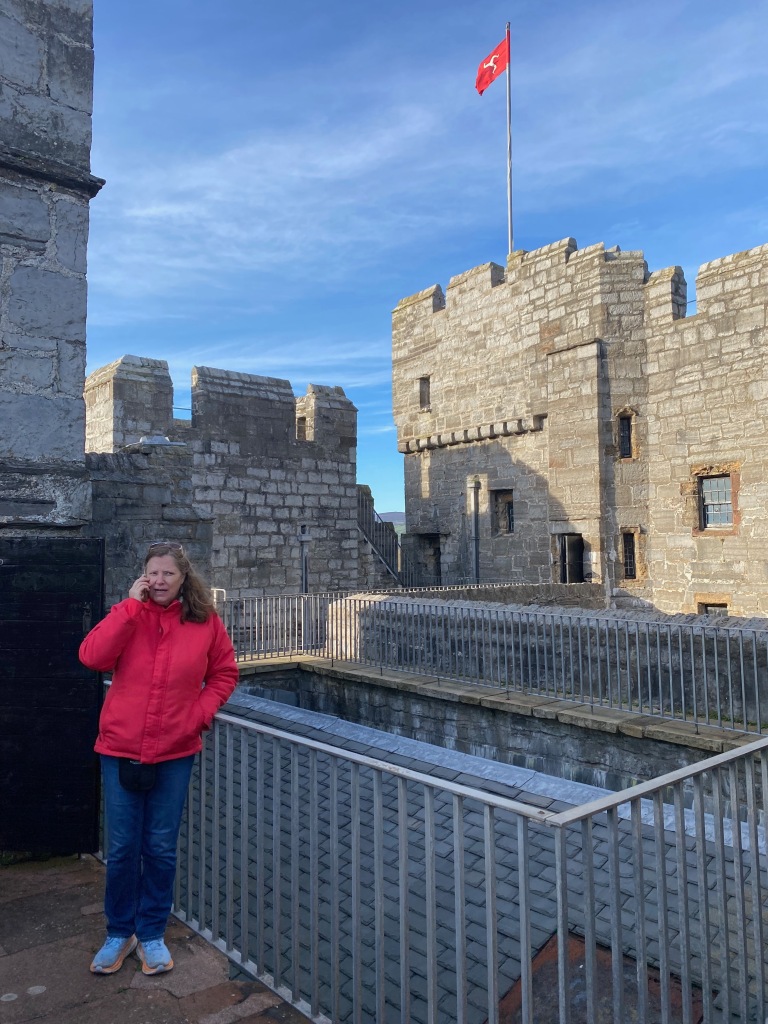
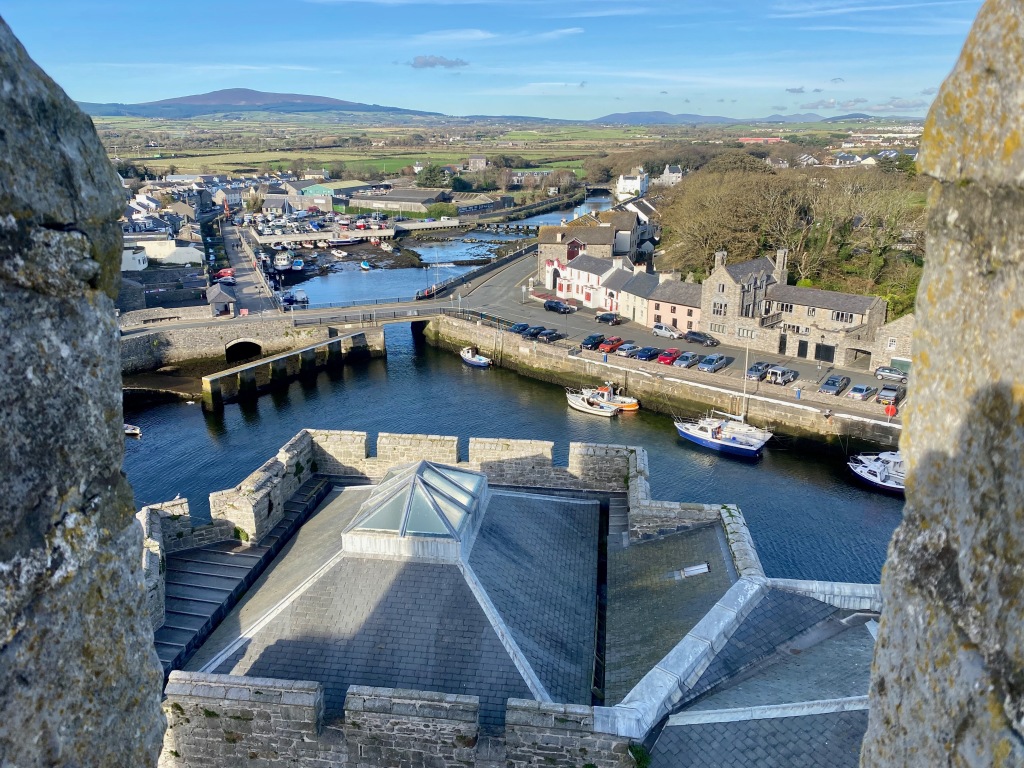
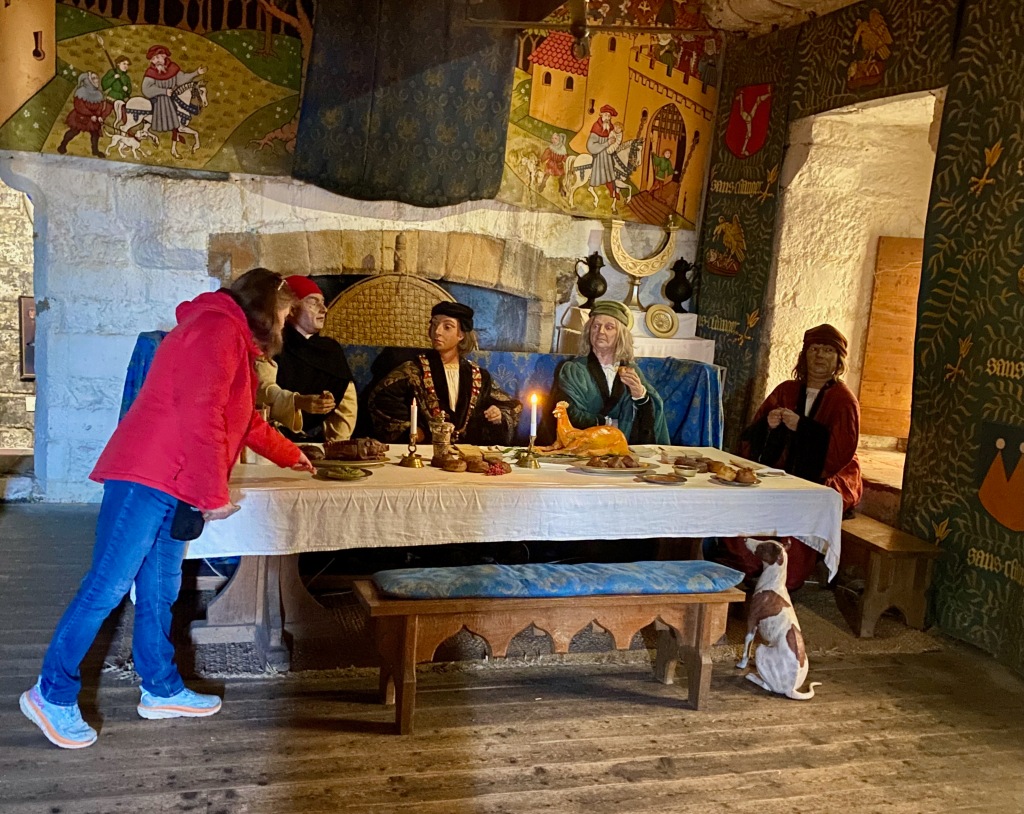
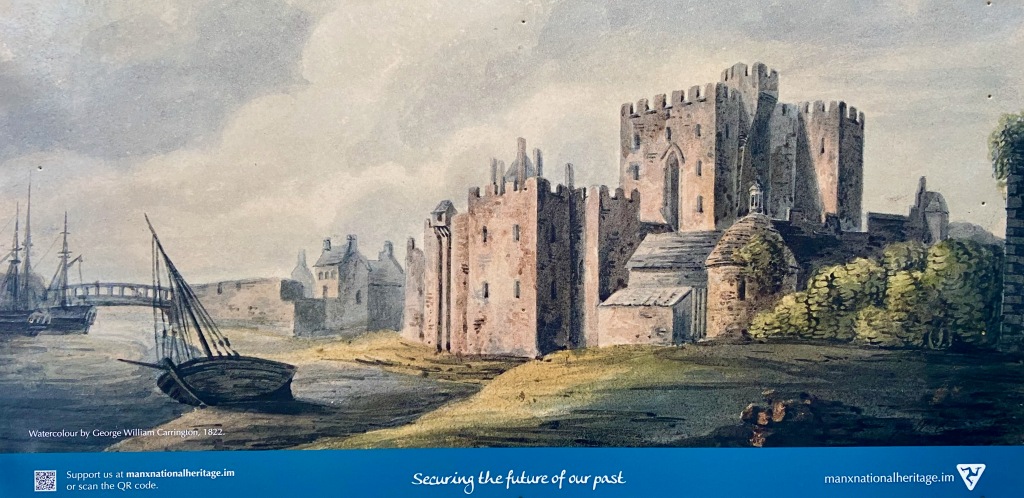
We jumped off the train in Castletown along the island’s east coast to visit the Castle Rushen. Parts of the castle date back to the 1200s A.D. but most of it was built in the 1400s. We arrived there about 45 minutes before closing, too late to make it worth the entry fee, but the nice lady in the visitor’s shop waved us through for a brief tour. The views of the town and countryside were lovely. Many of the rooms were set up as though the castle residents were entertaining their guests. (See Elizabeth joining in!) The castle was one of the strongholds of the island’s government for centuries.
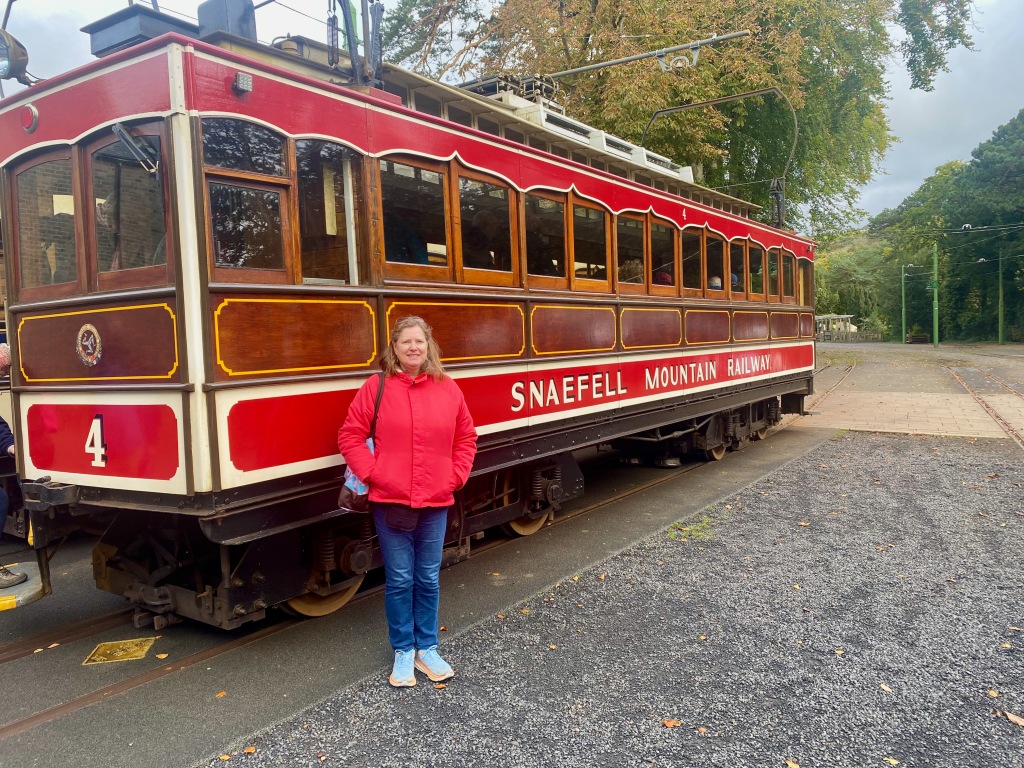
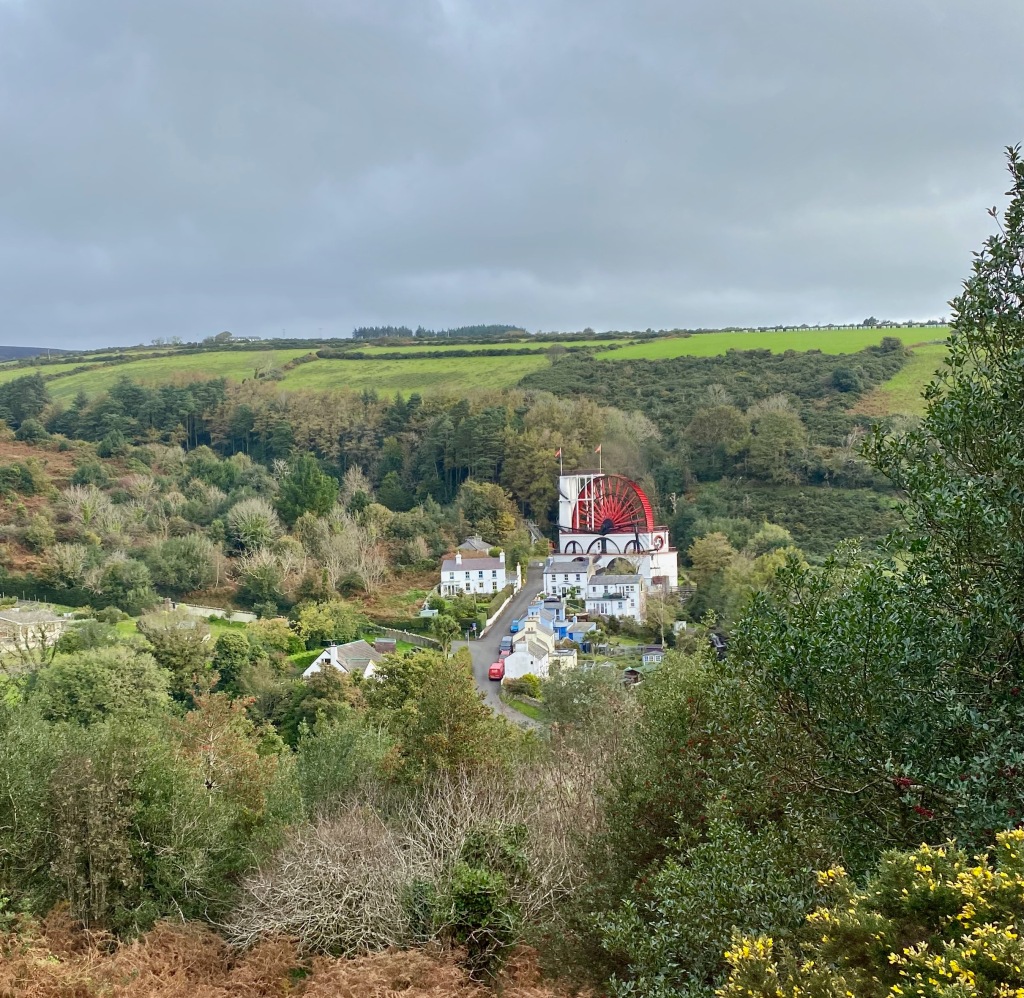
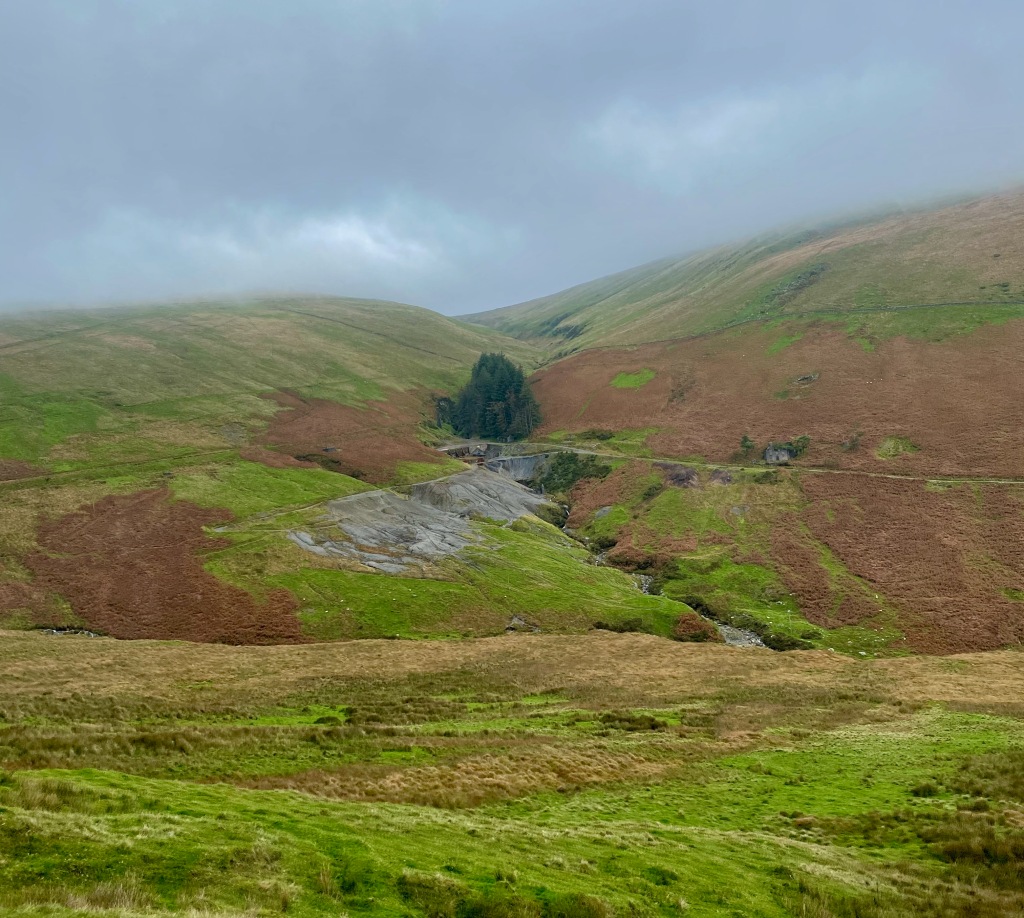
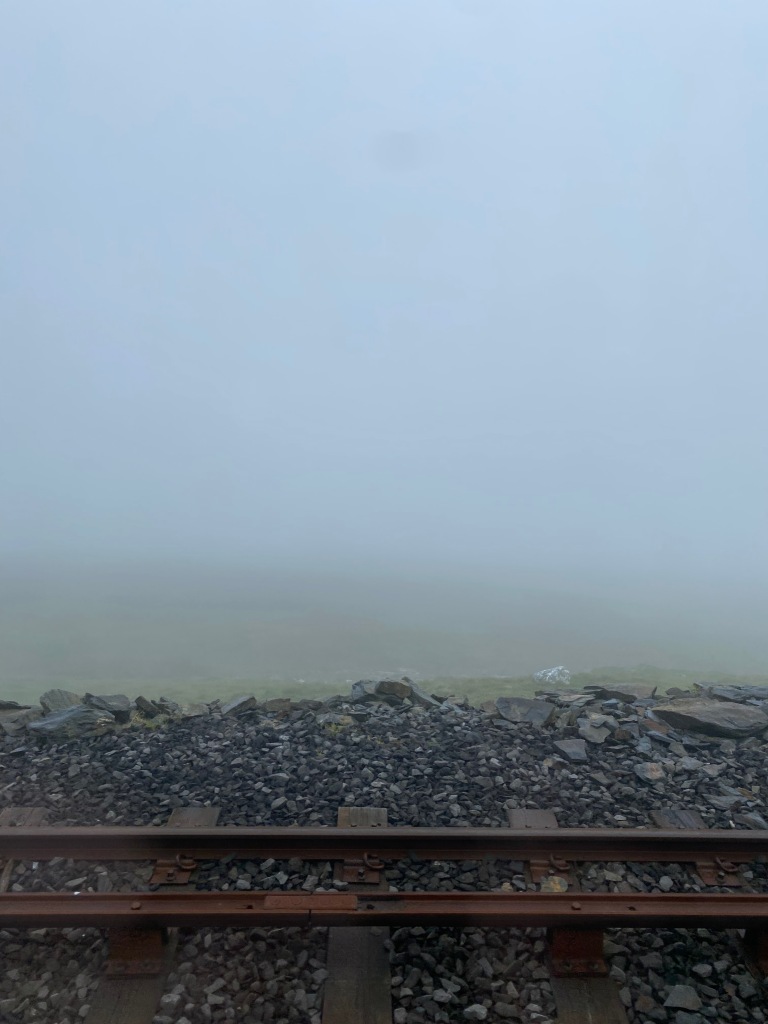
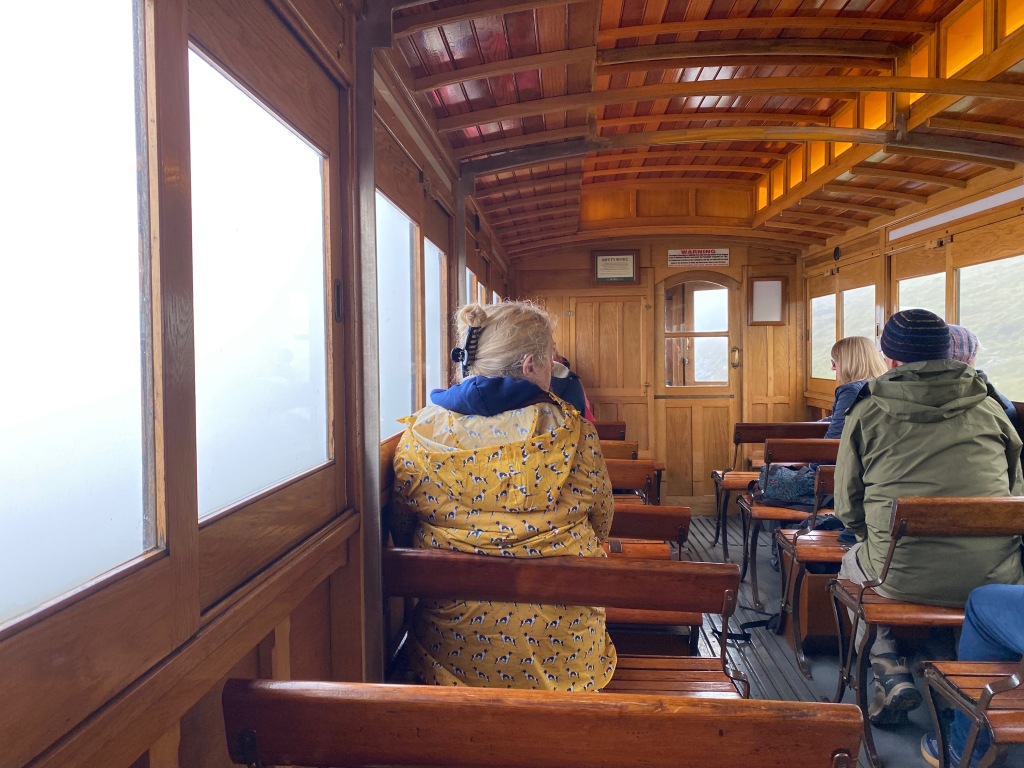
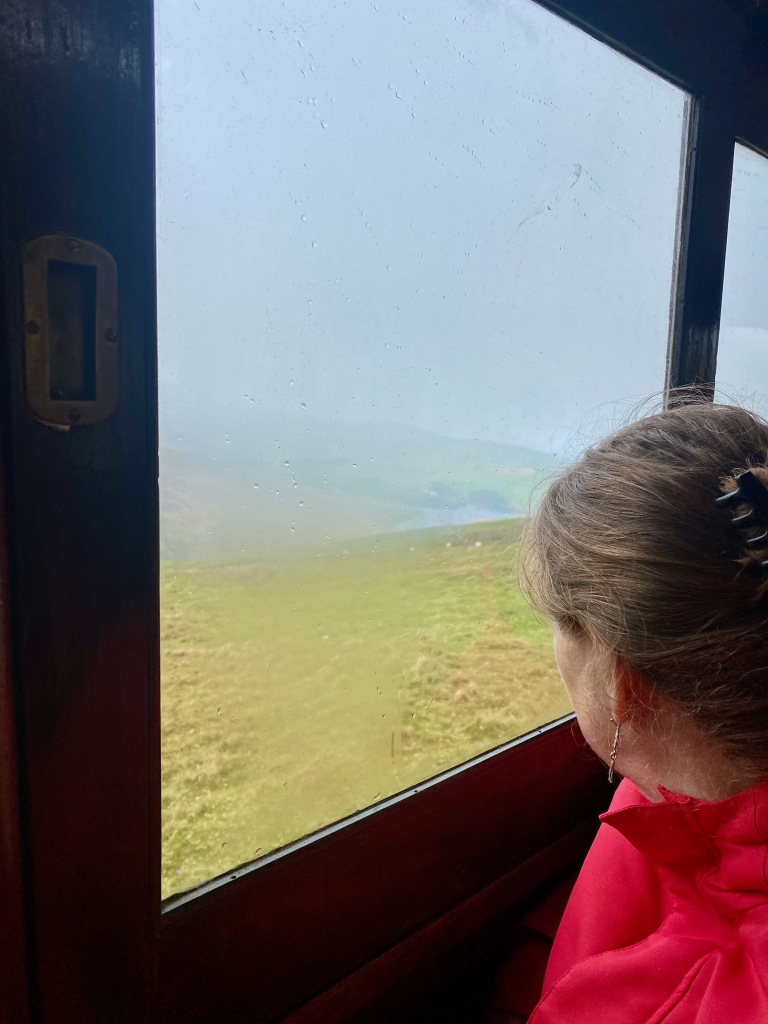
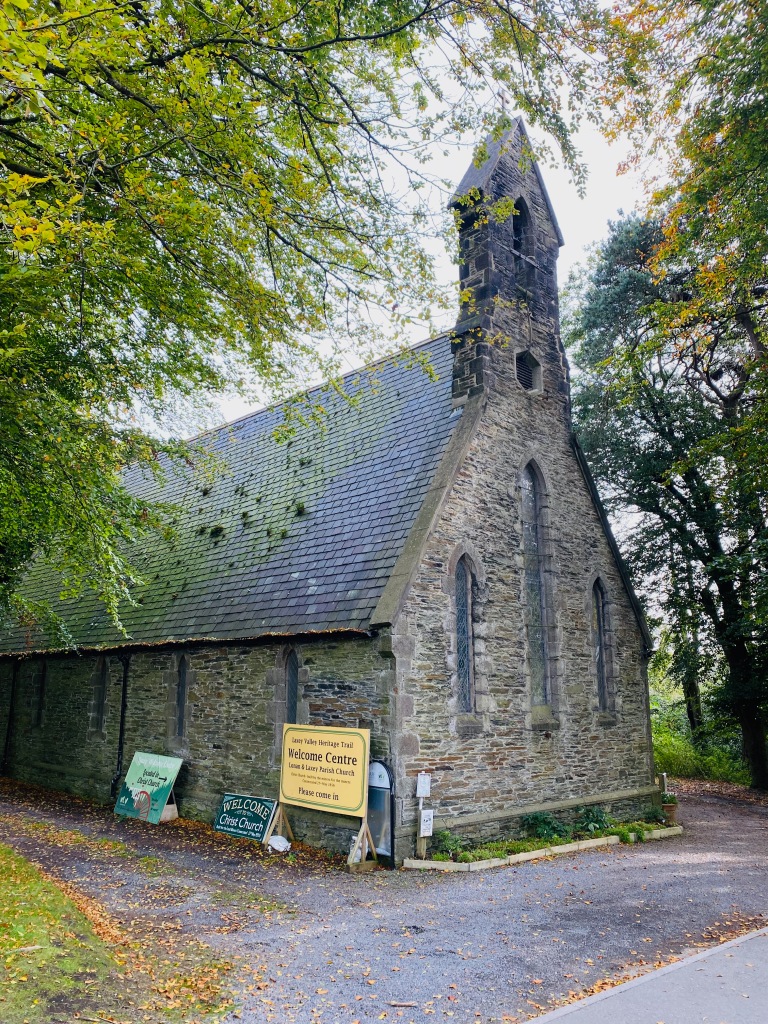
On Tuesday morning, we boarded the Manx Electric Railway in Douglas for a trip to the northeast end of the island. Along the way we stopped at Laxey to board the electric railway that goes to the summit of Snaefill. The peak is the highest on the island, 2,036 feet above sea level. On the way up we could see the Laxey Wheel, the largest water wheel in Britain. It was built in 1854 to pump water out of the nearby mines. Further up we could see the Snaefell Mine, where the train recording told us 20 miners died in 1897 from carbon monoxide poisoning. As we drew nearer to the summit, we entered the cloud cover and when we reached the top, the winds were blowing at 45 mph! As you can see from the video, it was a wind that could blow you off your feet. On a clear day you are supposed to be able to see “Seven Kingdoms” from the summit—the Isle of Man, Wales, England, Scotland, Ireland, the Sea and the Heavens. On that day we could barely see one! Back at the Laxey station was Christ Church, built by and for the miners in 1856 out of stone produced by the mines. The mines there produced lead, zinc, copper and silver for export to England and Wales.
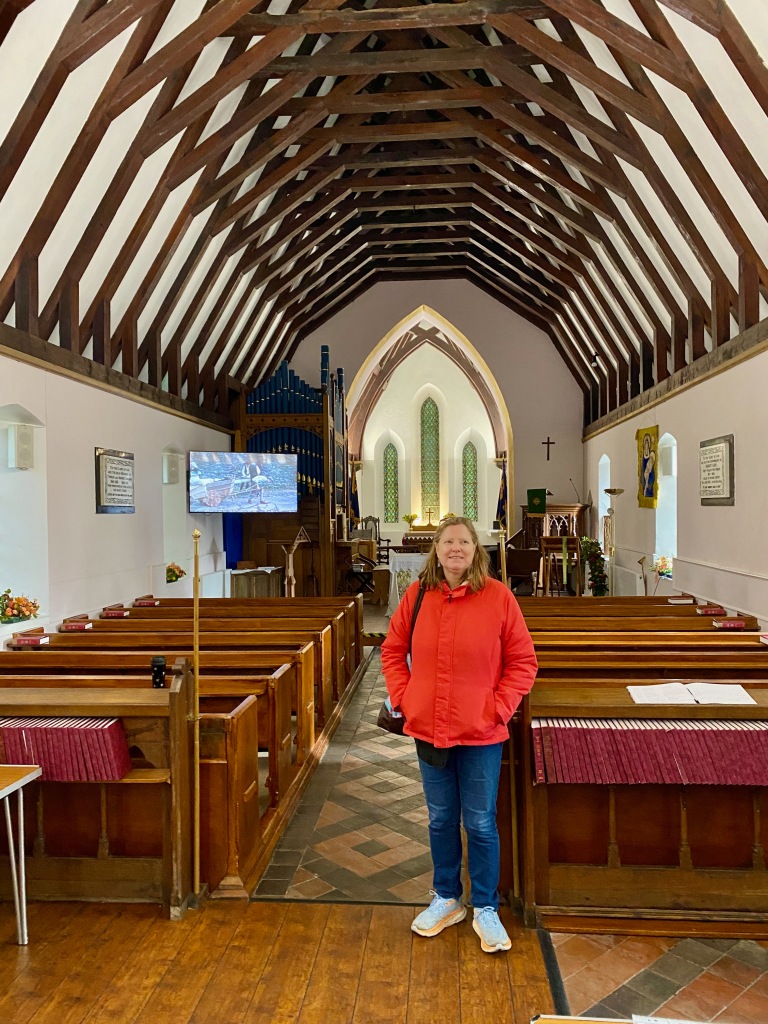
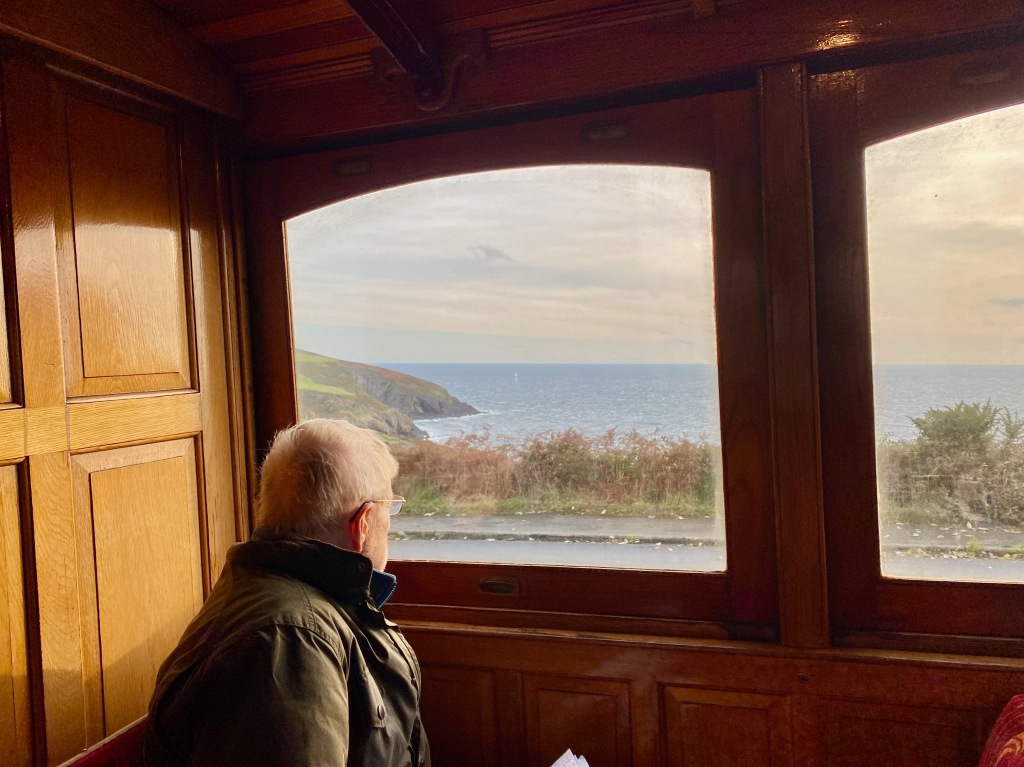
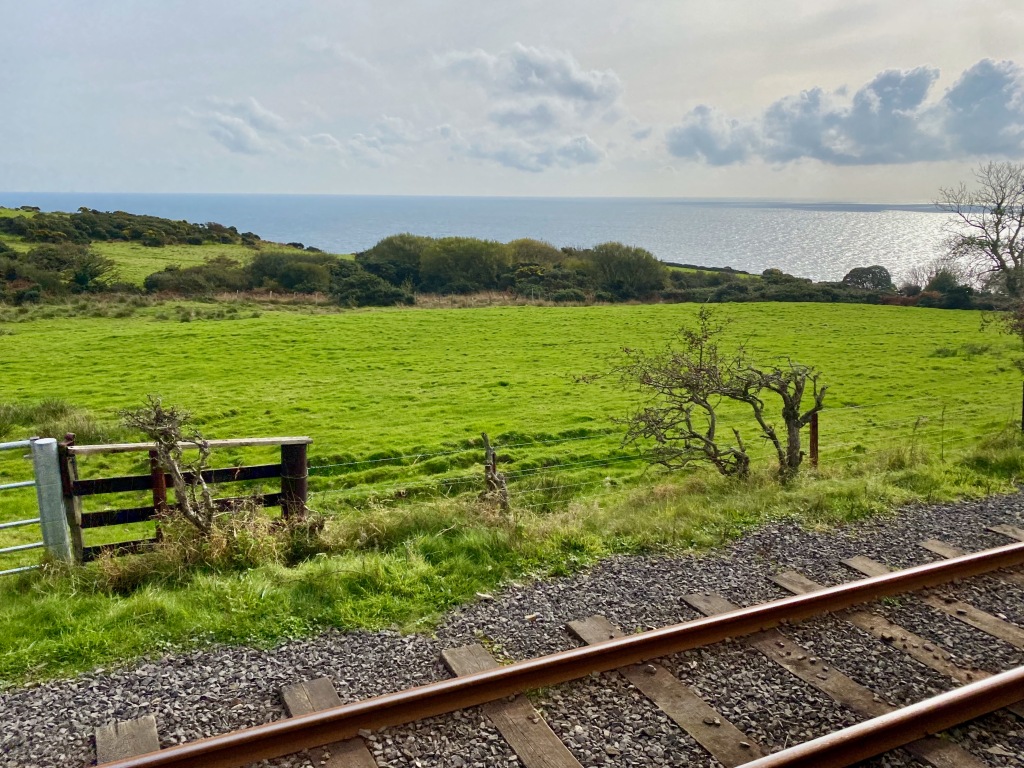
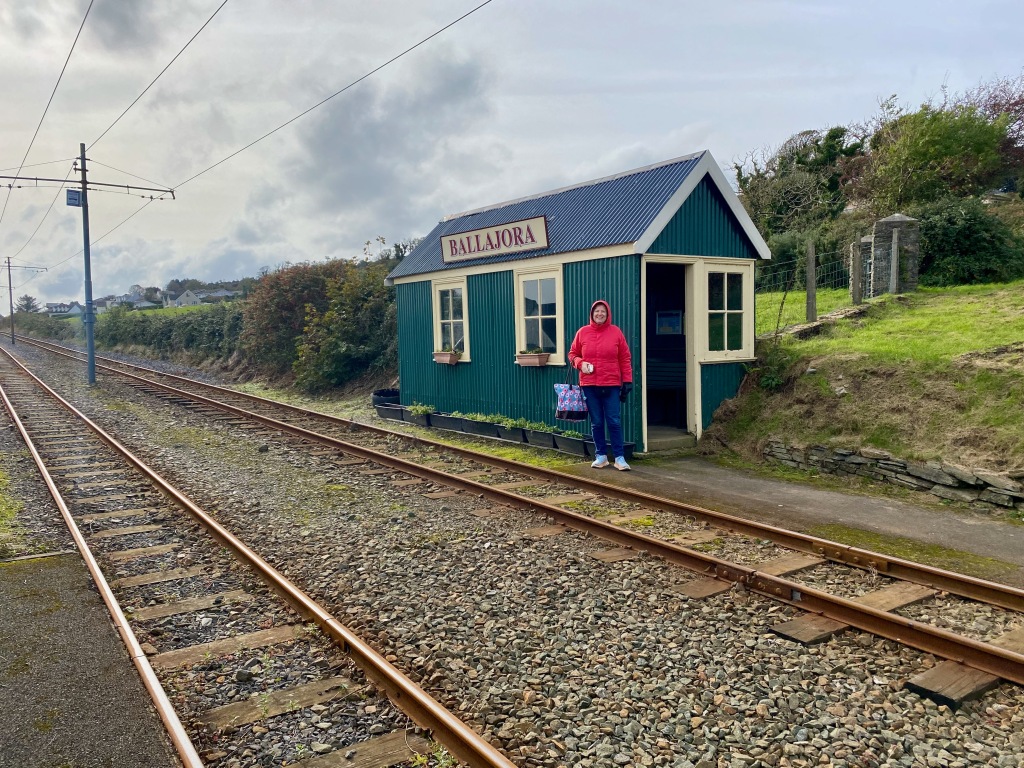
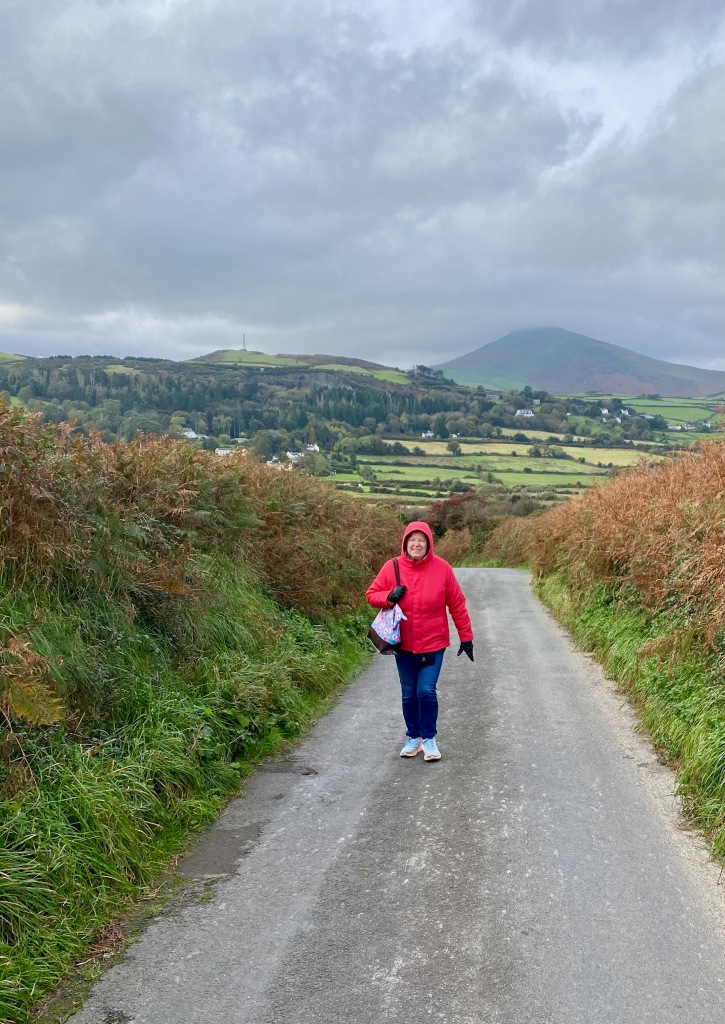
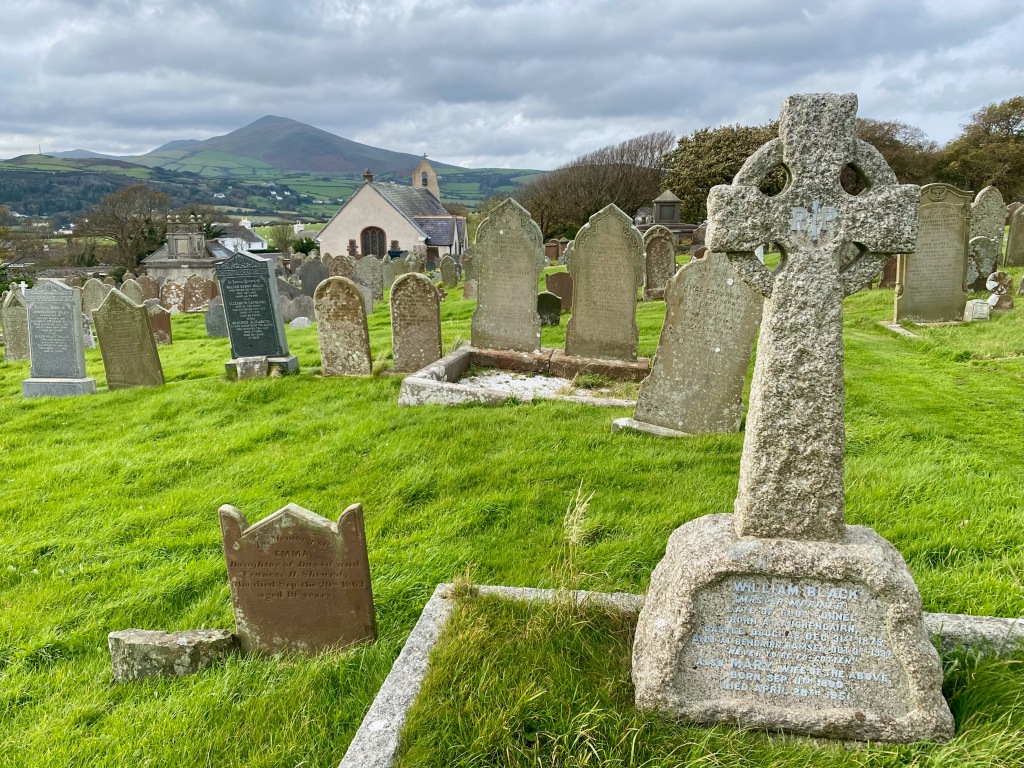
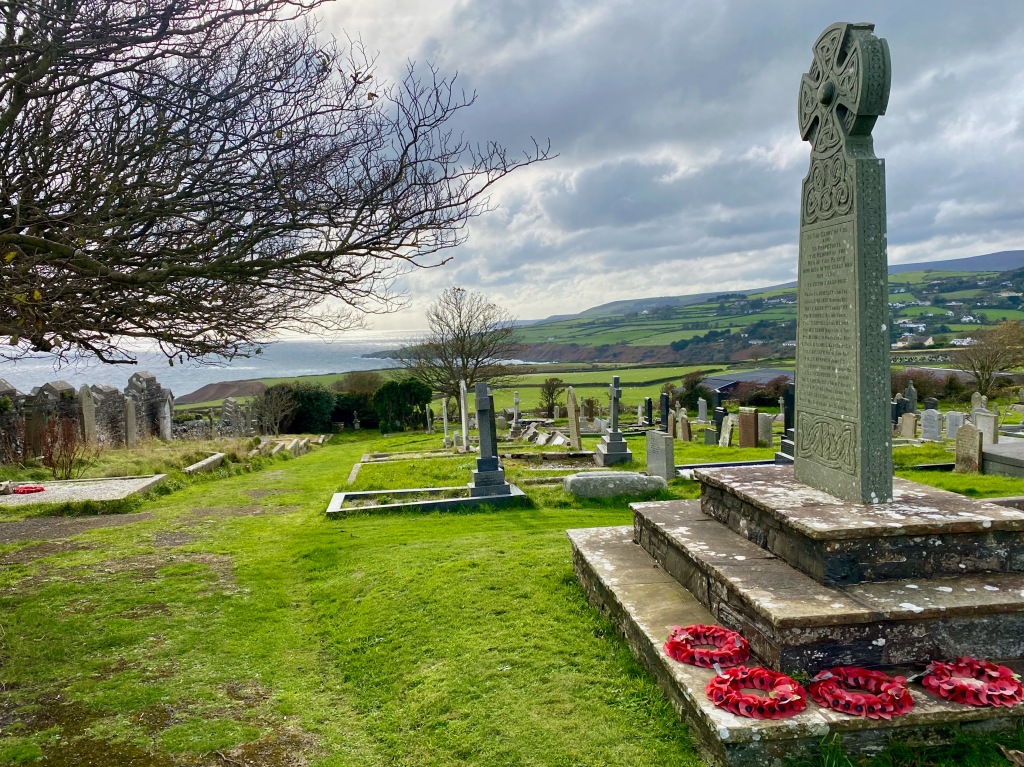
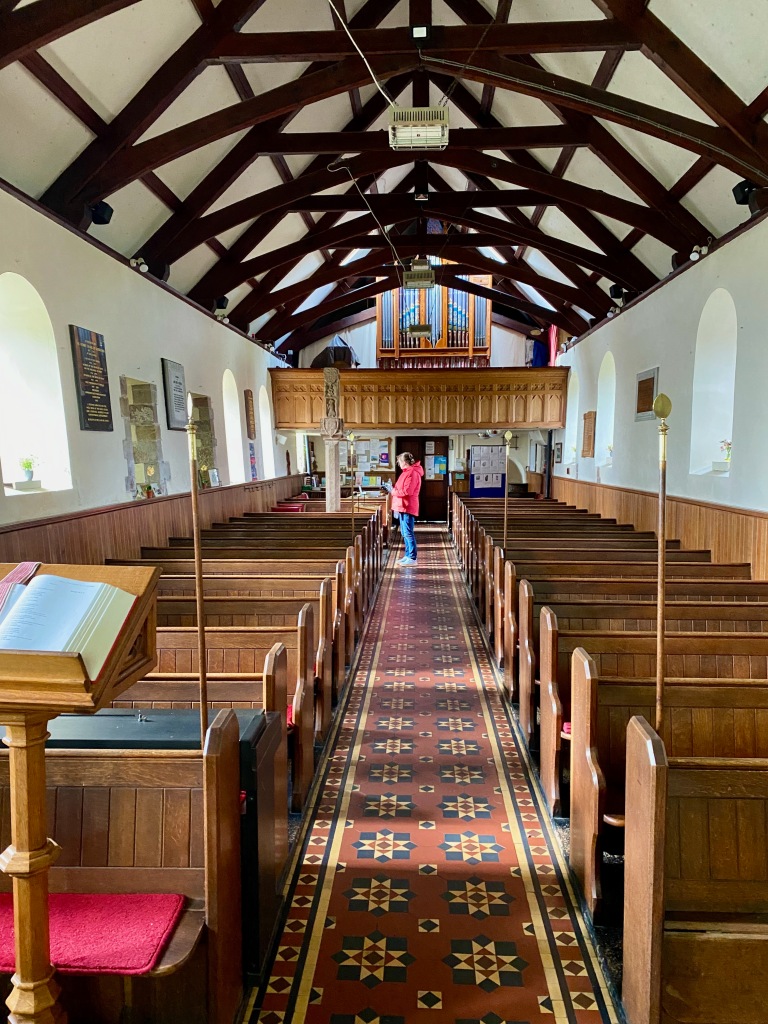
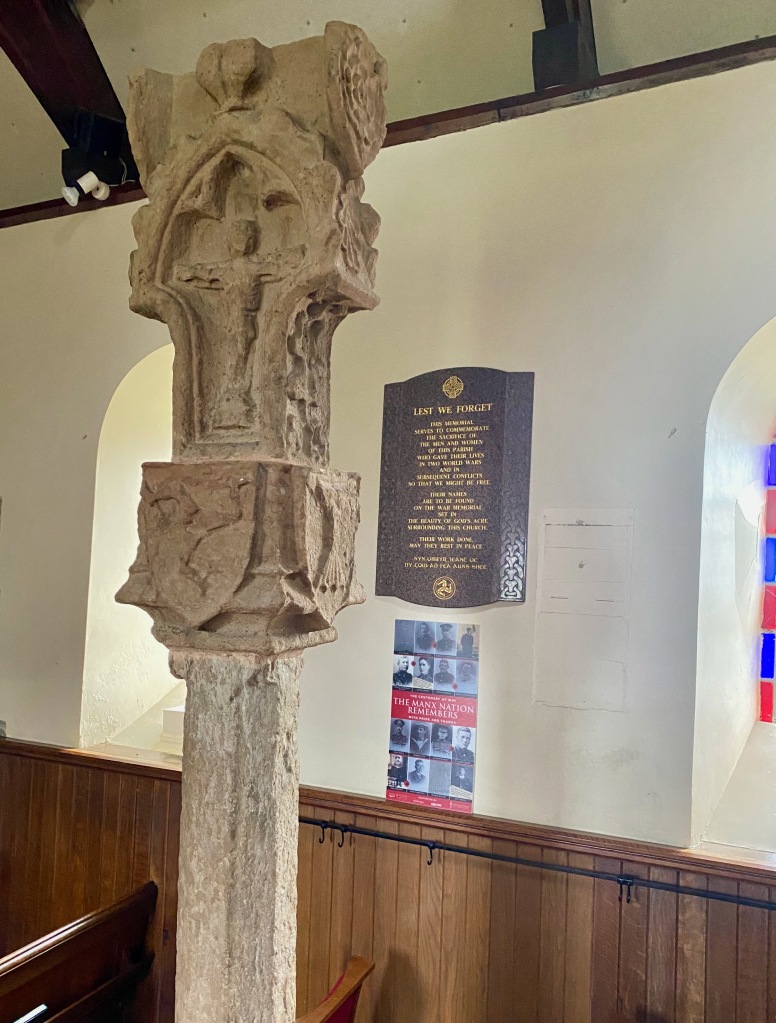
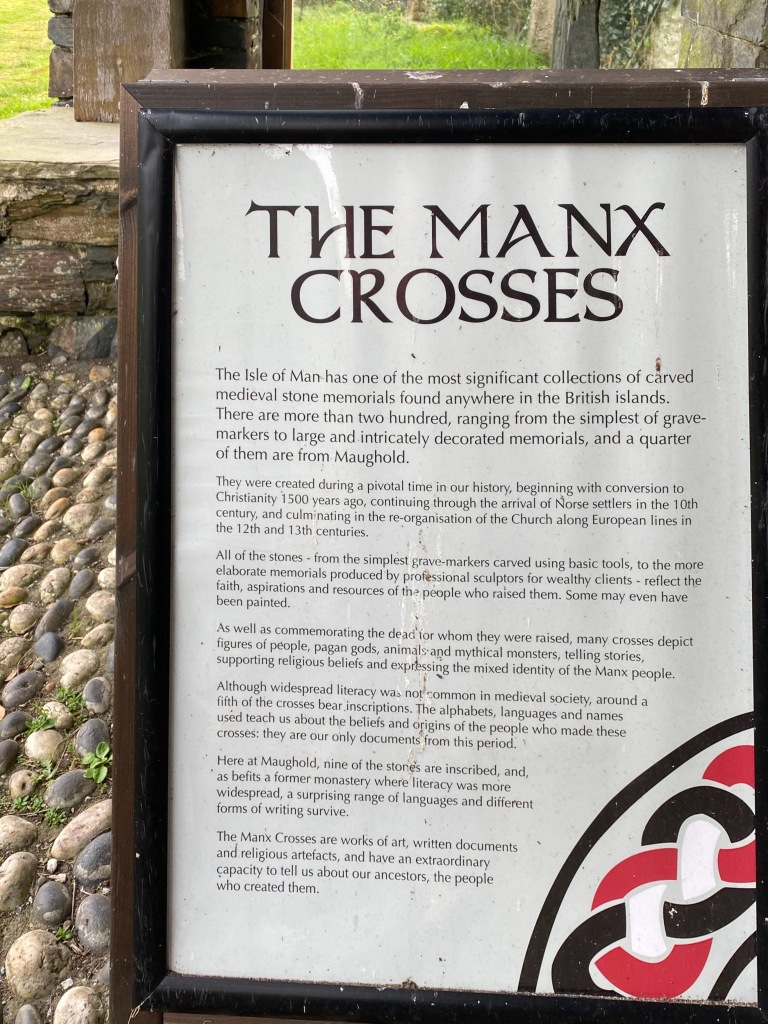
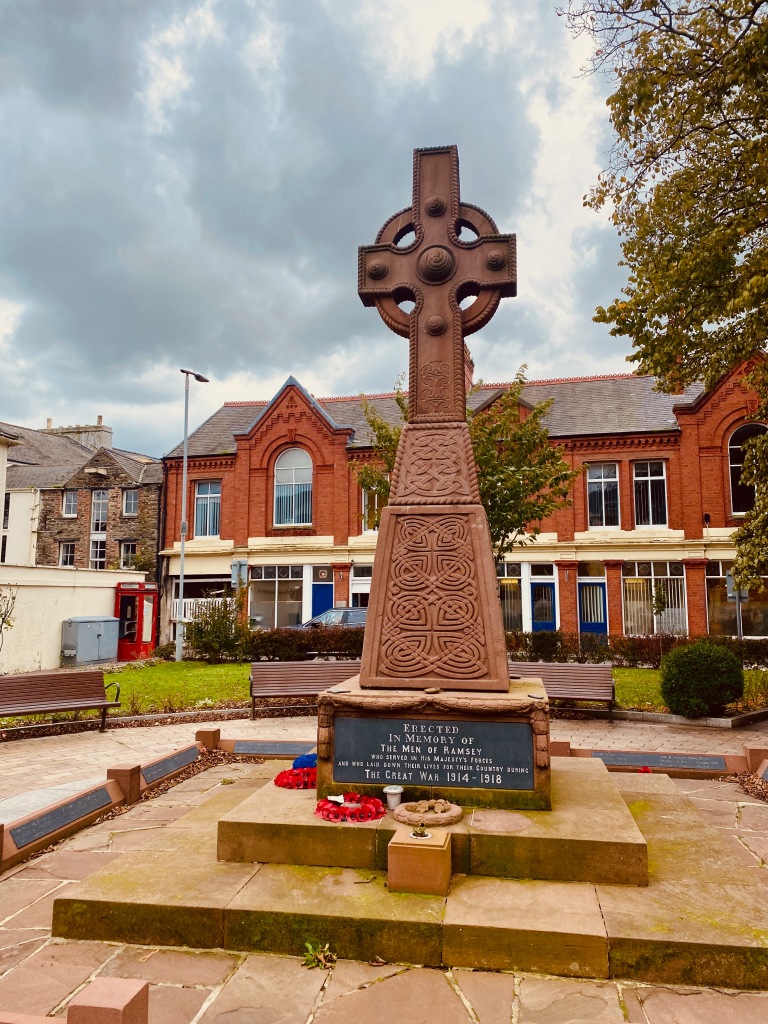
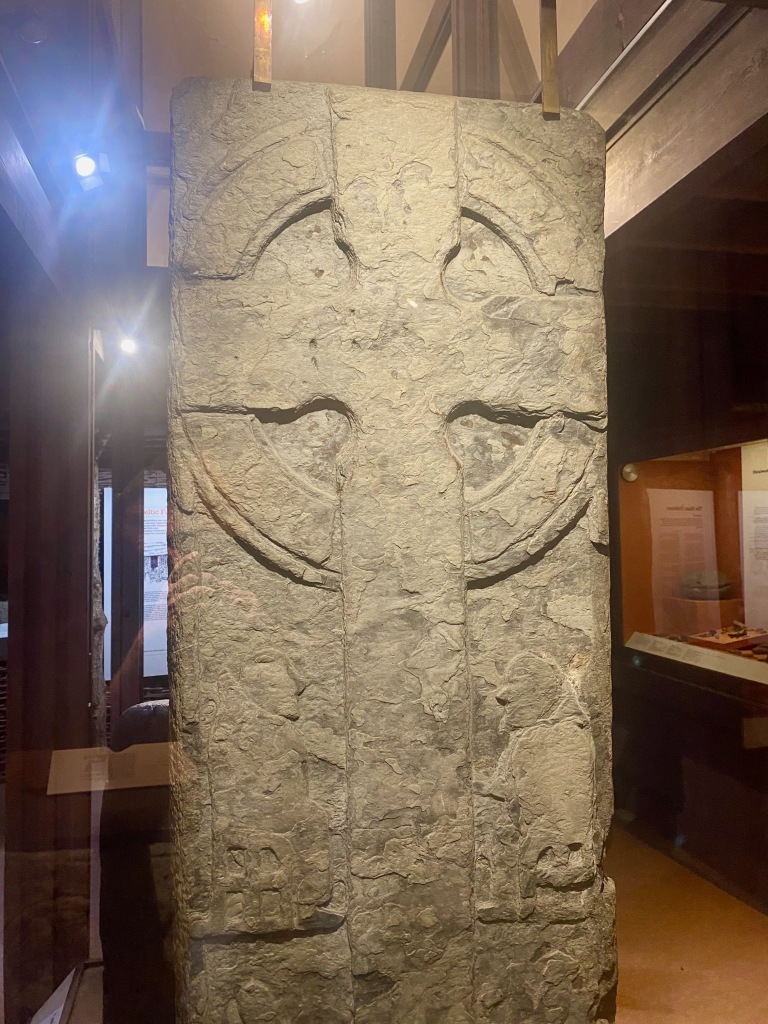
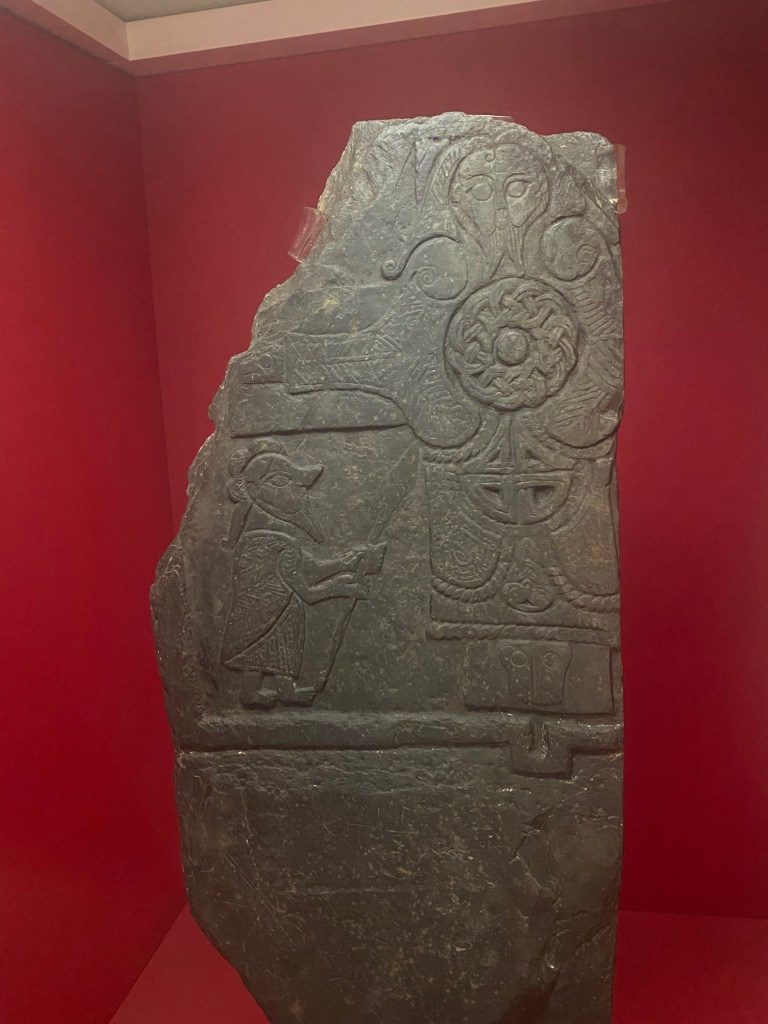
Back on the train heading north we climbed the hills for beautiful vistas of the Irish Sea. We alighted from the train at an isolated station called Ballajora. From there we walked about 25 minutes through the countryside to visit a church and cemetery at the small village of Moughhold. The Kirk Maughold Church there is surrounded by a graveyard known as “God’s Acre” and a large collection of historical Celtic crosses. One of the more notable ones can be found in the Manx Museum in Douglas (see below). We ended the rail journey at Ramsey, where we had soup and a dessert and walked along the waterfront. We then hopped a bus back to Douglas, where I cheered the England football team in the otherwise quiet Thirsty Pigeon pub as it beat Italy 3-1.
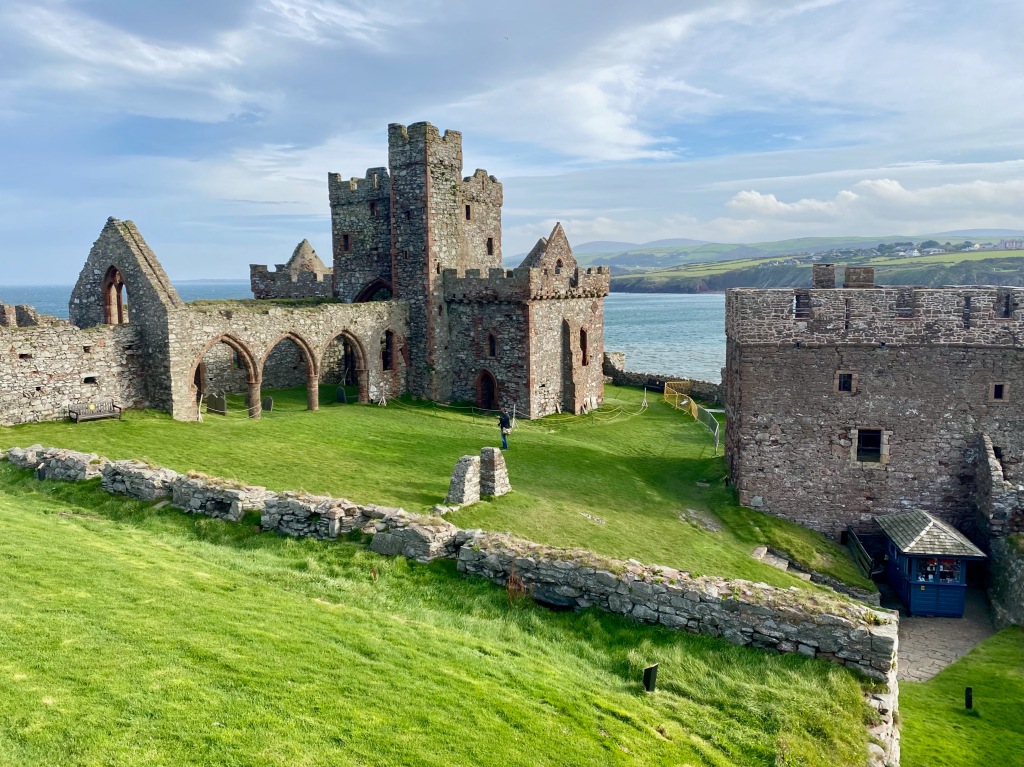
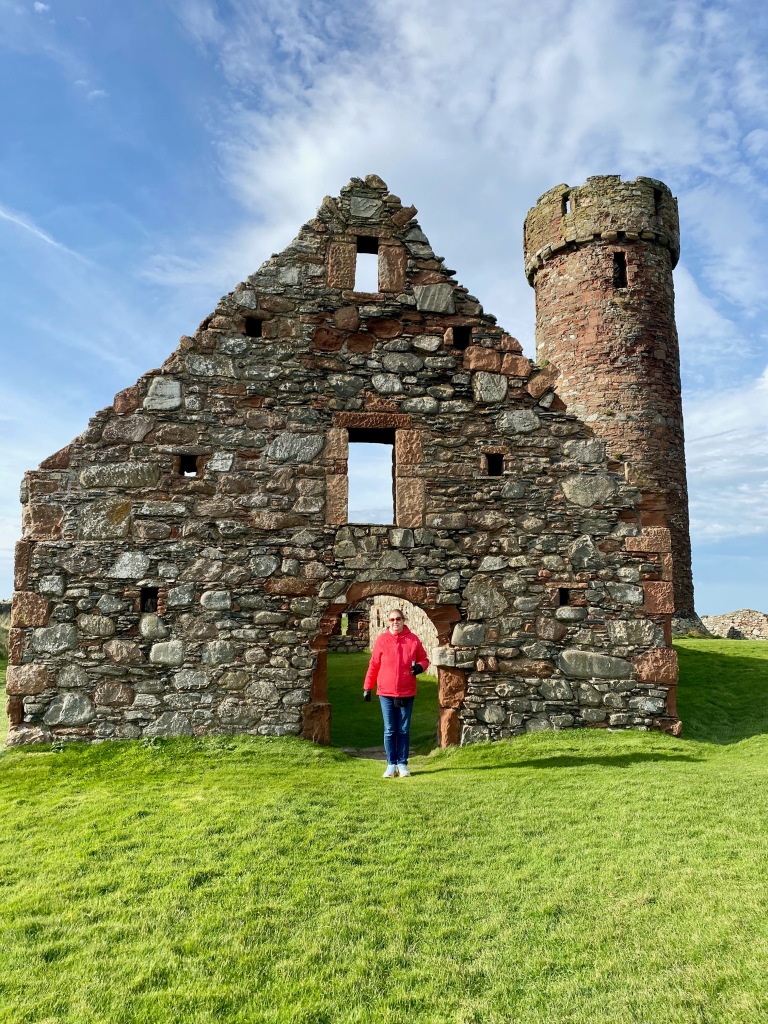
On Wednesday, we caught a bus for Peel on the west side of the island. Along its rugged coast, on the small St. Patrick’s Island, sits Peel Castle. This is one of the most sublime spots we’ve visited. It’s hard to beat the combination of impressive ruins of a fort and cathedral set alongside rocks and green hills and the sea. The castle’s round tower and first chapel date from the 10th and 11th centuries A.D. and the larger St. German Cathedral from 1200s. Over the centuries, St. Patrick’s Island has housed priests, prisoners, soldiers, and lords. We went from the castle to a waterfront kiosk where we ate a lunch of tea and chip baps (French fries in a bun—yumm!).
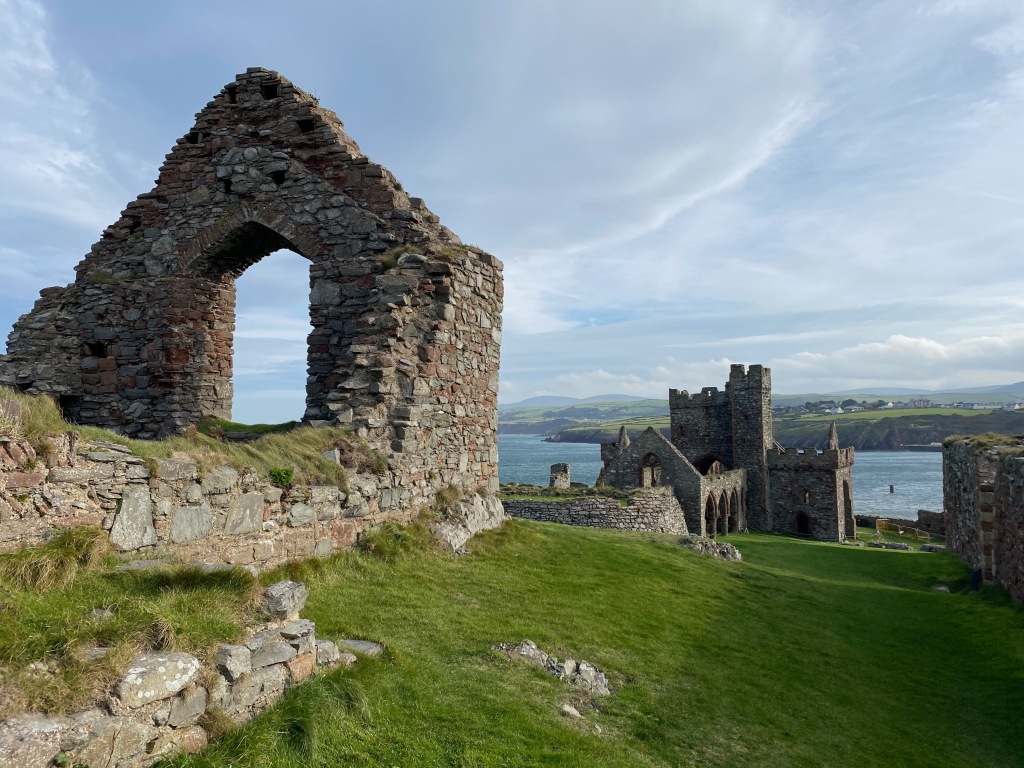
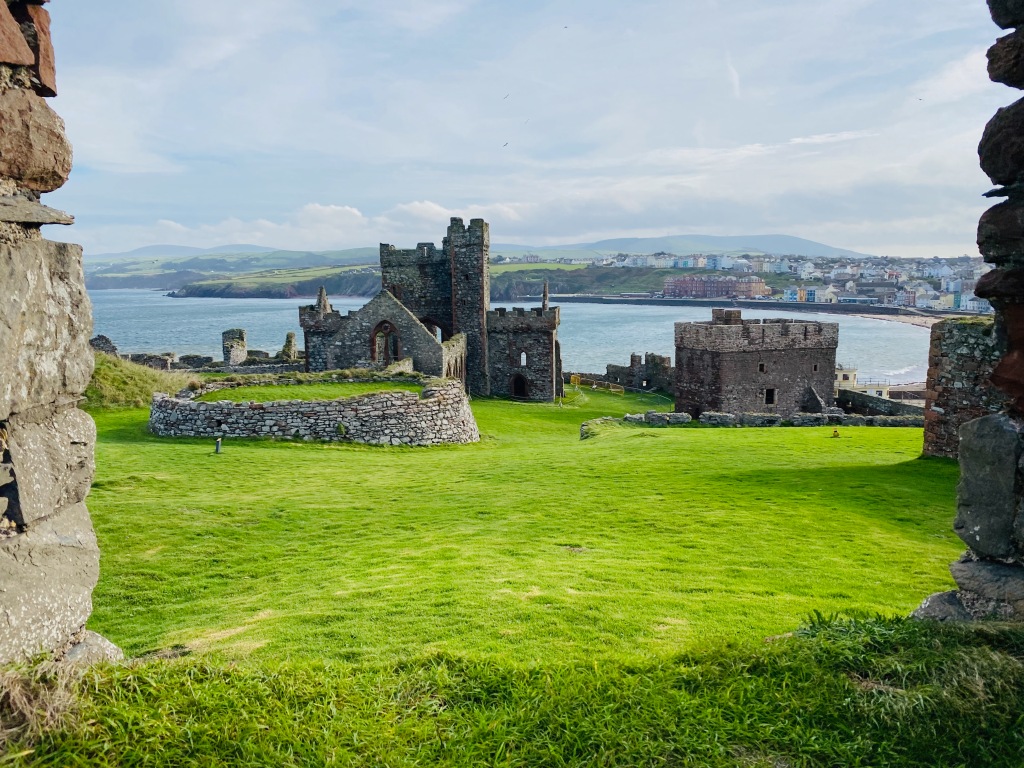
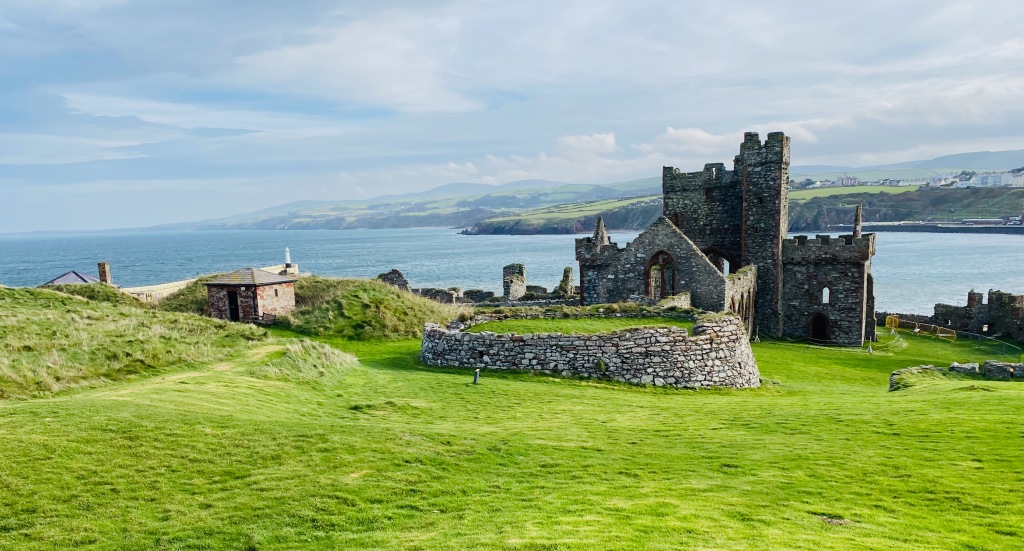
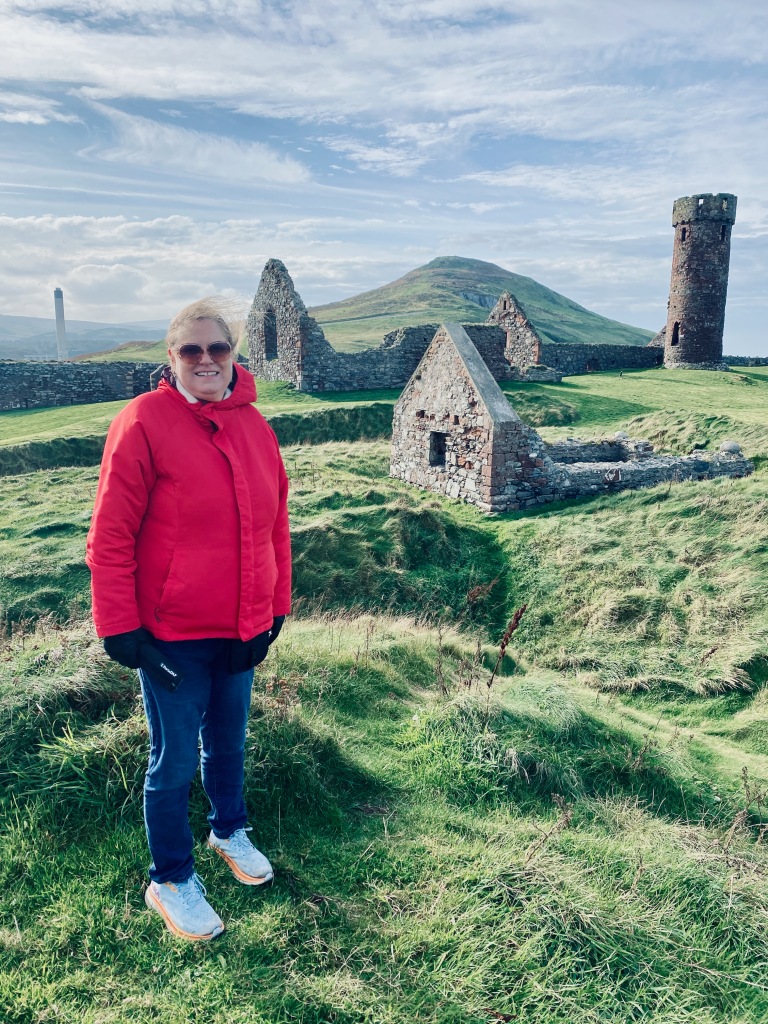
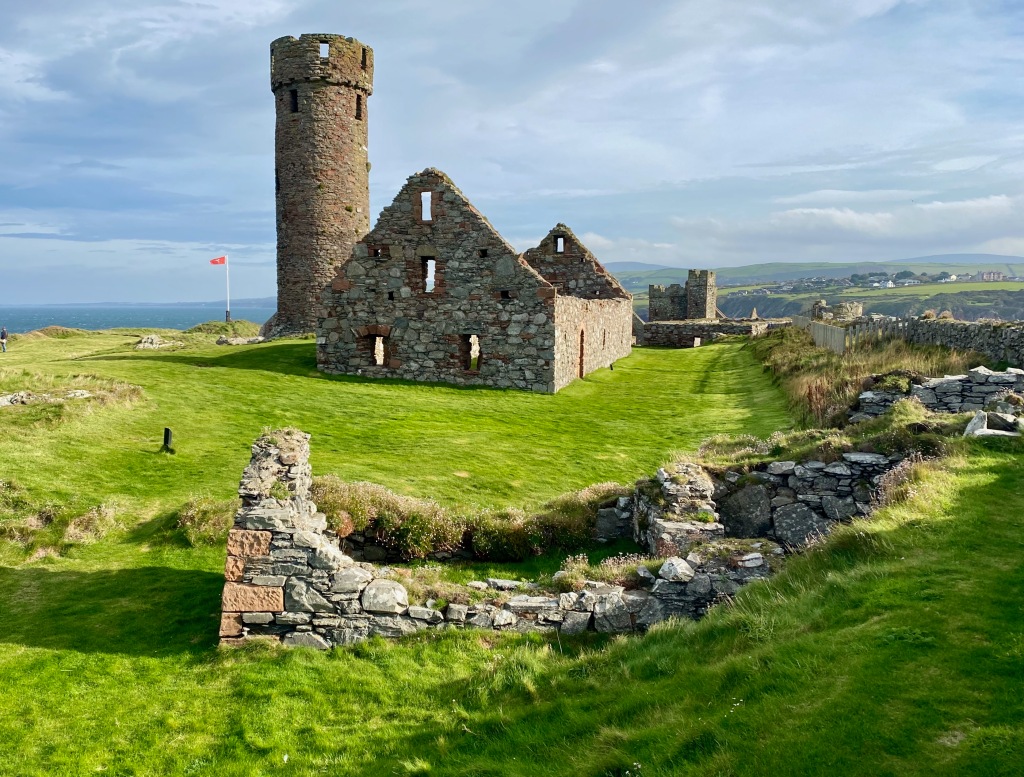
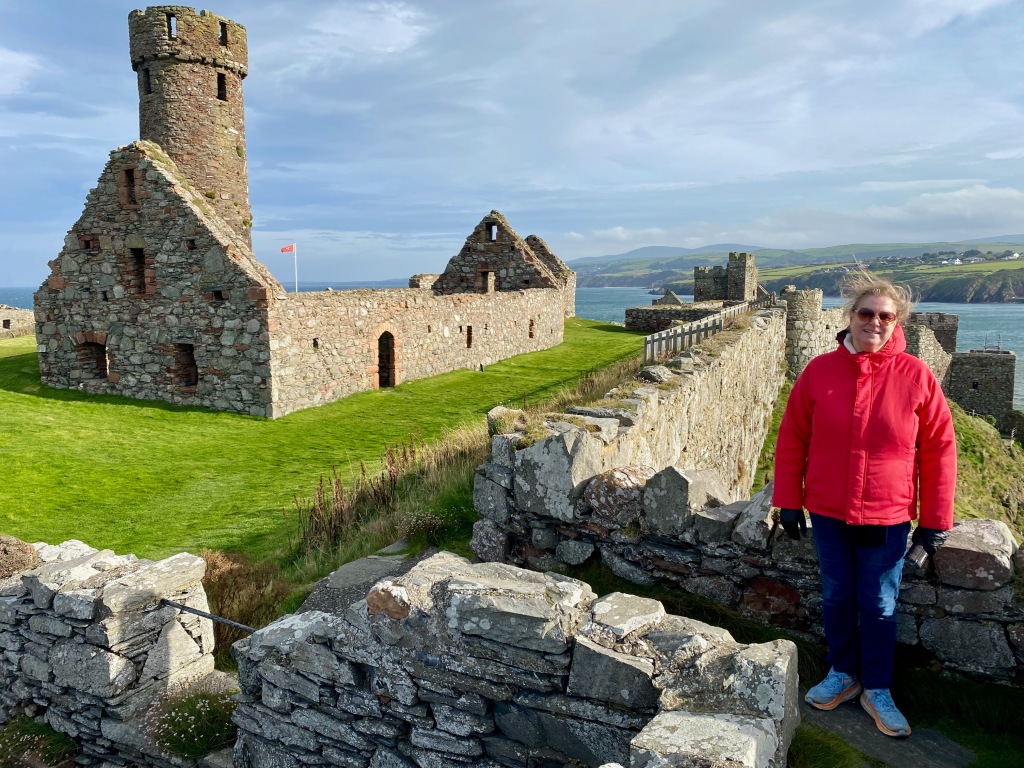
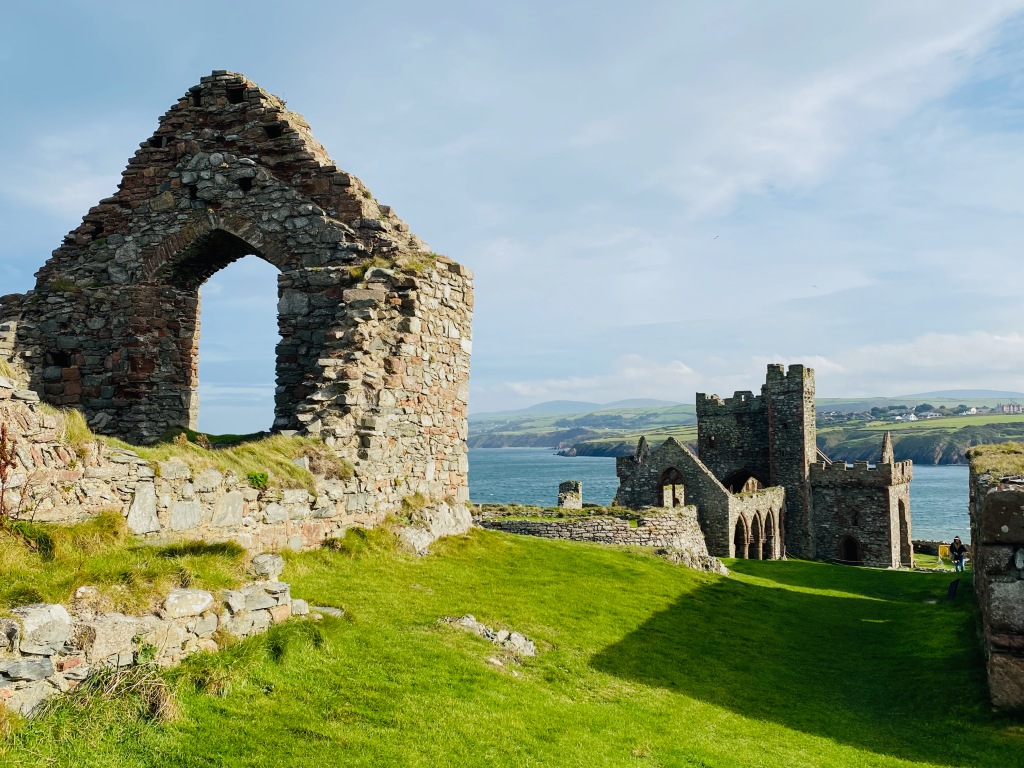
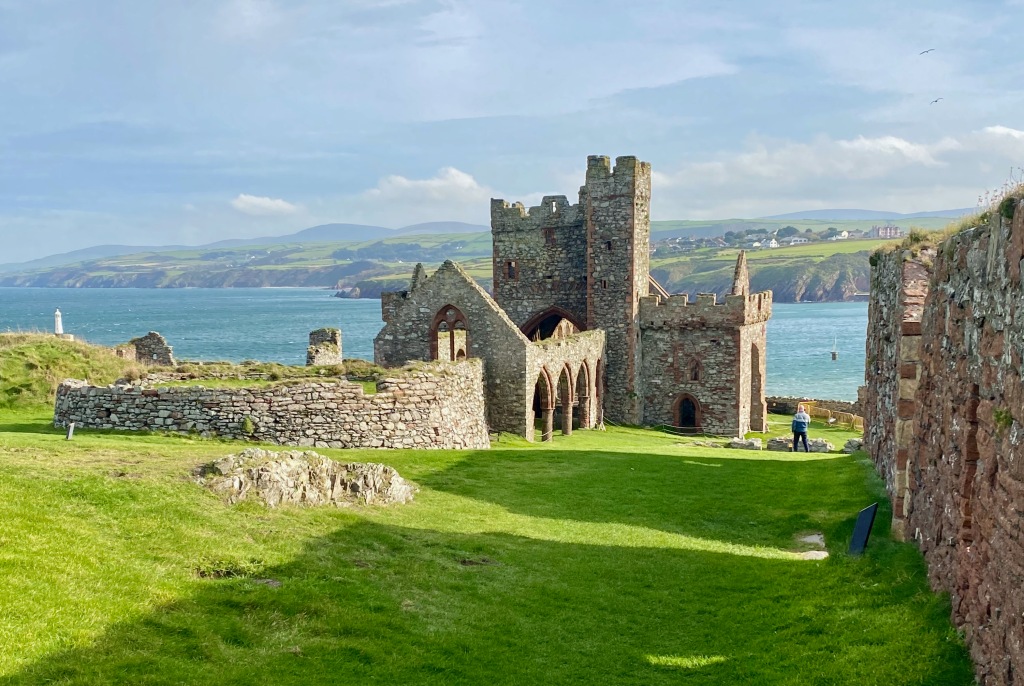
In the afternoon, we wandered through the House of Manannan, a museum in Peel with interesting life-sized displays of early life on the island, highlighting its Viking heritage. From the bus window on the way back to Douglas, we caught a view of Tynwald Hill in St. Johns. Tynwald (Old Norse for “assembly field”) is the original governing body of the island dating back to the period of Viking rule more than a thousand years ago. It is claimed to be the oldest continually sitting parliamentary body in the world and it still governs the internal affairs of the island, a self-governing British Crown Dependency. The Tynwald now meets in Douglas but every year on July 5 it assembles at Tynwald Hill where new laws are read and the public can present petitions. We saw film footage of Queen Elizabeth II and Prince Philip participating one year.
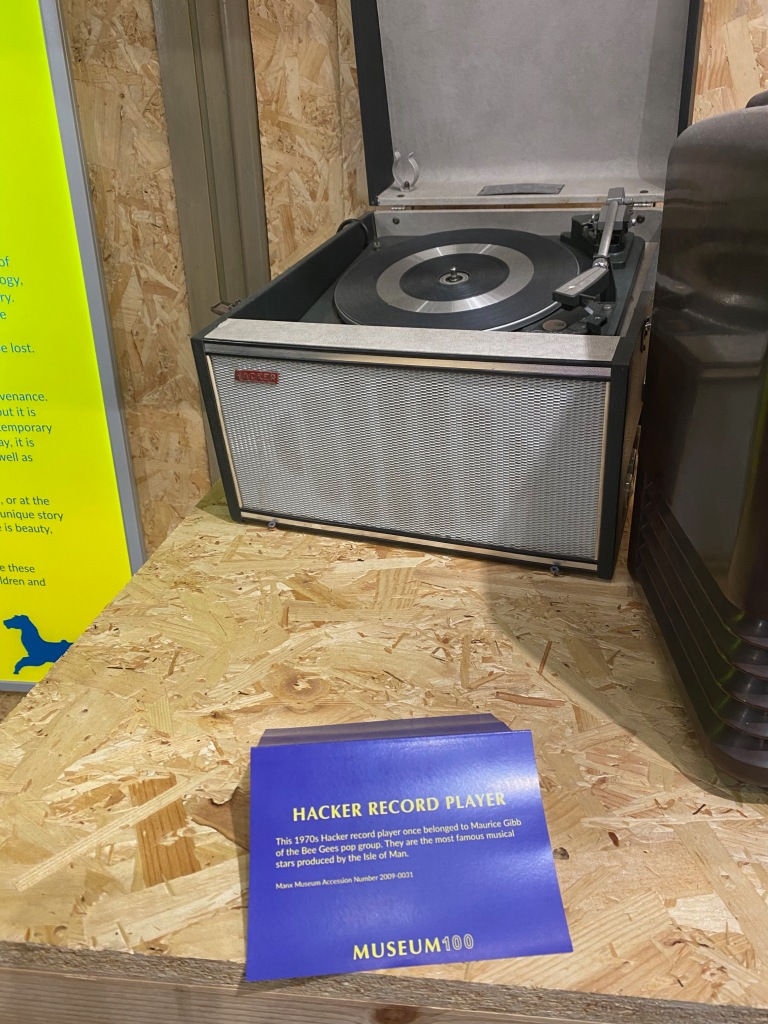
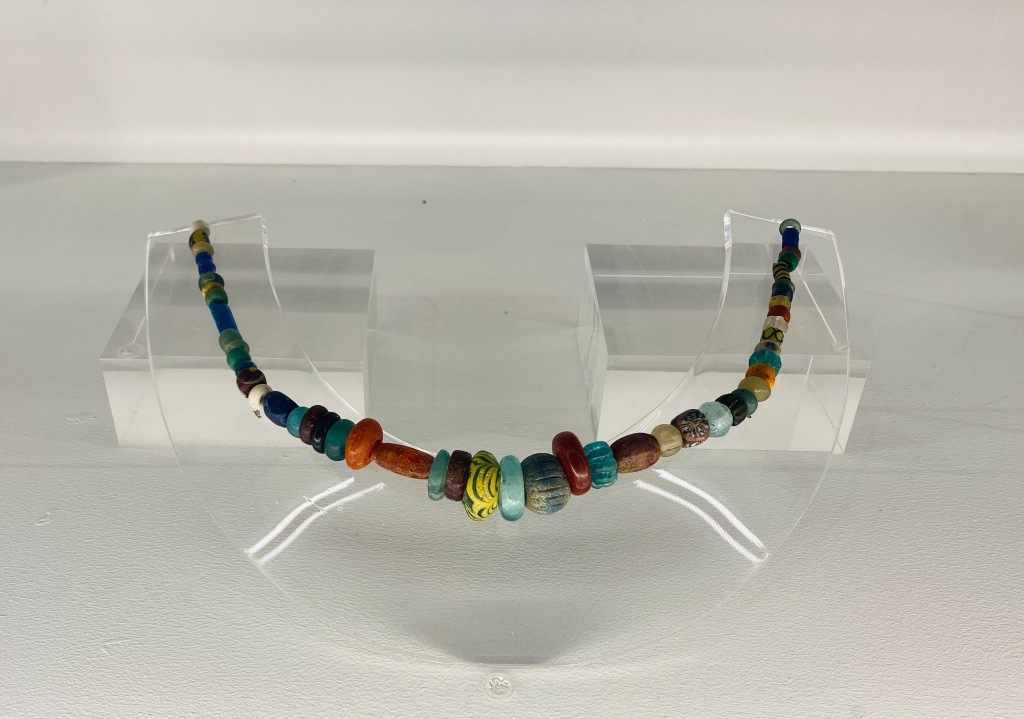
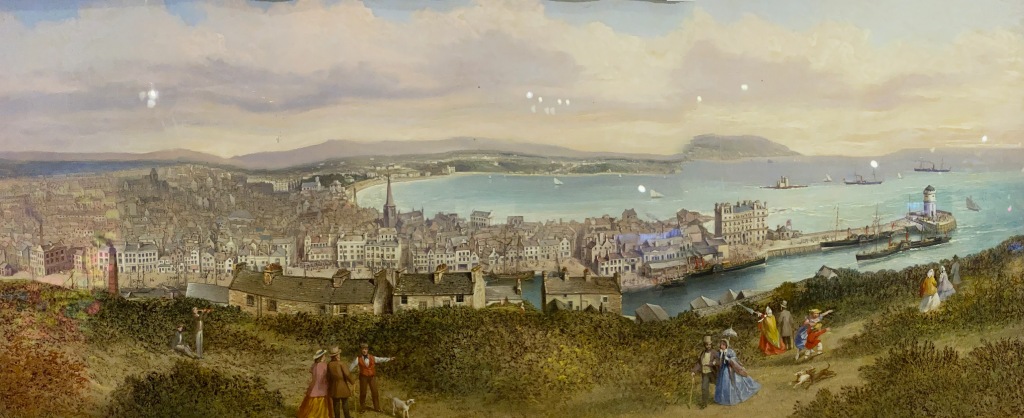
On Thursday, our last morning on the island, we walked to the Manx Museum in Douglas. It was full of interesting displays about the island’s history and natural features. Among the more interesting items: a 1970s Hacker record player once owned by Maurice Gibb; a Celtic cross from Moughold dated to the eighth or early ninth century A.D.; and a necklace of colorful beads found in the grave of a woman who was buried around 930 A.D. near the cathedral at Peel Castle. The woman is known as “The Pagan Lady” because Christians at the time were not normally buried with objects.
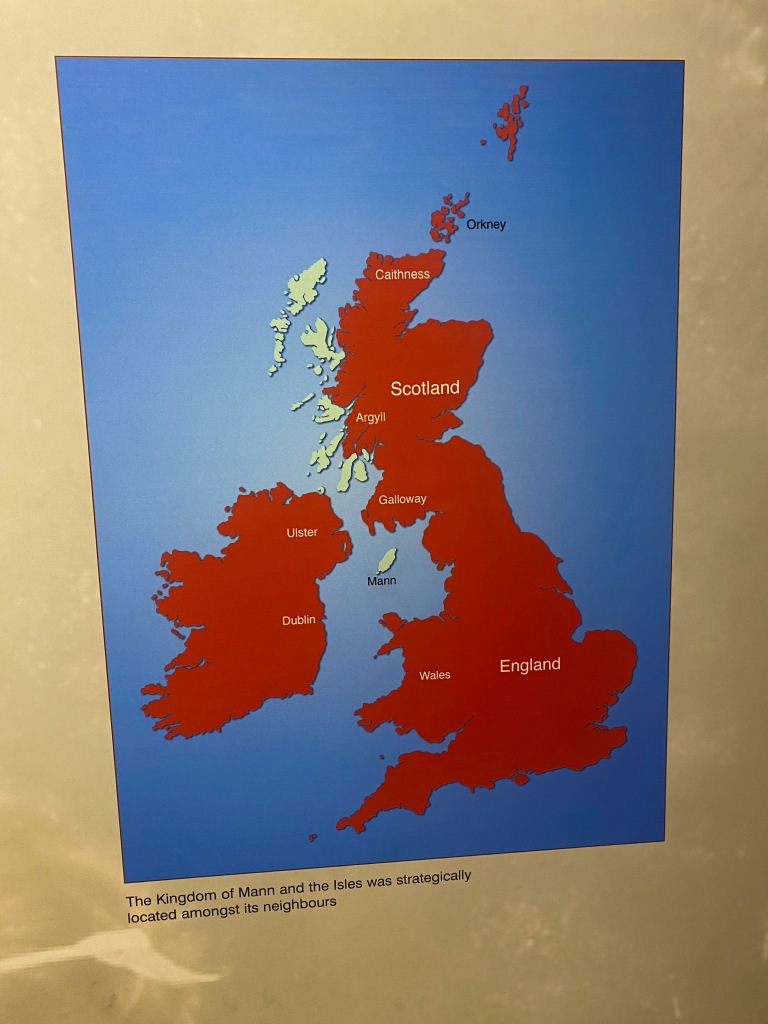
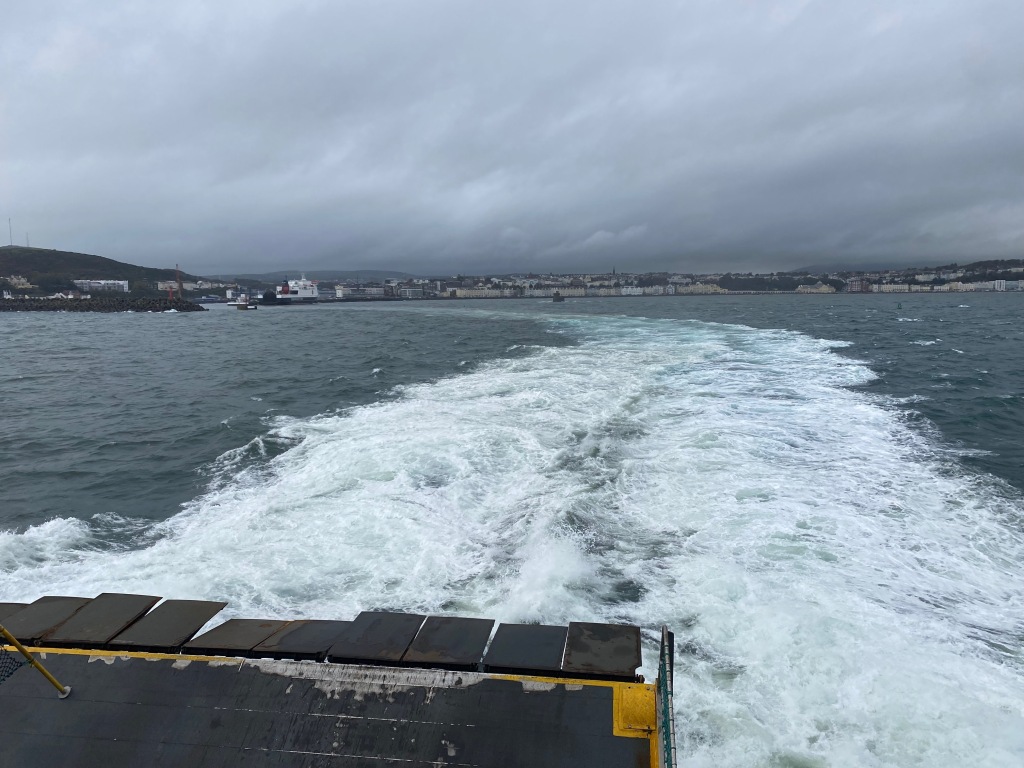
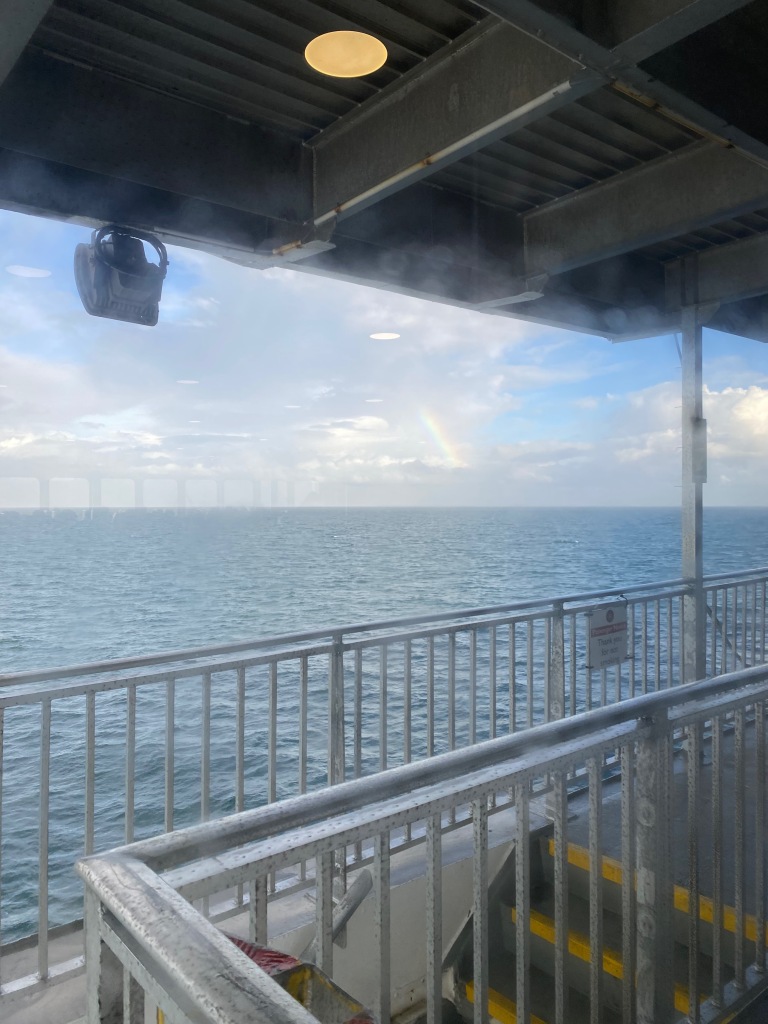
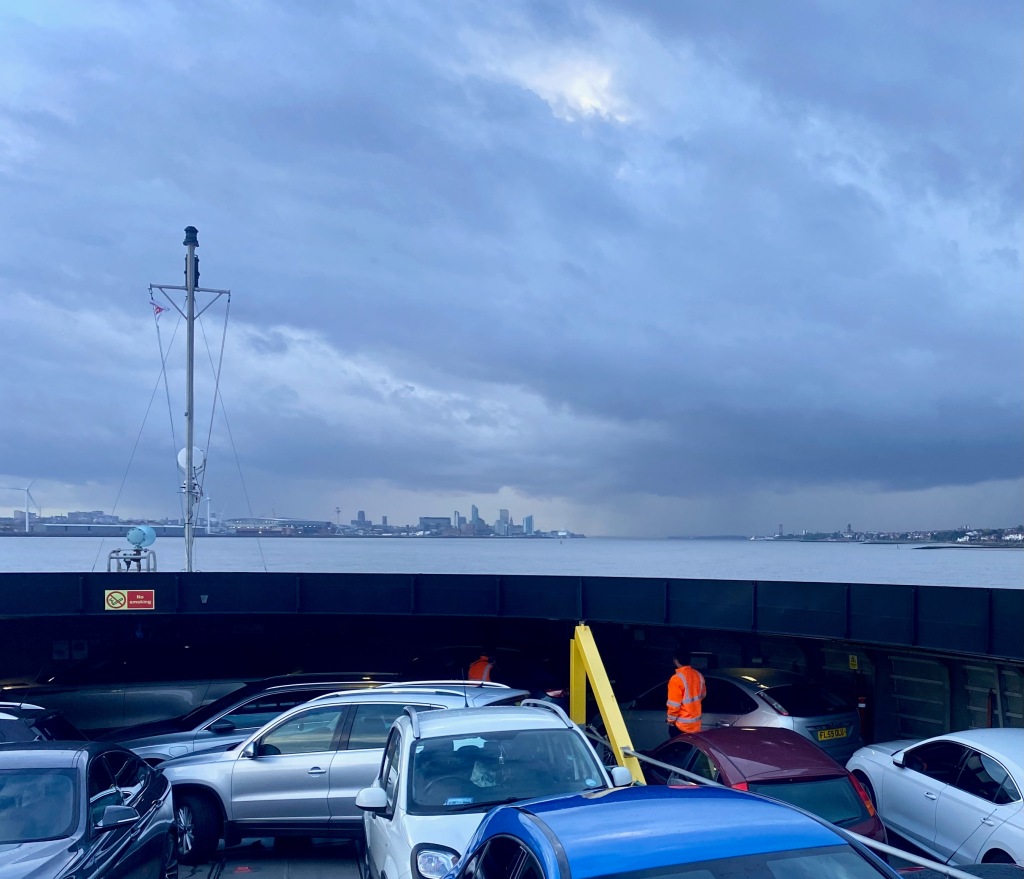
From the museum we stopped at the hotel to gather our things and head to the terminal to catch our 2 p.m. ferry back to Liverpool. The island is served by the Isle of Man Steam Packet Company Limited, which dates back to 1830. The crossing covers about a hundred miles and took us 3 hours and 15 minutes. It was smooth sailing, with some rain and a brief rainbow as a reward. The Irish Sea between the island and England is not that deep. The island was actually connected to England by a land bridge as recently as 8,000 years ago as the last ice age receded. We arrived in Liverpool on time and with the setting sun breaking through just enough to illuminate my meeting with another famous group of musicians born near the shores of the Irish Sea.
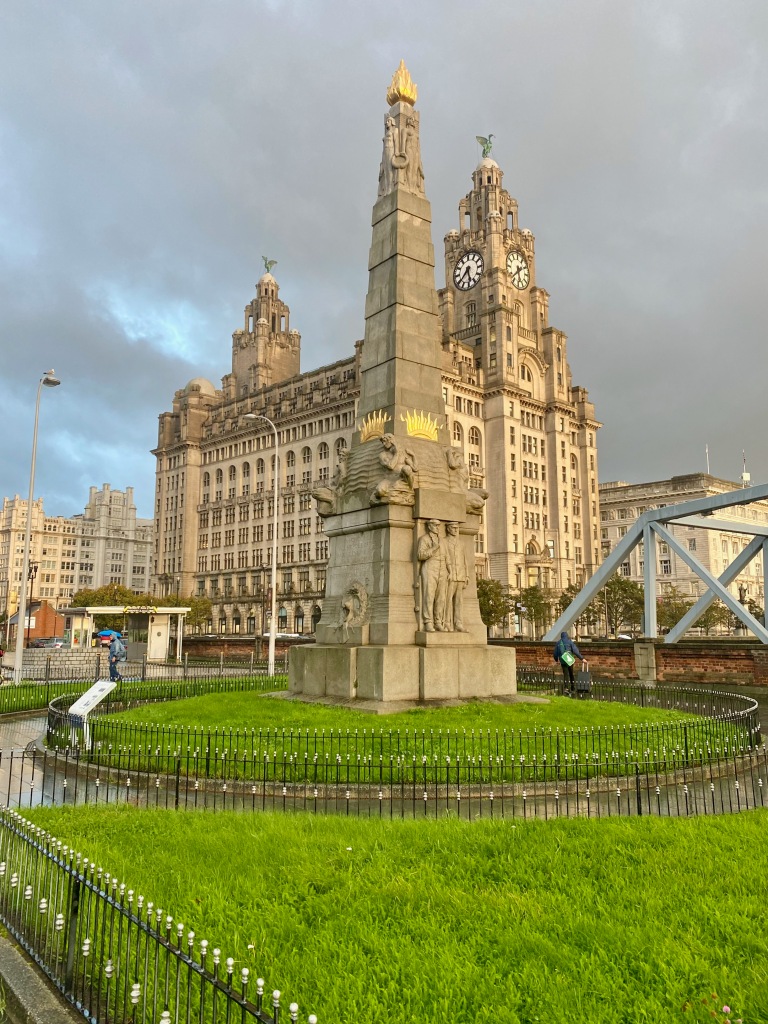
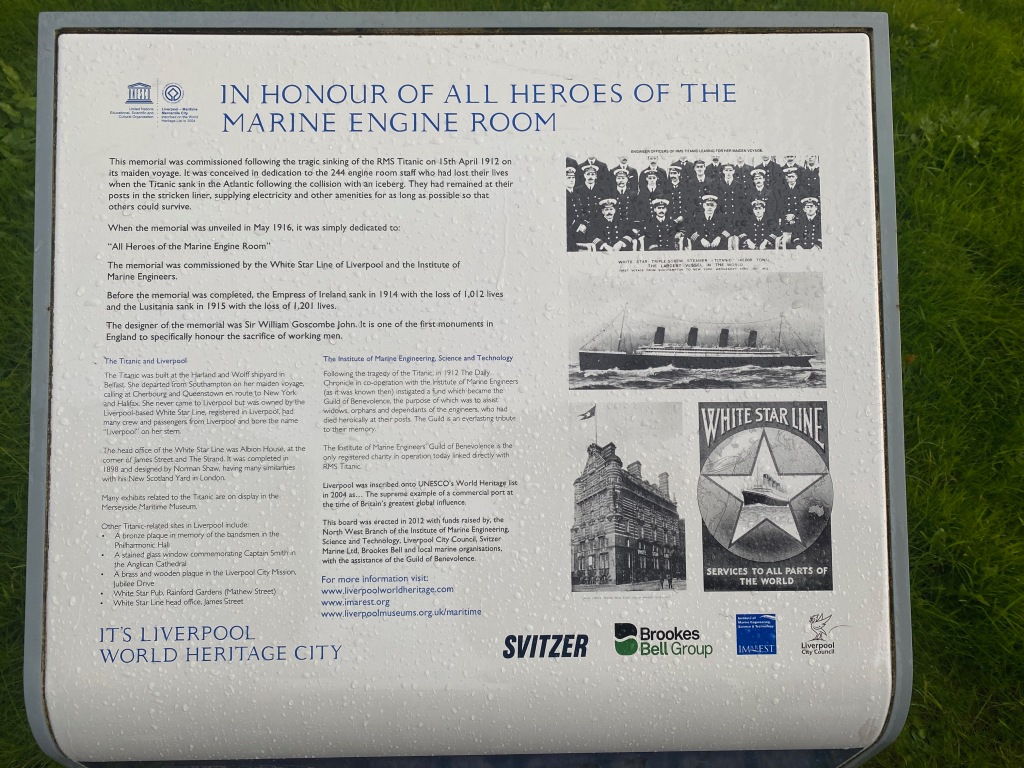
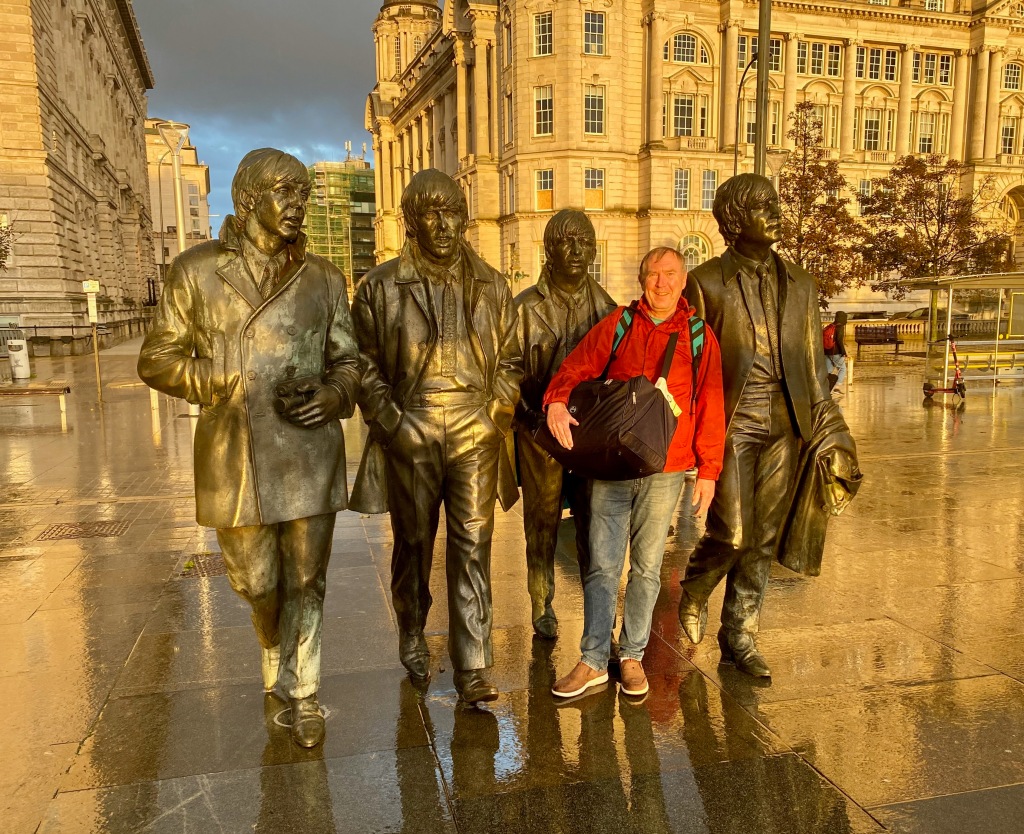
And finally a few loose ends from our visit:
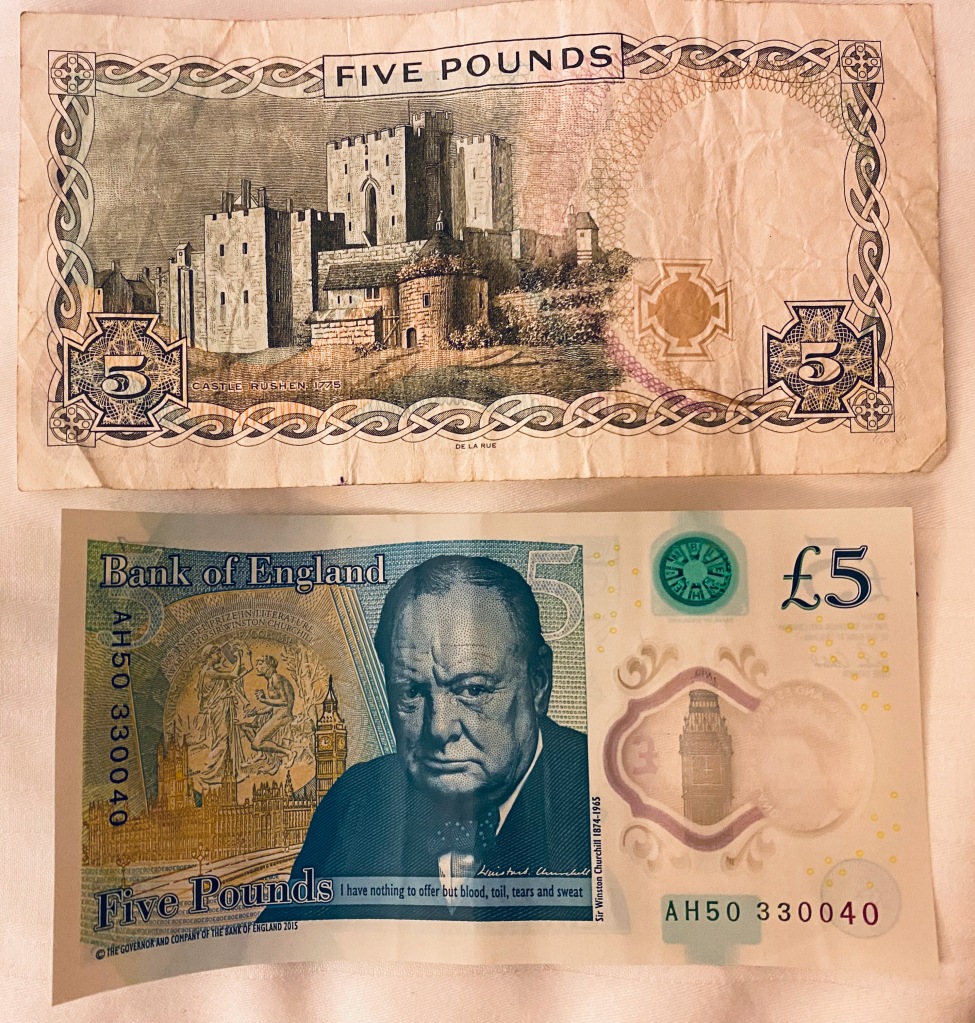
The island uses the British pound as its currency but it issues its own versions of coins and paper currency. A young man at a store told us that while British currency is accepted on the island, people back in Britain don’t always accept Manx currency. (That’s Castle Rushen on the back of the Manx five pound note.)
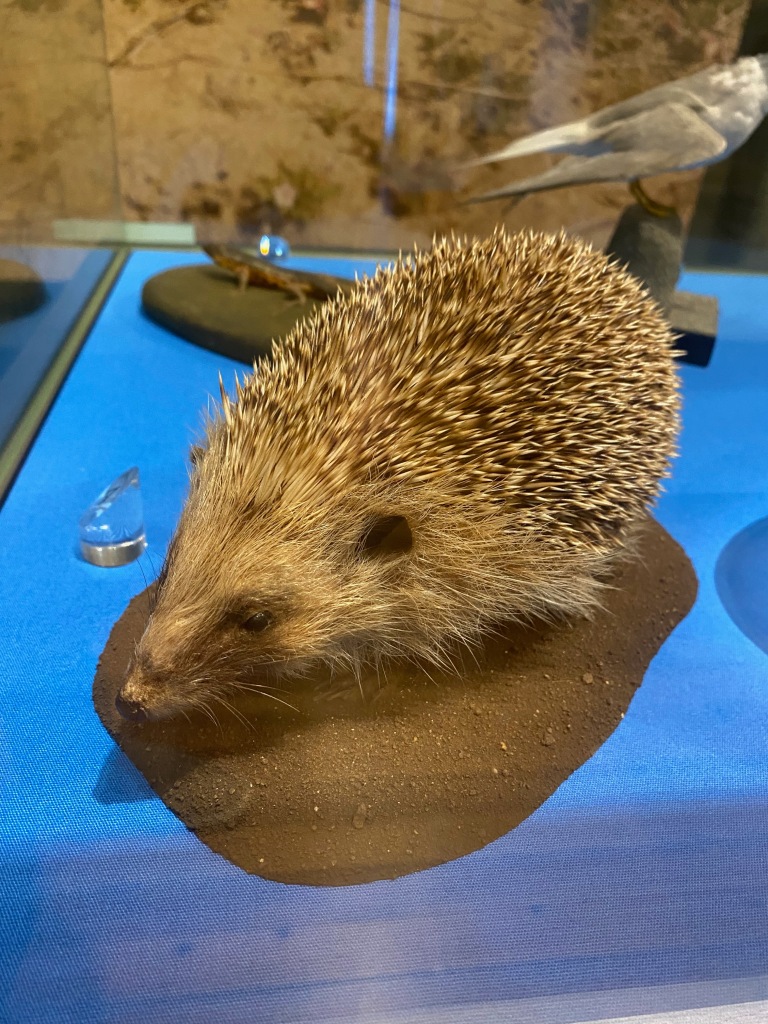
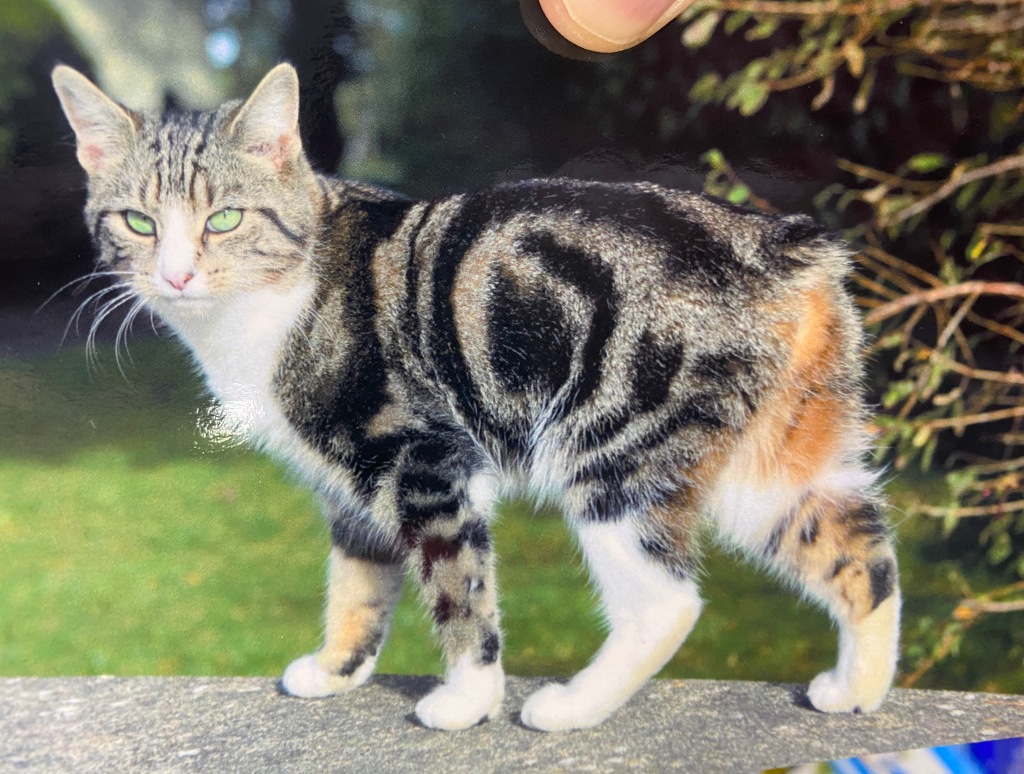
We didn’t see any Manx cats while we were there. We were told by a lady at the Manx Museum that they are around, but that they are a minority among cats.
“60 Minutes” ran a segment on the Isle of Man and its famous annual TT motorcycle race this past Sunday, Oct. 22, 2023. The first half provides background on the island and its history and the second half is about the race, which is one of the most dangerous in the world.
You can listen to lots of versions of the island’s unofficial anthem “Ellan Vallin” on Spotify, but the version by the Bee Gees is among the most moving. Below is the video with some engaging banter with the audience, along with the original poem.
Ellan Vallin
— Eliza Craven Green, 1854
When the summer day is over
And its busy cares have flown
I sit beneath the starlight
With a weary heart, alone
Then rises like a vision
Sparkling bright in nature’s glee,
My own dear Ellan Vannin
With its green hills by the sea.
Then I hear the wavelets murmur
As they kiss the fany shore,
Then beneath the emerald waters
Sings the mermaid as of yore.
And the fair Isle shines with beauty
As in youth it dawn’d on me.
My own dear Ellan Vannin
With its green hills by the sea.
Then memories sweet and tender
Come like music’s plaintive flow,
Of the hearts in Ellan Vannin
That low’d me long ago.
And I give, with tears and blessings
My fondest thoughts to thee,
My own dear Ellàn Vannin
With its green hills by the sea.



 Daniel Griswold's Blog